
68% of Spaniards believe that the procedures for acquiring nationality through the so-called grandchildren's law should be slowed down and reviewed, according to the GAD3 barometer for ABC published this Sunday. 21% are opposed to that measure.
The survey, conducted between October 6 and 8, reflects that support for the review is not limited to the right-wing electorate: it reaches 50% of PSOE voters and 43% of Sumar voters, according to the results published by the newspaper.
The poll addresses two different issues: the review of nationality procedures and the right to vote of those who obtained it through this means without ever having resided in Spain. The percentages should not be confused.
Half of the socialist electorate supports reviewing the files
Support for slowing down and reviewing nationalizations reaches 88% among PP voters and 87% among Vox voters. Among the socialist electorate, it stands at 50% and among Sumar voters, at 43%.
The comparison shows a partial agreement among electorates of different blocs regarding the review of the procedures. However, it does not allow us to conclude that everyone shares the same position on the voting rights of those affected.
It also does not mean that these people have changed their voting intention: the barometer captures their opinion on a specific measure, not an electoral transfer.
49% of PSOE voters reject the vote of those who never resided in Spain
In the question about electoral participation, 49% of socialist voters oppose a person nationalized through the grandchildren's law who has never lived in Spain being able to vote in general elections.
This rejection reaches 36% among Sumar voters, 91% among PP voters, and 96% among Vox voters, according to the information published by ABC.
The difference between both questions is relevant. Supporting an administrative review does not necessarily equate to defending an electoral restriction, as shown by the different response percentages.
What is being discussed in the Supreme Court before November 29
The demographic debate coincides with the judicial conflict over the vote of the beneficiaries of this nationality route.
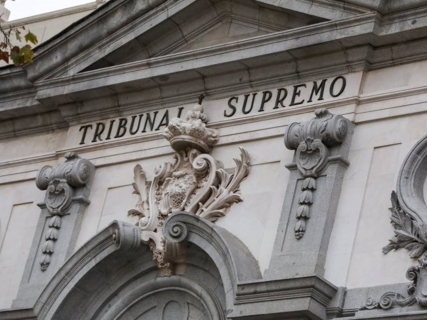
According to Europa Press on October 8, the Supreme Court provisionally suspended the vote and new registrations in the Electoral Census of Absent Residents -CERA- of those affected, except for proof of exile. The Government has requested that the suspension be revoked and argues that it is not materially possible to make the required differentiation before the elections on November 29.
An opinion poll does not modify the right to vote
The results of GAD3 describe the preferences of those surveyed, but do not determine who can participate in the elections. That issue depends on the legal framework, judicial resolutions, and their application to the census.
The political data from the survey is the support to review the procedures beyond the voters of the PP and Vox. The legal consequence, on the other hand, does not arise from the survey and remains linked to the procedure before the Supreme Court.