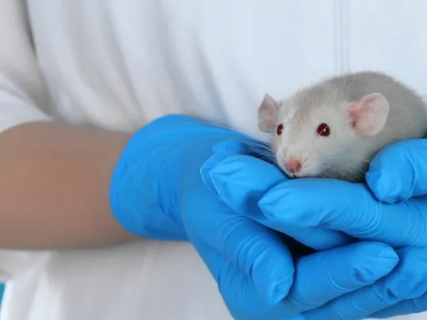

The European Medicines Agency (EMA, for its initials in English) has communicated the launch of a pilot program for voluntary data exchange aimed at promoting innovative methods that serve as an alternative to animal testing.
Specifically, the project seeks to facilitate the flow of information on the so-called new approach methodologies (NAM, for its initials in English). Thus, pharmaceutical companies will be able to submit this data and, at the same time, receive personalized feedback on it.
According to the EMA, these alternative methods "have the potential to provide information comparable to or even superior to that of current testing methods, while contributing to replacing or reducing the use of traditional animal studies in the preclinical development of medicines."
Boosting the regulatory acceptance of NAM
The European body has emphasized that this initiative is part of its work "to promote the regulatory acceptance of NAM, allowing regulatory bodies to gain experience with these approaches and assess their scientific value." These methodologies encompass, among other options, complex 'in vitro' systems such as organoids and microphysiological platforms, computational models, and combinations of various methods.
"Ultimately, this initiative seeks to strengthen the future use of scientifically robust alternatives to animal experimentation in regulatory decision-making," the EMA has pointed out, also emphasizing its purpose to "replace, reduce, and refine the use of animals in the development and regulation of medicines."
In this regard, the Agency reminds that, although NAM are increasingly applied in research and in the early stages of drug development, "data on their use is rarely shared with regulatory bodies." This lack of exchange "limits opportunities to build trust in their regulatory application," it has warned.
In this scenario, the new program aims to establish a structured and non-binding framework that allows stakeholders to voluntarily present and discuss NAM data, without the need for an ongoing marketing authorization request. In return, they will receive individual feedback —non-binding and without decision-making power— from a group of operational experts made up of non-clinical professionals from the European regulatory network of medicines.
With all this, the EMA aspires to "improve scientific dialogue, increase regulatory expertise with new study methods, promote harmonized assessment approaches across Europe, and support the development of a sustainable framework to integrate these innovative methods into the regulation of medicines".