
The Twenty-Seven had committed themselves to finding their own "economic miracle" during a summit scheduled for Saint Joseph's Day. A meeting intended to debate the bloc's economic strategy and try to regain leadership and competitiveness in those industrial sectors in which the European Union is starting to fall behind compared to the advances of other powers like China or the United States.
However, the plans have been partially curtailed by the escalation of tension in the Middle East, where everything indicates that the attacks between the United States, Israel, and Iran will be prolonged over time. A situation that has forced Europeans, once again, to react and prepare for the economic impact of a geopolitical scenario of which they are not directly a part, but whose consequences fully affect the continent.
The European Commission has already promised that its strategy of “One union, one market” will not be the only announcement of the day. It is expected that the Community Executive will also announce a series of measures —with special attention to the energy sector— to contain the possible impact of a prolonged crisis.
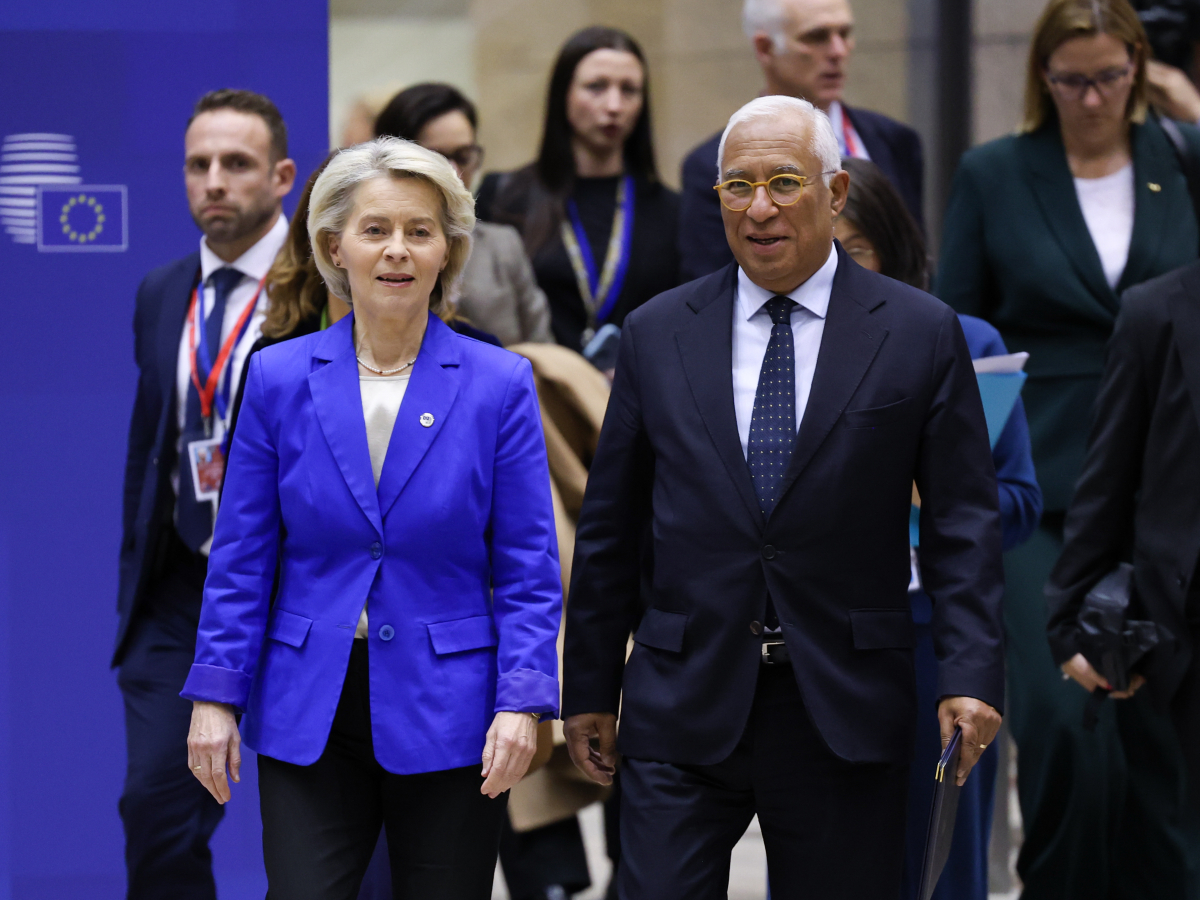
Despite the international crisis, the president of the European Council, Antonio Costa, does not give up on his idea of placing competitiveness at the center of the summit. After the informal retreat of leaders held at Alden Biesen castle, Costa entrusted his counterparts with preparing “concrete measures and ambitious deadlines” ahead of the meeting. Europe intends, precisely on the day Valencia sets fire to its Fallas, to move from burnt paper to action. “The general objective of this agenda is to strengthen European competitiveness, boost our strategic autonomy and consolidate the foundations of our social model,” Costa expressed in a letter sent to the heads of State and Government.
For the Portuguese leader, the crisis opened in Iran confirms the urgency of finding proposals that contribute to improving the affordability of citizens' daily lives and that make the European Union “more resilient to future crises”. Likewise, he considers it necessary to review ongoing efforts to increase community defense capabilities. In his opinion, the current context demonstrates the duty to “continue promoting the strengthening of European industry as a fundamental component of strategic autonomy”.
The European electricity system, the dilemma in the room
In any case, the big elephant in the room will be the situation of the European electricity system. In this context, the Spanish delegation that will travel to the summit plans to base its strategy on the defense of renewable energies and of the system of carbon credit trading as a guarantee against new energy dependencies from abroad.
It is no coincidence that the Government has called an extraordinary meeting of the Council of Ministers the day after the summit, in which a package of anti-crisis measures will be approved. Diplomatic sources avoid anticipating possible plans and prefer to wait for the Commission to articulate a consensual response at block level. “We must identify the necessary instruments to mobilize and guarantee a timely, coordinated and effective response that protects our citizens and businesses,” Costa conveyed.
The Community Executive, for its part, proposes avoiding the premature retirement of energy assets, such as existing nuclear facilities, while encouraging States to offer immediate relief in electricity prices for the most affected industries.
Strasbourg moves ahead
Before the meeting at the Schuman roundabout, MEPs, as usual, discussed the previous week in Strasbourg the priorities that leaders should follow. During the plenary, speeches focused on the position the European Union is taking in the war, as well as on the controversial words of the German leader Ursula von der Leyen, who assured that the continent should not remain as the sole guardian of an international order based on rules. As happens in every European Council, Demócrata took the pulse of the political debate in Luxembourg Square.
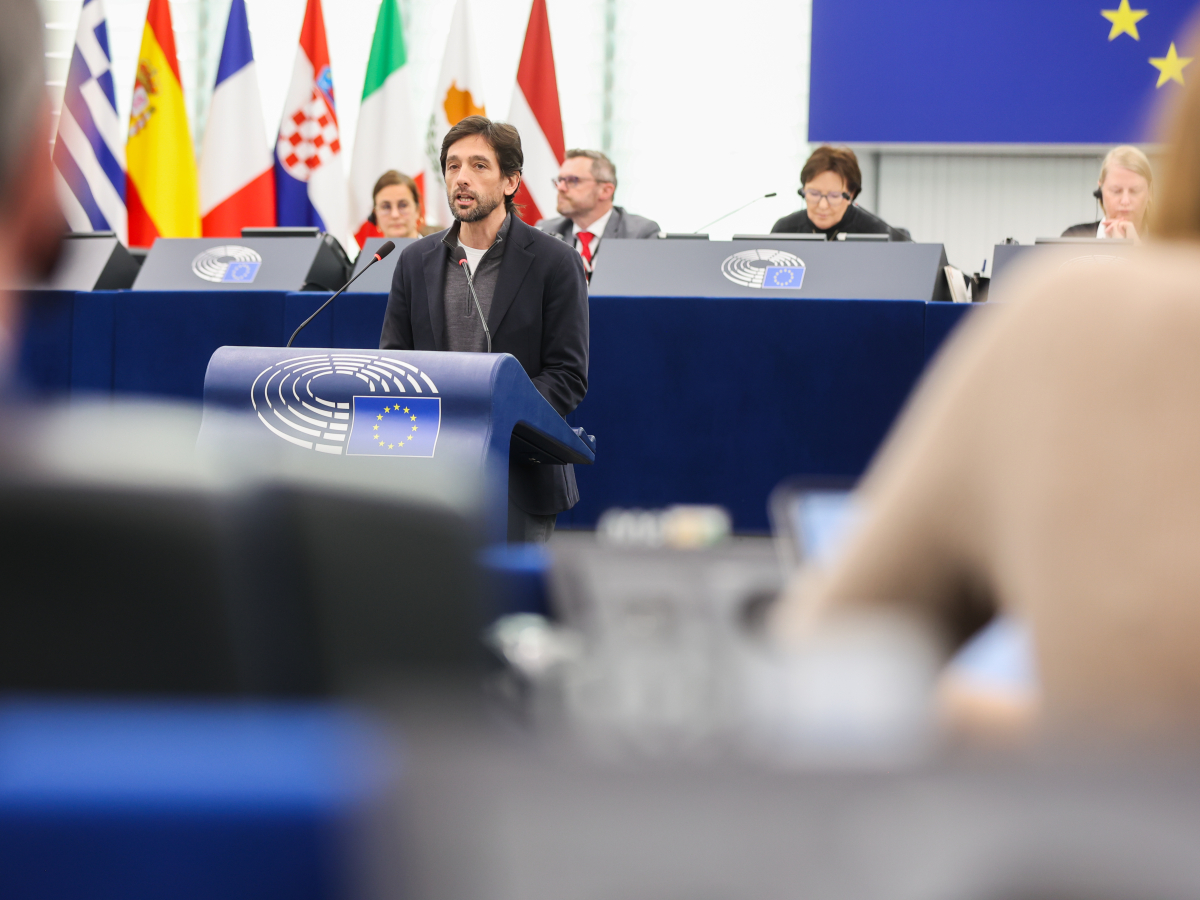
In the European People's Party they fear that the costs of the war with Iran will end up being paid by European citizens, especially through the price of energy. In statements to Demócrata, MEP Adrián Vázquez directly advocates for “approving reductions in the VAT on electricity, gas and petroleum derivatives while this situation lasts”. “Sitting idly by and denying reality only aggravates the problem,” he maintains.
In his opinion, if Europe does not guarantee stable energy prices, public services and the daily functioning of European companies will be compromised. Meanwhile, next Wednesday the Community Executive will give the green light to a harmonized regime for European companies, known as Regime 28. In the majority group of the European Parliament they celebrate the measure as an opportunity that could mean “a revolution for the single market”.
Vázquez points out that access to capital continues to be the great Achilles' heel of European startups, which is why he believes that the new framework should translate into a reduction of bureaucratic obstacles without this entailing a deterioration of labor standards. "The acid test of Regime 28 will be that companies rush to use it," he argues.
In a context of geopolitical uncertainty, the Popular Party also looks favorably on advancing solutions such as the digital euro, which would guarantee greater security in the payments of European citizens. “The ultimate goal of the digital euro is to ensure a European Union immune and resilient to all types of crises: from power outages or infrastructure failures to the vulnerabilities of depending on companies based in third countries to sustain our payment systems,” explains the MEP.
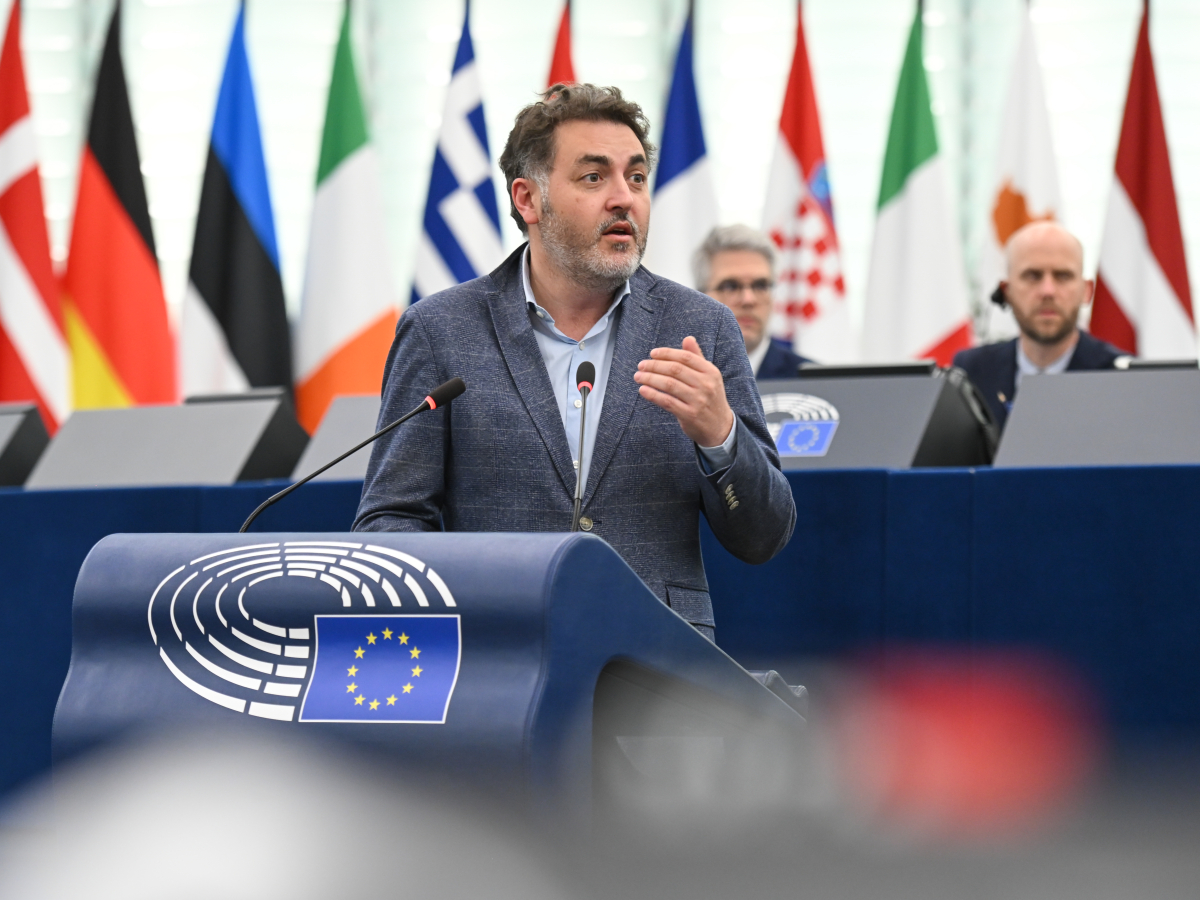
Within the socialist group, they hope that the summit will serve as a political accelerator for the legislative file of the digital euro, at a time when, they believe, the process is already very advanced. MEP Jonás Fernández believes that European leaders “must show the peremptory need to close the legal framework as soon as possible”.
Fernández also agrees with Vázquez on the diagnosis of Regime 28, pointing to it as a way to consolidate the single market beyond regulatory harmonizations, which are often slow and difficult in strategic sectors. “I trust that the European Council will support the Commission's work to present a legislative proposal in the coming weeks and that this proposal will be a regulation and not a directive,” he concludes.
For MEP Nicolás González Casares, the recent escalation in the Middle East once again demonstrates that the European Union remains vulnerable due to its dependence on imported fossil fuels.
His recipe for reducing pressure on prices involves curbing the international military escalation and preventing Russia from benefiting from the rise in oil and gas prices. Within the European framework, Casares believes there is immediate room for action. “The Clean Industrial State Aid Framework allows States to grant aid to reduce wholesale prices, and the recent reform of the electricity market introduced tools to protect consumers and decouple electricity and gas prices,” he explains.
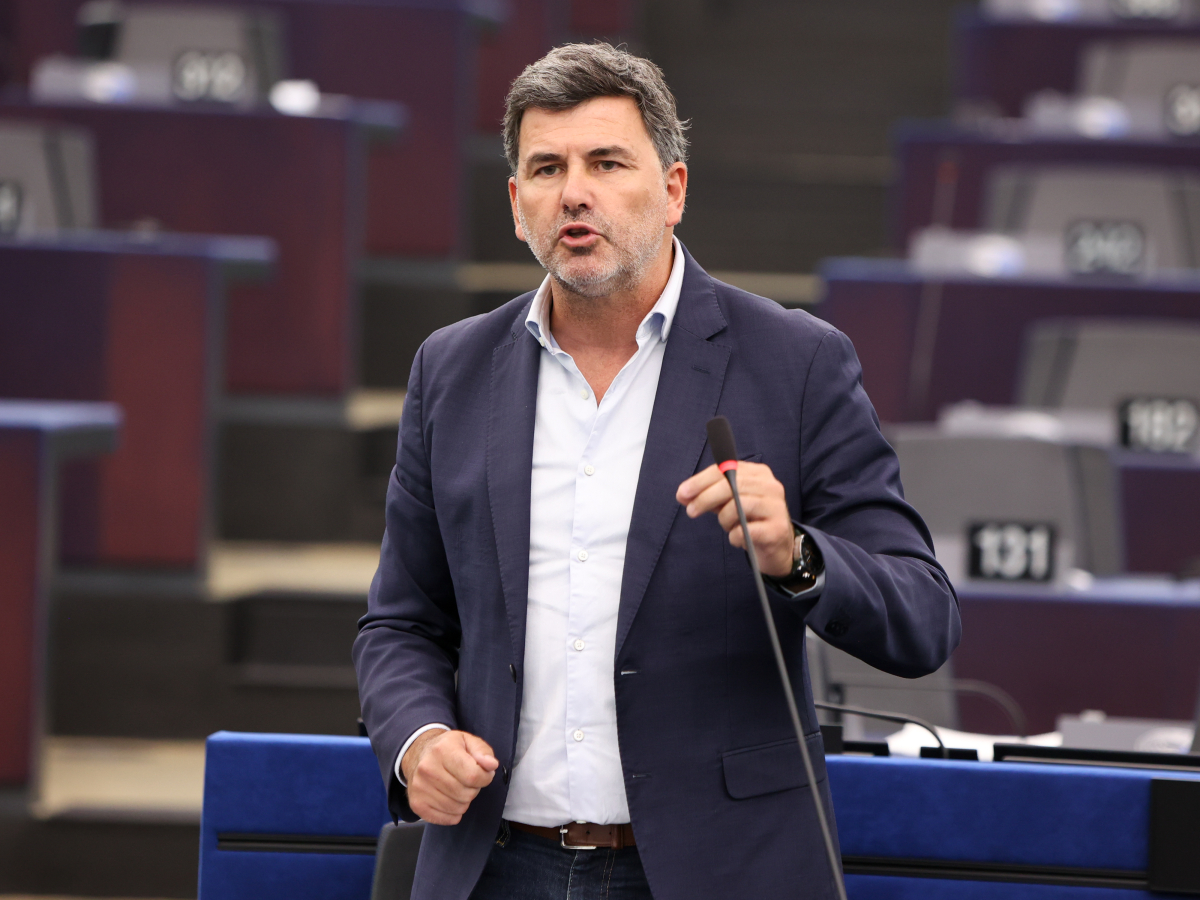
In this context, the socialist warns that “dismantling the Green Pact or weakening tools like the carbon market would be a historic mistake”, in reference to some proposals put forward by the Italian Government. Instead, he advocates for maintaining a predictable decarbonization framework, which would be based on an energy strategy post-2030 aligned with the goal of climate neutrality in 2050.
To the left of the PSOE, the group of the European Greens insists that energy must be treated as “a good of public interest”. “We need the Council to send a firm message to the Commission to promote its citizen energy package”, defends MEP Vicent Marzà. The Greens support proposals such as protection against energy poverty or the prohibition of supply cuts, and demand that these initiatives be materialized in legislative acts based on the political mandate arising from the European Council.
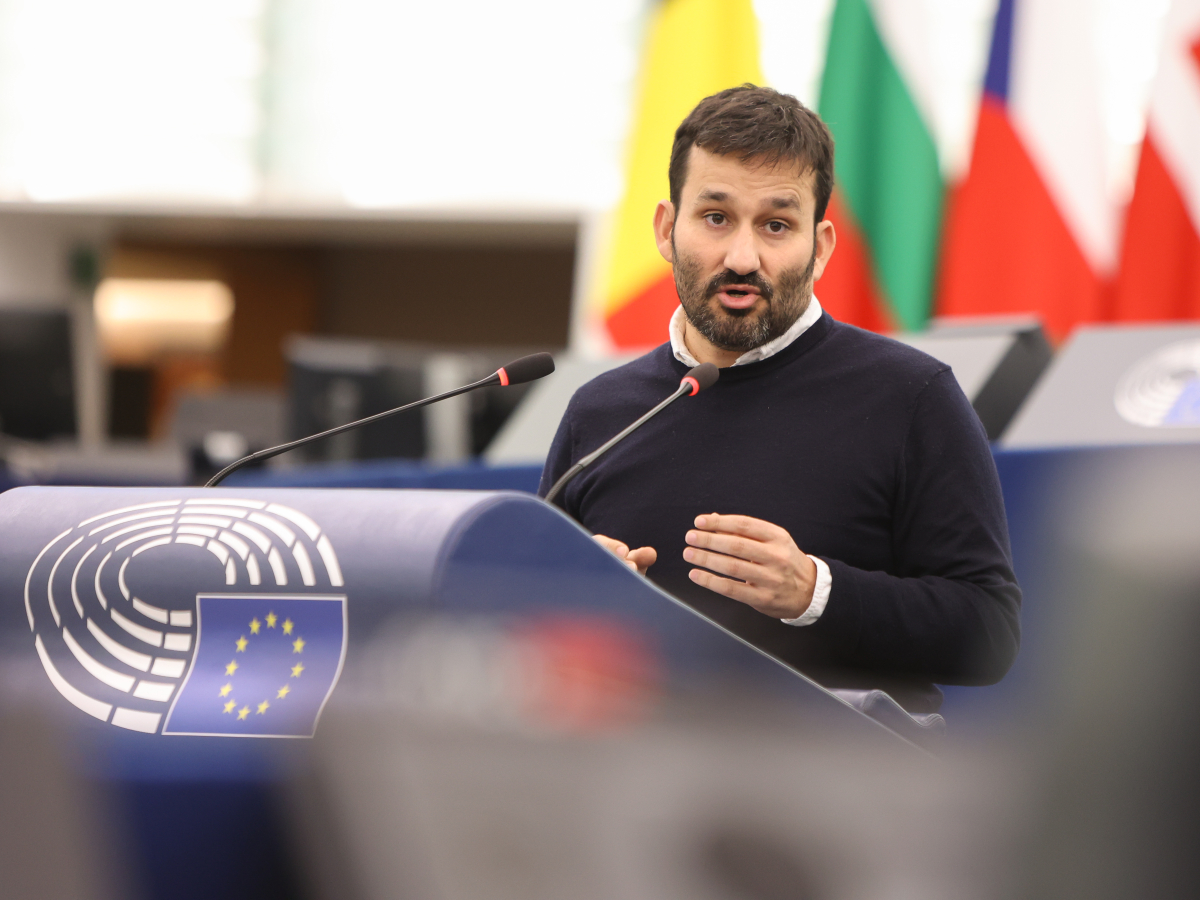
Marzà also supports the digital euro as a public project that guarantees monetary autonomy under the leadership of the European Central Bank. “European leaders must launch a mandate that guarantees privacy in a similar way to cash and that prevents the financial exclusion of groups with less access to digital means,” he maintains.
Regarding Regime 28, environmentalists believe that it should facilitate the development of the internal market without triggering a race to the bottom in labor or social rights.
Night of bonfires
“Although energy is clearly the most urgent test, we must redouble our efforts to advance the European competitiveness agenda,” wrote Ursula von der Leyen in a letter prior to the meeting. In the document, she pointed out that the Community Executive is carrying out the first comprehensive review of the European Union Merger Guidelines in more than twenty years.
The volume of topics on the table portends a long St. Joseph's night in Brussels. In fact, in the corridors of the European Council, there is already talk of the possibility that the summit will extend for two days. “Despite the many important topics, my goal is for our meeting to last only one day, if our conversations allow it,” says Costa with the characteristic optimism of the European capital.