
“We are preparing different options. The possibility of subsidizing or limiting the price of gas”, acknowledged this Tuesday the leader of the community Executive, Ursula von der Leyen, when analyzing the measures that Brussels is studying to avoid an energy shock due to the war in the Middle East. Far from complacency, in the community capital they are aware that, despite being much more prepared than years ago, the continent is not immune to fluctuations in prices.
Ten days after the conflict began in the Middle East, the cost of gas has increased by 50% and that of oil by 37%. The Commission denounces that as long as the continent continues to import fossil fuels from unstable regions “we will be vulnerable and dependent.” For this reason, Von der Leyen has issued a warning to those who, with the current crisis, advocate for looking back to the Kremlin's fossil fuels: “This would be a strategic mistake,” she explains, as it would make the Union even weaker.
The four components of the energy bill
When analyzing how to intervene in citizens' energy bills, Brussels asks to take into account four components to achieve a complete picture of the current situation. The cost of energy, which represents more than half of the bill; the network tariffs, 18%; the taxes, 15%; and the cost of carbon, which would be close to 10%. In any case, these are averages that “vary according to the energy mix of each Member State”.
Europe already redesigned its energy market in 2024, betting on the marginalist model, in which the price of electricity is set by the last plant needed to cover demand at all times. In this way, under a kind of “auction,” plants offer their electricity from the cheapest to the most expensive and are activated until all demand is covered. The last one to enter, which is normally a gas-fired plant, sets the price that all the others charge, despite producing cheaper. Why? What is intended is to guarantee that there is always enough supply and to give investment signals.
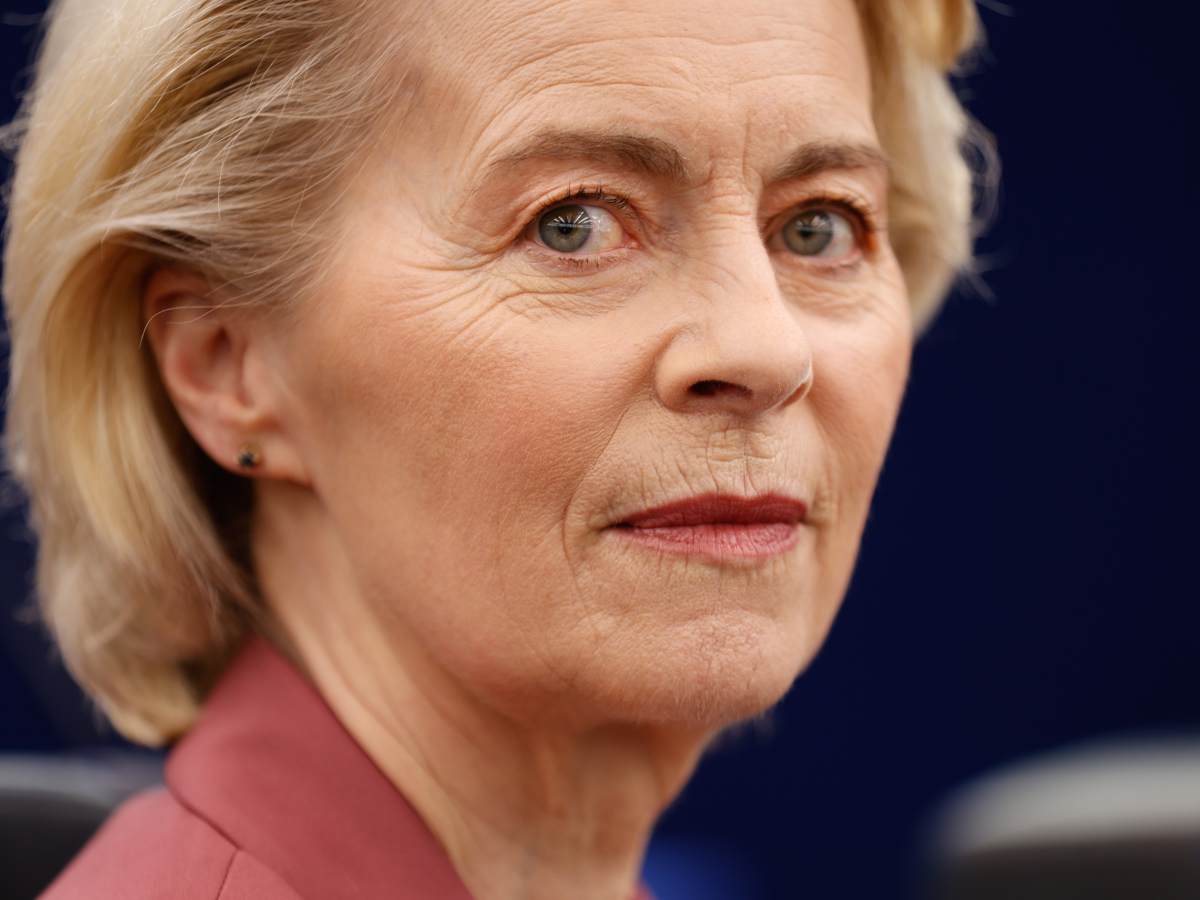
For the top leader, this system “has yielded results” and would have confirmed that there is a “widespread support for the current system”. However, as recognized by those most critical of the model, Von der Leyen believes it is necessary to reduce the impact on costs when gas sets the price of electricity. After the informal retreat of European leaders in February, Von der Leyen acknowledged having held an “intense debate” on the reform of the market design. She even hinted that at the meeting of the European Council next week she would present “different conclusions on whether it is time to advance in market design or if we are still fine with this design”. Something that for the moment she seems to have put aside, focusing her efforts on controlling the final price.
Subsidies or caps on gas
In this way, what the German would be proposing is the possibility that these subsidies or gas caps be applied to mitigate the effect that the rise in gas ends up generating in other types of energy. “It is crucial that we reduce the impact,” she stated. How? Europe also has in its portfolio the possibility of deploying measures of state aid or a better use of long-term contracts.
Distant winds are heard. It is not the first time that the continent begins to discuss this solution. At the beginning of the Russian invasion of Ukraine, the twenty-seven set a limit at 180 euros per megawatt hour for the European gas benchmark index. This was never employed due to the harsh conditions associated with the intervention.
Athens takes the lead
Greece has already made its move. Its prime minister, Kyriakos Mitsotakis, has announced that his country will set a three-month cap on profit margins for fuels and supermarket products.
However, Brussels feels more comfortable on the fiscal front than with more interventionist proposals. Despite being a national competence, Ursula von der Leyen did want to delve deeper in her first intervention before the European Parliament after the start of the conflict into the proposal by some States to apply 0% taxes on retail electricity, compared to those that apply more than 16%. The European Commission has shown itself favorable to lowering the tax burden on numerous occasions as a means to reduce costs.
The favorite option of Brussels
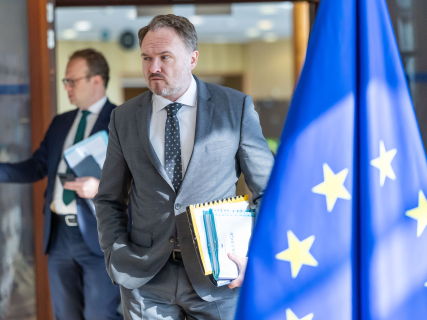
During a press conference this same week, the community Energy chief, Dan Jorgensen, opened the door for those Member States that have “the possibility of lowering energy taxes” to do so, “especially on electricity”, he pointed out. This, according to his estimates, could reduce on average about 200 euros per year the energy bill.
“The general cost of living crisis is determined in part by high energy prices, so we need to act,” affirmed the Dane, although he did not rush to unveil new measures because of the war in Iran. In the Berlaymont building, they insist that, should the situation worsen, measures would indeed be deployed which, in any case, would be temporary and specific. “We are not talking about a change in the price-setting structure,” he slipped in.
In the plan for affordable energy, presented by the Executive in October 2025, the possibility of this type of tax reduction was already being considered. The document included seven specific actions to support electro-intensive industries, as well as greater use of cohesion funds. “It is our responsibility to offer concrete solutions quickly,” they explained in the European institutions.
Even so, they ask not to abandon calm nor lose sight of budgetary stability. The Commissioner for Economy, Valdis Dombrovskis, expressed that those governments that opt for this path as a solution to the price escalation should take into account not to compromise “fiscal sustainability”. Along these lines, just like Jorgensen, he was more predisposed to selective and time-limited responses.
The precedent of the Iberian exception
The socialist MEP Nicolás González Casares, who was rapporteur for the reform of the electricity market, observes similarities with what happened “when the War in Ukraine led us to never-before-seen prices”. He states that even what Von der Leyen proposes resembles the “Iberian exception”, which enabled the Spanish Government greater control over the prices paid by consumers.
Warns that a generic gas cap can increase consumption and European dependence. Instead, according to their criteria, the true European option should be to bet on renewable energies. “Under the current rules of the electricity market there is the possibility of declaration of a price crisis, but the thresholds set are so high and the time it can take to declare it so slow that they should shame the very European Commission”, he laments.
Political pressure in Spain
On a national level, Sumar is pushing for the Government to approve an economic package that includes this gas cap. In 2022, Spain was able to limit the price of gas with the aim of lowering the electricity bill. This system initially set a cap of 40 €/MWh on gas, which then progressively increased to an average of 48.8 €/MWh.
Spain and Portugal managed to apply it by arguing that the peninsula is almost an “energy island” due to its low interconnection with the rest of Europe. This caused the price of gas to end up distorting the cost of electricity. The Executive estimated that it reduced the electricity bill by around 15%.

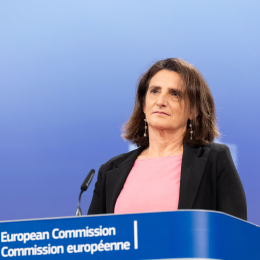
In any case, in the Ministry for Ecological Transition, led by Sara Aagesen, Secretary of State when this exception was approved, they do not want to anticipate scenarios and await the decisions to be made during the European Council. “Acting united is the most efficient response,” affirmed the minister.