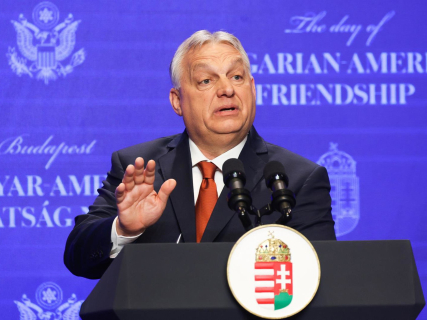

Election night in Hungary has taken a definitive turn. Viktor Orbán has congratulated Péter Magyar by phone for his victory, according to what the leader of Tisza himself communicated in a post disseminated on social media, a move that in practice amounts to assuming defeat after 16 years of uninterrupted power by the ultranationalist leader.
Magyar's message arrives in full advance of the scrutiny, with an already very wide advantage of Tisza over Fidesz. The provisional results published during the night pointed to a victory for the opposition party and a collapse of Orbán's force, in elections followed with enormous attention throughout Europe due to their possible impact on Hungary's relationship with the EU, Russia, and Ukraine.
The political dimension of the gesture is enormous. Orbán not only faced his most difficult election in 16 years, but he did so against a rival who emerged from his own political space, turned into a banner of institutional wear and tear, corruption, and social fatigue accumulated after four consecutive terms. Turnout, moreover, reached record levels, a clear sign of mobilization and a change of cycle.
Péter Magyar had arrived on election night with real chances of overwhelming Fidesz, but Orbán's acknowledgment adds a much more forceful element to the narrative: the prime minister would no longer be expecting a final turnaround of the count. If Tisza's victory is definitively confirmed, Hungary will open an unprecedented stage since 2010 and will close one of the longest and most controversial political cycles in recent Europe.