
The total lack of certainty about the situation in Iran -with a fragile truce, the back and forth regarding the opening of the Strait of Hormuz and a constant exchange of accusations between regional actors- is bringing back volatility and fear to the markets. And that fear, at this stage, is having a particularly striking effect: it is so intense that even gold is being sold again. Yes, even gold, the safe-haven asset par excellence, is being liquidated at certain times.
This diagnosis -to which Demócrata has had access- coincides with the analysis of Charlotte Peuron, thematic equity manager at Crédit Mutuel Asset Management, who describes a “large-scale commotion” in the markets after the latest episode of tension in the Middle East. In particular, it points to the impact of Iran's attack against gas facilities in Qatar, an event that triggered massive sales of risk assets and also dragged down gold, in a context in which investors are immediately seeking liquidity.
Gold is also sold when panic dominates
The result -explains this manager- is a counterintuitive dynamic: fear rises, but gold falls. And gold miners amplify it even more, because they suffer both the fall of the metal and the adjustment of their own prices after an exceptional year. The sector has accumulated very significant increases —around 65% in gold and close to 165% in the mining index so far this year—, which has favored profit-taking.
The recent trigger has been the resurgence of the conflict in the Middle East, with attacks on energy infrastructure in Qatar that have intensified the perception of global risk. In this context, oil has also rebounded strongly, adding pressure on economies and reinforcing the feeling of instability.
In the short term, gold is also affected by financial factors. According to the same manager, the cooling of interest rate cut expectations in the United States, the strength of the dollar, and capital outflows in vehicles such as gold-backed ETFs are pressuring the price. Added to this is profit-taking after the recent strong rises.
But beyond the short term, the underlying diagnosis is different. The physical demand for gold tends to weaken when prices rise sharply, but usually recovers if there are corrections. And, above all, the structural factors remain valid: the diversification of global reserves away from the dollar and a persistently unstable geopolitical environment.
In the case of miners -adds this French manager-, a key variable also appears: costs. The rise in energy directly affects production, although unevenly depending on the country and the structure of each mine. In the management estimates for 2026, the cost of production is between 1,700 and 1,800 dollars per ounce, compared to 1,540 dollars per ounce in 2025.
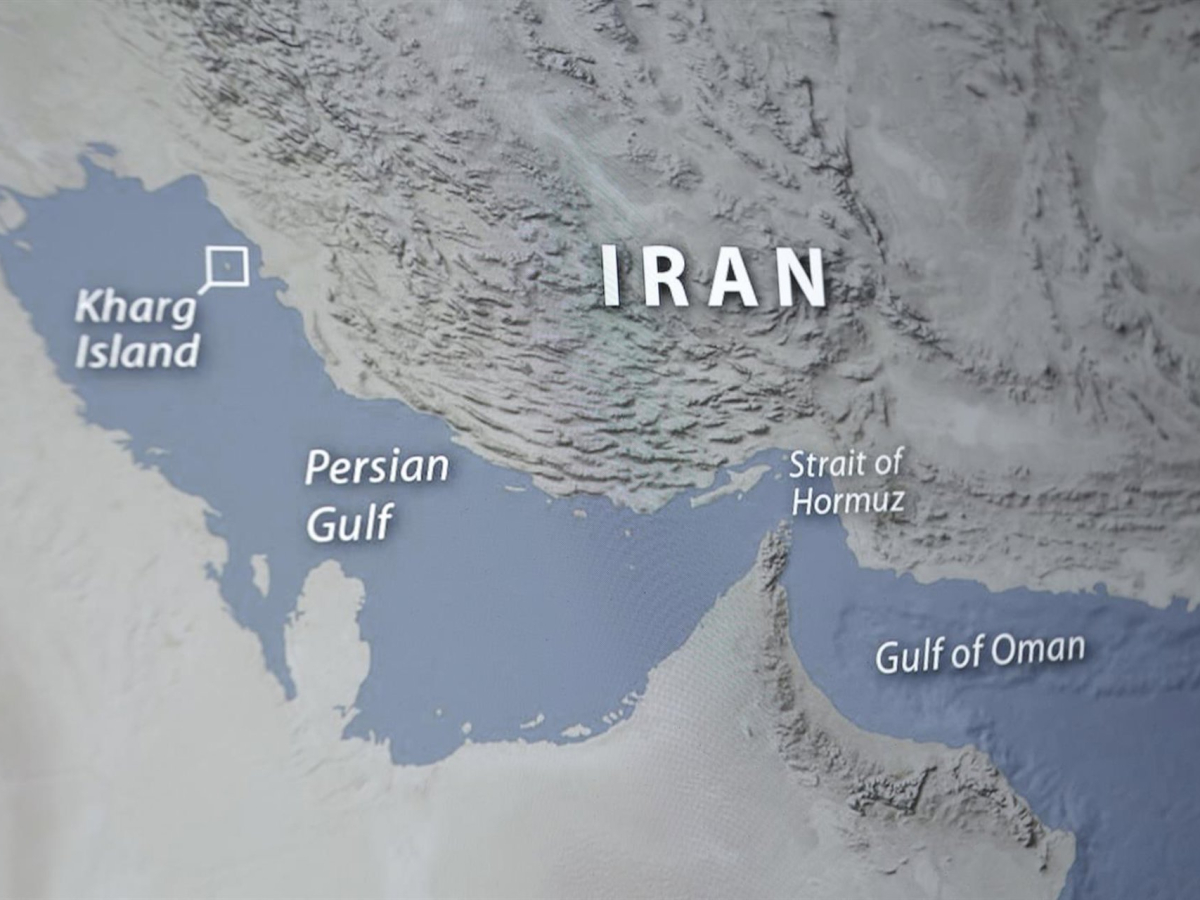
Despite the current volatility, the medium and long-term outlook remains constructive. In Peuron's words, gold continues to be supported by solid fundamentals, and mining companies could maintain their cash generation capacity if a sustained price environment is confirmed. In this scenario, the Strait of Hormuz continues to act as one of the critical points that condition the pulse of the global market.
Risk during the next two weeks
In this context, the analysts of Aberdeen Investments, through Michael Langham, interpret the geopolitical situation surrounding the ceasefire as a fragile and still conditioned advance. Although they consider that the conflict could be heading towards a de-escalation due to the high global economic cost, they warn that the positions of the United States, Israel, and Iran remain very far apart, which hinders the viability of a lasting agreement.
The report underlines that the sustainability of any ceasefire is limited, especially due to the lack of consensus on the conditions proposed by Iran and doubts surrounding the verification of the nuclear program. In this context, extreme risks remain elevated in the short term, which keeps oil under upward pressure due to the geopolitical risk premium and uncertainty over the Strait of Hormuz.
In a scenario of temporary stabilization, experts point out that the global macroeconomic impact would be manageable. An eventual normalization of energy prices would allow central banks to resume their previous monetary policy paths, while markets could experience relief rallies, even in an environment still marked by structural uncertainties.
Looking at the medium and long term, Aberdeen anticipates a structural readjustment of global markets, with greater spending on defense and energy security, especially in regions dependent on supply routes such as the Middle East and Asia. In parallel, Ray Sharma-Ong highlights that markets can react with strong increases to the simple reduction of extreme risk, with special potential in Asia, while oil would tend to stabilize at levels higher than those prior to the conflict due to logistical frictions and persistent risk premiums.