
Only hours before a self-imposed deadline that threatened to plunge the Middle East into a "war of civilizations," President Donald J. Trump announced a fragile, 14-day ceasefire with Iran, a move that has sent global energy markets into a tailspin. By Wednesday morning, West Texas Intermediate (WTI) crude had plummeted more than $18 a barrel, settling near $94 as the specter of a total blockade of the Strait of Hormuz vanished. For a White House besieged by sagging approval ratings and the inflationary weight of a month-long conflict, the timing of this diplomatic pivot is being viewed by G.O.P. strategists as nothing short of a political lifeline.
The impact of the truce was felt almost immediately at the corner of Main Street and the American psyche. In states like Florida and Texas, where the national average for regular gasoline had ticked past the $4.14 mark just yesterday, station owners began the labor of lowering their LED price boards. Analysts suggest that if the ceasefire holds and the upcoming peace talks in Islamabad show progress, the average American household could see a reprieve of up to 50 cents per gallon by the end of the month, a crucial development for a Republican party defending 20 Senate seats in the upcoming November Midterms.
A Referendum on Energy
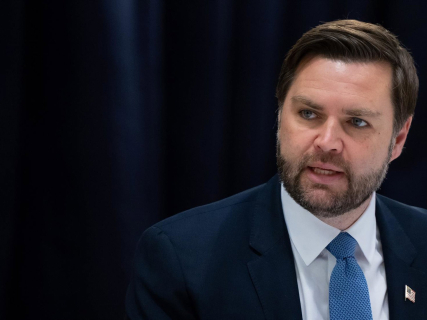
Vice President J. D. Vance, speaking from Budapest on Wednesday morning, framed the moment as a mission accomplished. He asserted that the United States has "largely achieved its military objectives" and that the onus now falls on Tehran to prove it can be a "good faith" partner during the 14-day cooling-off period.
Democrats, however, remain skeptical of the "miracle" narrative. Critics in the Capitol argue that the administration’s brinkmanship is what drove prices to historic highs in the first place, and that a two-week truce is a "band-aid on a bullet wound." Yet, for the Independent voter in Pennsylvania or the suburban family in Georgia, the macro-geopolitics of the Middle East matter far less than the micro-economics of the gas pump. If the current market rout continues, the G.O.P. may head into the summer conventions not as a party of war, but as the party of the "Golden Age of Energy" that Mr. Trump is already touting on social media.