

There was a moment -not so long ago- when talking about "democratic crisis" in the West was almost in bad taste. That happened in other places. In countries with weak institutions, complicated history or leaders with too much fondness for balconies. Not here. Here we had checks and balances, free press and that almost religious faith that, come what may, the system holds up.
The problem is no longer external
Well then: the system not only doesn't always hold up, but it is starting to show quite clear signs of fatigue. And it's not said by a pundit on a bad day. The 2026 report from the V-Dem Institute says it, one of the most complete databases on democratic quality, built from hundreds of indicators and thousands of experts. Its main conclusion is not especially reassuring: “The third wave of autocratization continues and deepens.”
It is worth pausing for a second on the word, because here the misunderstanding begins. We are not talking about coups d'état or classic dictatorships. “Autocratization” describes something much more uncomfortable: the progressive deterioration of a democracy without ceasing to be formally a democracy. There are elections. Institutions too. But they work worse and worse.
And the most uncomfortable thing is not that. It's that we are no longer talking about a distant phenomenon. We are talking about the United States, the European Union and, to a lesser extent -but without moral exceptions-, Spain.
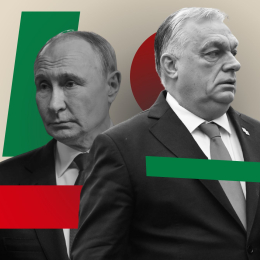
United States: discussed, but real, deterioration
The United States has spent years being the standard against which everything was measured. It wasn't perfect, but it was the benchmark. Today it is something else. The report points to a clear deterioration in key indicators: electoral confidence, institutional independence, polarization.
Now then, it is advisable not to exaggerate -or at least not to simplify-. The United States is not an autocracy, nor does it seem to be at the doors of becoming one. Many analysts underline, with reason, the robustness of its institutions: courts, federated states, real counterweights. And they also point out that part of the recent political style is more linked to concrete leaderships and neoconservative ideologies imbued with fundamentalist religious sociocultural ideology than to an irreversible structural change.
And, yet, the pattern exists. Questioning of electoral processes, pressure on institutions, increasingly instrumental use of rules. None of this breaks the system. But it strains and corrupts it. And it does so, moreover, with an unusual speed in consolidated democracies. The problem is not that the United States has ceased to be a democracy. It is that it is contributing to normalize a much more fragile version of democracy.
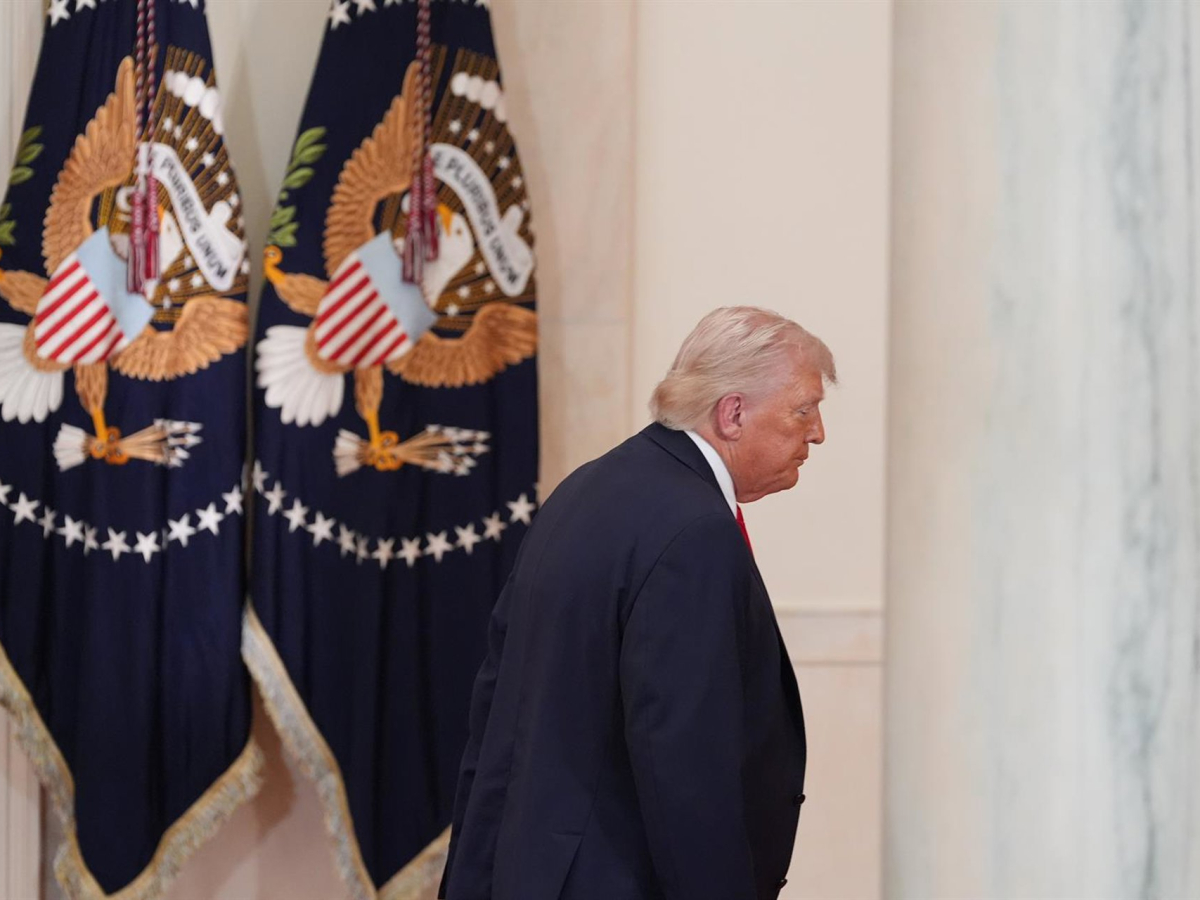
Europe: the deterioration that makes no noise
Europe has been observing these processes for years with a mixture of concern and condescension. As if the problem were serious, yes, but essentially external.
It is not so much. In Eastern Europe, the deterioration is visible: Hungary, Czechoslovakia or Poland have protagonized open conflicts over judicial independence, media or institutional balance. For years it was treated as anomalies. Each time it costs more to sustain that idea.
“Autocratization” describes something considerably more uncomfortable: the progressive deterioration of a democracy without ceasing to be formally a democracy”
In Western Europe the process is different. There are no ruptures, there is wear and tear. Growing polarization, political fragmentation, deterioration of public debate, institutional distrust. Nothing that generates immediate headlines. But enough to go eroding the functioning of the system.
There is also another reading -less cited, but relevant-: that the problem is not so much an excess of political power as its displacement. Increasingly important decisions are made in spaces less directly subject to electoral control: courts, international organizations, major economic actors. It is not necessarily authoritarianism. But it does raise uncomfortable questions about who really decides.
Europe, in any case, remains installed in an optimistic idea: that its institutional architecture protects it from almost everything. Recent experience suggests that not so much.
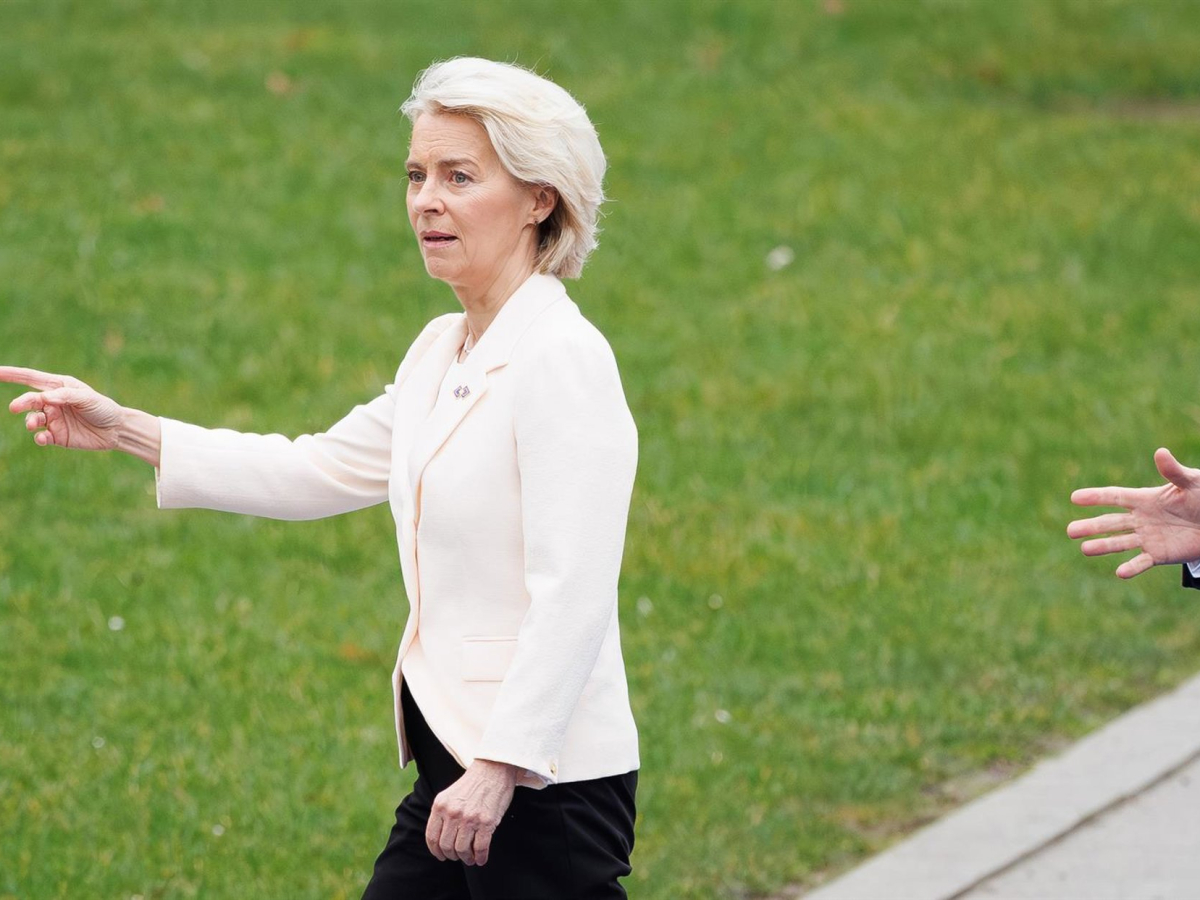
Spain: normality… with constant friction
Spain occupies an uncomfortable position. It is not in democratic crisis. It is not in severe autocratization. It remains a functional democracy, with clean elections and guaranteed rights.
But it is not completely outside the trend either. The data points to something less dramatic, but more persistent: mild and sustained erosion.
If there is one factor that appears recurrently in comparative analyses, it is polarization. And Spain, in that, is not precisely behind. Politics has become a zero-sum game where the adversary is not legitimate, agreement is suspicious, and conflict is profitable.
We have just learned the results of The Economist's new democratic quality index. Spain further improves its score compared to the previous year and consolidates itself as one of the most full democracies in the world.
— Pedro Sánchez (@sanchezcastejon) April 8, 2026
The same that has happened in the updates of the…
This does not automatically lead to an autocracy -it should be said-. But it does generate an environment in which institutional deterioration becomes more probable and, above all, more tolerable.
To this are added prolonged blockades, disputes over institutional control and a growing perception of politicization. None of this breaks the system. But it wears it down. And democracy, like any complex structure, rarely collapses suddenly. The media and digital ecosystem does the rest: overexposure to conflict, disinformation and constant incentives for confrontation. It is not a minor problem. It is structural.
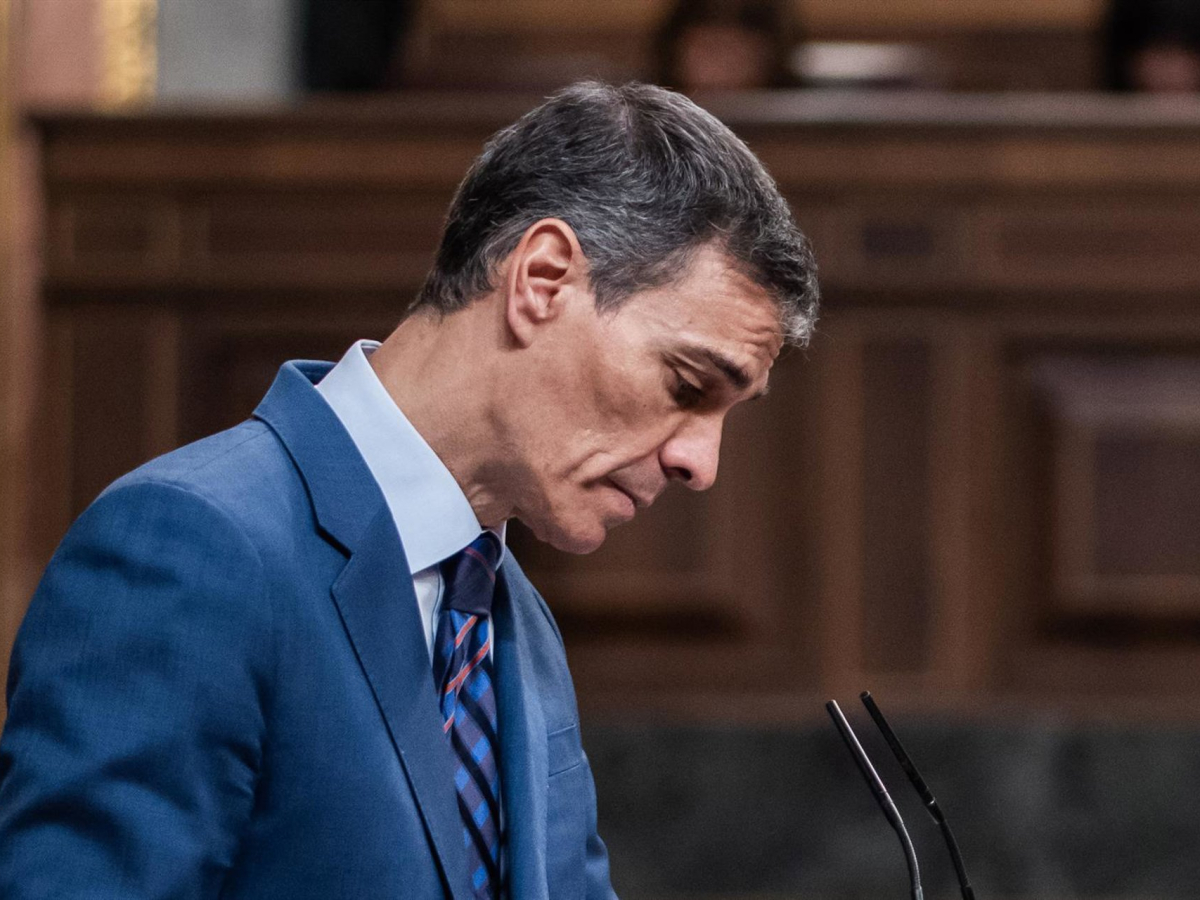
The real risk: getting used to it
If one brings together the United States, Europe, and Spain, a quite consistent pattern appears. Growing polarization, institutional tensions, deterioration of public debate, and an increasingly instrumental use of the rules. And all of this without formally abandoning democracy.
That is the true change of era. Before, democracies fell. Now they are emptied. There is no foundational moment. There is no clearly identifiable point of no return. There is, simply, accumulation.
Now then, nor is it advisable to fall into determinism. Distrust, polarization or institutional malfunction do not necessarily lead to the disappearance of democracy. They can, simply, make it function worse. Which is already quite a problem.
Beyond the symptoms, there is an underlying cause that appears again and again: the disconnection between the system and the citizenry. Not always in the form of explicit corruption, but in something more diffuse: unequal influence, perception of injustice, and the feeling that the rules are not the same for everyone.
When that happens, something important happens: democracy stops being perceived as useful. And when it stops being useful, it stops being defended.
The detail no one wants to say out loud
There is, however, an even more uncomfortable element in all this: a good part of this deterioration is not accidental, it is functional.
Polarization mobilizes, conflict generates attention and permanent tension simplifies politics to make it electorally profitable. In other words, the system is not only wearing out; in some cases, it is being used exactly like that because it works better for those who compete within it.
“Reducing polarization is difficult, but not impossible if the incentives that make it profitable are modified”
It's not that incentives fail. It's that they are perfectly aligned with this result. And as long as that logic doesn't change, asking for moderation or democratic quality is almost an exercise in nostalgia.
Nothing is broken… yet
The temptation, at this point, is cynicism. But not all is lost. Far from it.
Strengthening institutions is not a slogan, it is design: real independence, effective limits, and controls that work even when they are uncomfortable. Reducing polarization is difficult, but not impossible if the incentives that make it profitable are modified. Protecting the information space is essential in an environment where disinformation is no longer an anomaly, but part of the system.
And, above all, the most complicated thing remains: to reconnect democracy with the citizenry. Because if people perceive that the system works, they will defend it. If not, they will look for something else. And history suggests that this “something else” does not always improve the outcome but rather worsens it.
The West is not on the verge of an immediate democratic breakdown. But it is also not where it thinks it is. The United States has shown that deterioration can be rapid. Europe, that it can be silent. Spain, that it can be constant.
The greatest risk is not open autocratization. It is something much more subtle: getting used to a lower-quality democracy and starting to consider it sufficient. Because at that moment, when the bar lowers without anyone protesting too much, the problem stops being political and becomes cultural.
Western democracy is not falling, but rather dangerously adapting to increasingly lower standards. And the most disturbing thing is that it is starting to seem normal to us.