The war between the United States and Iran is not fought solely on military ground or in offices. In parallel, both countries have consolidated a third, increasingly decisive front: that of digital diplomacy, where every message, publication or video can influence the global perception of the conflict in real time.
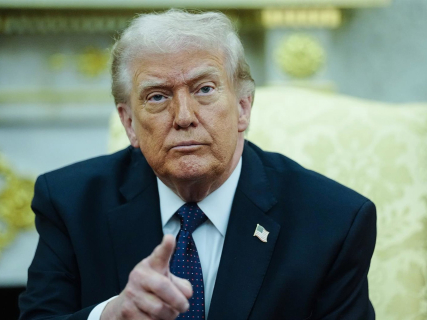
From the ultimatums launched by Donald Trump to the recent meme offensive by Iranian embassies, social media —especially X— has become a strategic space where the narrative of the war is disputed.
Digital diplomacy as a tool of power
Digital diplomacy consists of the use of online platforms by governments and state actors to communicate, influence, and position themselves internationally without intermediaries and is already an operational standard in contemporary foreign policy.
In the case of the conflict between the USA and Iran this tool fulfills several key functions:
- Direct dissemination of official messages without going through traditional media
- Construction of international narrative about who provokes, who responds, and who wins
- Mobilization of global audiences in a matter of minutes
- Indirect pressure in diplomatic negotiations
This change reduces the role of classic channels and accelerates the times of foreign policy.
💥 Finally, Iran allowed Americans to pass through the Strait of Hormuz!🎯 pic.twitter.com/2aE0qFGQR6
— Embassy of Iran in Spain (@IraninSpain) April 4, 2026
From the communiqués to the 'timelines'
The transformation is not minor. For decades, diplomacy was based on formal communiqués, press conferences, and discreet contacts. Today, much of the action takes place openly. Being the US president one of its exponents, Trump has found competition in the Iranian authorities. Both also wage an 'online' battle, important even if there are no real shots in it and to which the agreed two-week truce does not apply.
The United States has traditionally used networks to launch strategic warnings, set media agendas, and send signals to allies and adversaries.
Iran, in contrast, has developed a more distributed and adaptive strategy: use of embassies as loudspeakers in different countries, messages in various languages according to the audience and combination of institutional tone and informal or ironic language.
The result is more agile communication, but also more unpredictable and with immediate replies on the timelines of millions of users worldwide. Every post, every reply, and every meme are part of a broader influence strategy.
Who wins the narrative
In high-intensity conflicts, control of the narrative is almost as important as control of the territory. Through digital diplomacy, the US seeks to project Iran as a regional threat, while Tehran tries to present itself as a resilient actor in the face of external pressure.
The recent "meme war" after the ceasefire illustrates this phenomenon: beyond what happens on the ground, what is disputed is how each movement is globally interpreted.
An asymmetric weapon
For Iran, digital diplomacy represents a strategic advantage that allows it to compensate for its lesser military capacity against the US and amplifies its message to international audiences. The use of humor, irony, or viral messages it is resorting to is not anecdotal, but a way to erode the adversary's authority without military escalation.
Risks of real-time diplomacy
However, this new front also introduces relevant risks:
- Rhetorical escalation: public messages can harden positions
- Misinterpretations: ironic tone can generate real tensions
- Loss of control: virality can distort the original message
In a conflict as sensitive as that of the US and Iran, where decisions have an immediate impact on security and the global economy, these risks acquire a critical dimension.
three levels of digital diplomacy in the conflict
Official diplomacy in the open
Both countries use networks to issue official positions without intermediaries:
- US: announcements, sanctions, warnings
- Iran: communiqués, denials, messages of legitimacy
This reduces the role of the press as a filter and allows speaking directly to global audiences.
War of narrative and legitimacy
This is where the current Iranian offensive is framed:
- Iran tries to project itself as a rational actor against an unpredictable US
- US seeks to present Iran as a regional threat
Networks allow building narrative frameworks in real time:
- who “gives in”
- who “wins”
- who “provokes”
The key is not only what happens, but how it is interpreted globally in a matter of minutes.
Influence and disinformation
The third level —more diffuse— includes:
- amplification of messages through allied networks
- use of unofficial or semi-official accounts
- circulation of emotional content (images, videos, memes)
Here the line between diplomacy, propaganda, and disinformation becomes blurred.