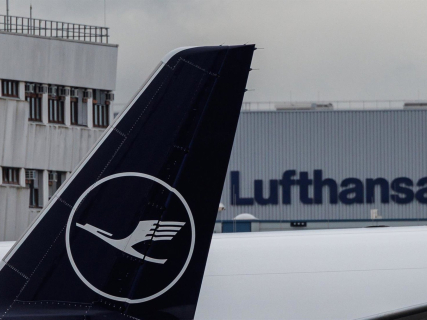

The Lufthansa cabin crew strike has left hundreds of flights canceled in Germany and has generated a strong impact on European air traffic at the very end of the Easter return operation. The strike, called by the UFO union, has coincided with one of the moments of greatest mobility of the year, complicating the return of thousands of travelers.
More than 500 flights canceled in major airports
The impact has concentrated on the large German hubs, especially Frankfurt and Munich, where Lufthansa has had to cancel a significant part of its operations. In total, more than 500 suspended flights have been exceeded, with estimates that raise the figure even higher in some airports.
The strike has also affected international connections and connecting flights, causing delays and chain reprogrammings in different points of Europe.
Direct blow to the return of Holy Week
The strike comes at a particularly sensitive moment: the end of the Easter holidays in several European countries. This has multiplied the impact, as many passengers were in transit or waiting to return to their cities of origin.
In addition to the canceled flights, the lack of aircraft in rotation has left some travelers without immediate possibility of reaccommodation, generating saturation in airports and customer service.
What is behind the strike
The call responds to the deadlock in the negotiation of the collective agreement between the company and the cabin crew union. After months without agreement, the union has decided to intensify the pressure with a strike that has had majority support among the workers.
From Lufthansa, the management has called the strike an escalation in an already tense context due to the increase in operating costs, especially fuel, and the uncertainty of the airline sector.
Impact on European air traffic
Although Lufthansa has activated contingency plans with other subsidiaries of the group, such as Eurowings or Discover Airlines, the absorption capacity has been limited. This has transferred part of the problem to other European airports, where delays and last-minute changes have been registered.
The episode confirms the fragility of the air system in moments of high demand: any labor conflict in large airlines can cause chain effects throughout the continent.
What affected passengers should do
Airlines are obliged to offer transport alternatives or reimbursement to passengers affected by cancellations. However, in strike scenarios, economic compensations can vary depending on whether the strike is considered an extraordinary circumstance.
In any case, it is recommended to check the flight status before going to the airport and contact the airline directly to manage changes or incidents.