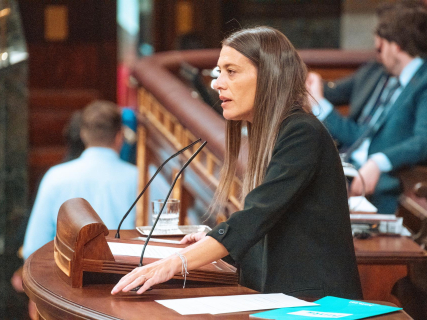

The reform of the Penal Code through the Multi-Recidivism Law, which sets penalties of between one and three years in prison for whoever has been definitively convicted of more than three thefts or less serious crimes, will begin to be applied from tomorrow Friday, after its approval in Congress with the backing of PSOE, PP, Vox, Junts, PNV, Coalición Canaria and Unión del Pueblo Navarro.
The entry into force occurs after the publication this Thursday in the Official State Gazette (BOE) of both the new Law and the modification of the Penal Code, where it is specified that said changes will begin to take effect the day after their appearance in the official gazette, that is to say, tomorrow.
The proposal, promoted by the party led by Carles Puigdemont in 2024, was finally approved last March 26 with the support of the opposition groups. The text remained paralyzed for months until in March 2025 the partial amendments were registered and, already in mid-February of the following year, it was brought to debate in the Plenary Session of Congress before being put to a vote.
Between the presentation of the first amendments and the first vote in the Lower House, the reform was again blocked by the disagreement of several government partners. However, Junts' decision to break off dialogue with the Executive led the PSOE to accept its reactivation and, in a matter of days, the Justice Committee gave the green light to the legislative modification.
At the same time, the minority partners of the cabinet, Sumar, along with several usual allies of the Government in Congress --Bildu, Podemos, BNG and Compromís-- positioned themselves against the reform, while ERC opted for abstention in the vote.
Main changes introduced by the reform
During the processing in the Congress Justice Committee, the PSOE and Junts had already agreed on measures to punish with up to three years of prison the theft of mobile phones and to aggravate the penalties in certain cases of fraud crimes.
Subsequently, after its passage through the Senate, where the PP has an absolute majority, both the amendment establishing prison sentences of six to 18 months or fines of one to two years for those who defraud energy intended for marijuana cultivation, and the one that sets sentences of between three and five years in prison for the so-called "petaqueo", related to the supply of fuel to drug-trafficking speedboats, were definitively ratified.
However, another initiative by the PP was rejected, which proposed obliging the Government to increase for two years the positions of the Area, Provincial, and Autonomous Prosecutor's Offices, setting one prosecutor for every 100,000 inhabitants or fraction greater than 50,000.
The Executive could have seen the approval of these two amendments in Congress jeopardized, but finally they were not put to a vote, since Moncloa vetoed their processing considering that they implied an additional cost for public accounts. The veto was endorsed in the Congress Bureau thanks to the majority of PSOE and Sumar, who supported the Government exercising its prerogative to stop proposals that entail an increase in spending or a reduction in revenue.
According to government calculations, the amendment linked to immigration would have required creating 400 new civil servant positions in immigration police stations, with an average cost of 42,000 euros per position, which would raise the expenditure by 16.78 million euros. Regarding the proposal to expand the public prosecutor's staff, the Executive argued its veto pointing out that it would require calling for 491 additional positions, with an estimated extra cost of 53.79 million euros.