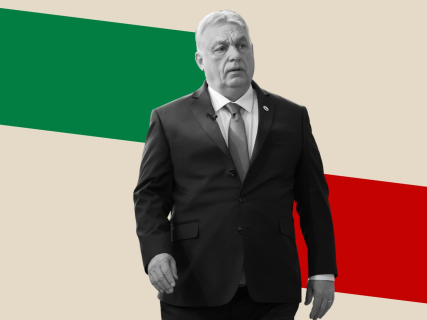

When the door of the European Council room closes, different types of leaders emerge among the Twenty-Seven. There are those who seek the agreement at all costs; those who prolong the conversations to end up giving in and score the point; those who negotiate with discretion outside the microphones; and, finally, those who find justification for one blockade after another while they interlocute directly with the Kremlin. The Hungarian prime minister, Viktor Orbán, fits into this last category.
A profile forged in confrontation
For almost two decades in power, Orbán has played the role of one of the most critical voices against the actions of Europeans from within the European Union itself. A lawyer by training, he has earned the reputation of being one of the most controversial figures in community politics, with a strong control over key institutions of his country, such as the media or judicial bodies.
Just like many diplomats, politicians and officials who orbit through the corridors of the community capital, he expanded his studies at University of Oxford, where he came into contact with student movements contrary to communism. That stage would mark his first political steps.
His leap into the public sphere came during the funeral of a figure linked to the end of the Soviet occupation in Hungary, when a speech of his —direct and laden with symbolism— catapulted him to national notoriety. At barely twenty-five years old, he co-founded the Fidesz party, with which decades later he would consolidate his hegemony.
From liberal reformist to architect of national-conservative power
Ten years later, Fidesz would win its first elections. That conservative government was, in comparison with later stages, more pragmatic. It opted for integration into the Atlantic bloc, a process that would culminate with Hungary's entry into NATO. It also promoted an austere economic policy aimed at reducing the deficit.
However, that stage was not enough to consolidate his leadership. In 2002 he lost power and would not regain it until 2010, when he returned with a two-thirds majority. That period in opposition was key: Orbán redesigned his political strategy towards a more combative, identity-based line, and based on the polarization of the electorate.
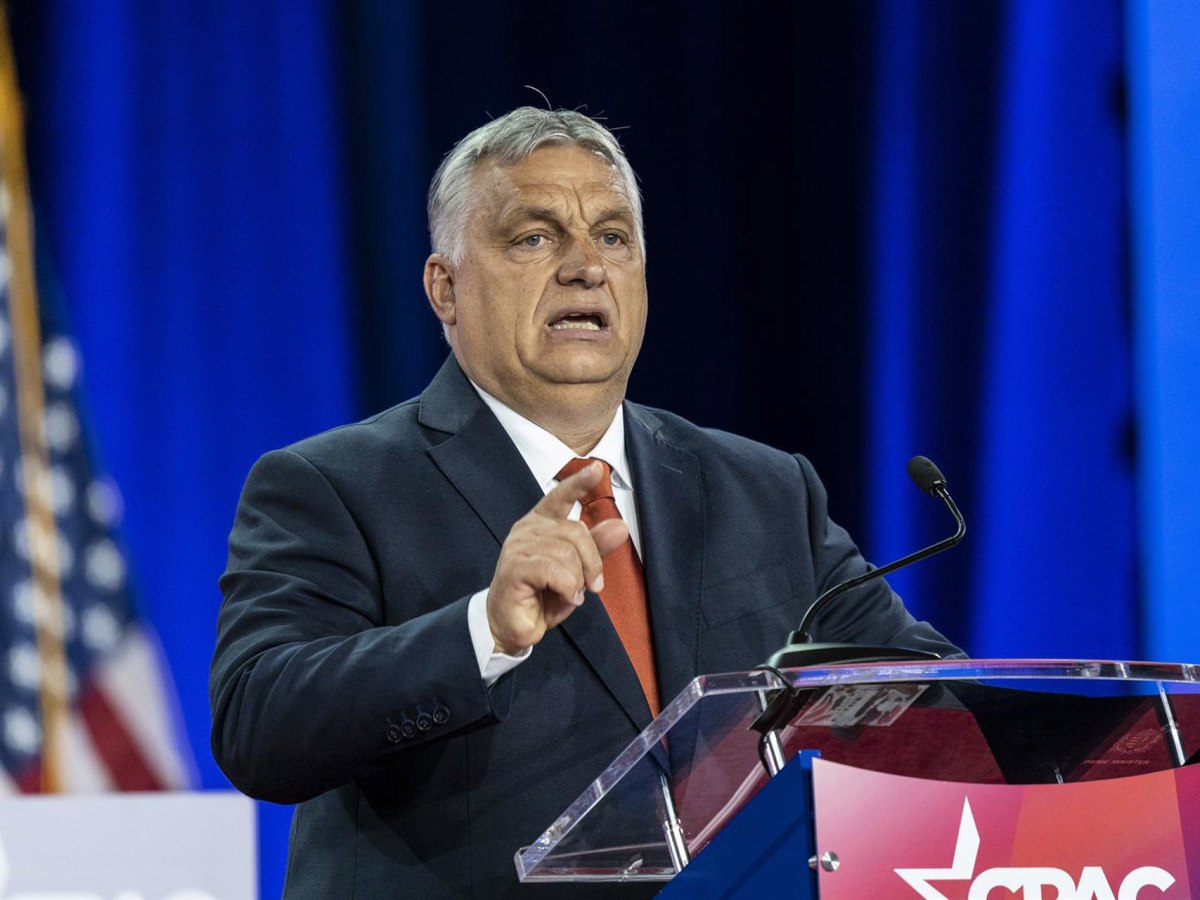
In his opinion, the opposition should not limit itself to competing in management; it should dominate the cultural framework. In those years he explored liberal environments —even with ties to the liberal international—, although his formation progressively turned towards a more marked national conservatism. That ideological turn became explicit in 2014, when he openly defended the idea of an “illiberal democracy”, a model that, according to him, should move away from Western political liberalism to build a State oriented towards the national community.
Within its borders, Orbán has built a system that combines social conservatism, nationalist populism, and selective Euroscepticism. His discourse revolves around concepts such as “national sovereignty” or “traditional Christian values”.
His government recurrently denounces European migratory policy and what it defines as “gender ideology”, framing it as a supposed interference from Brussels in internal affairs. Parallelly, it has promoted a model in which the ruling party dominates public administration, the media, and various oversight bodies.
The uncomfortable partner of Brussels
In the community capital, some recall Fidesz's initial attempt to integrate into the European People's Party. Over time, however, Orbán has come to be considered one of the most difficult interlocutors within the European Union.
Its use of the veto in the Council to block decisions on Ukraine, sanctions on Russia or European funds has been recurrent. These positions led the European Parliament to describe its strategy as a “instrumentalization” of the right to veto. In the background, this positioning has contributed to the rise of a political model that is spreading across Europe with figures such as Marine Le Pen or Santiago Abascal.
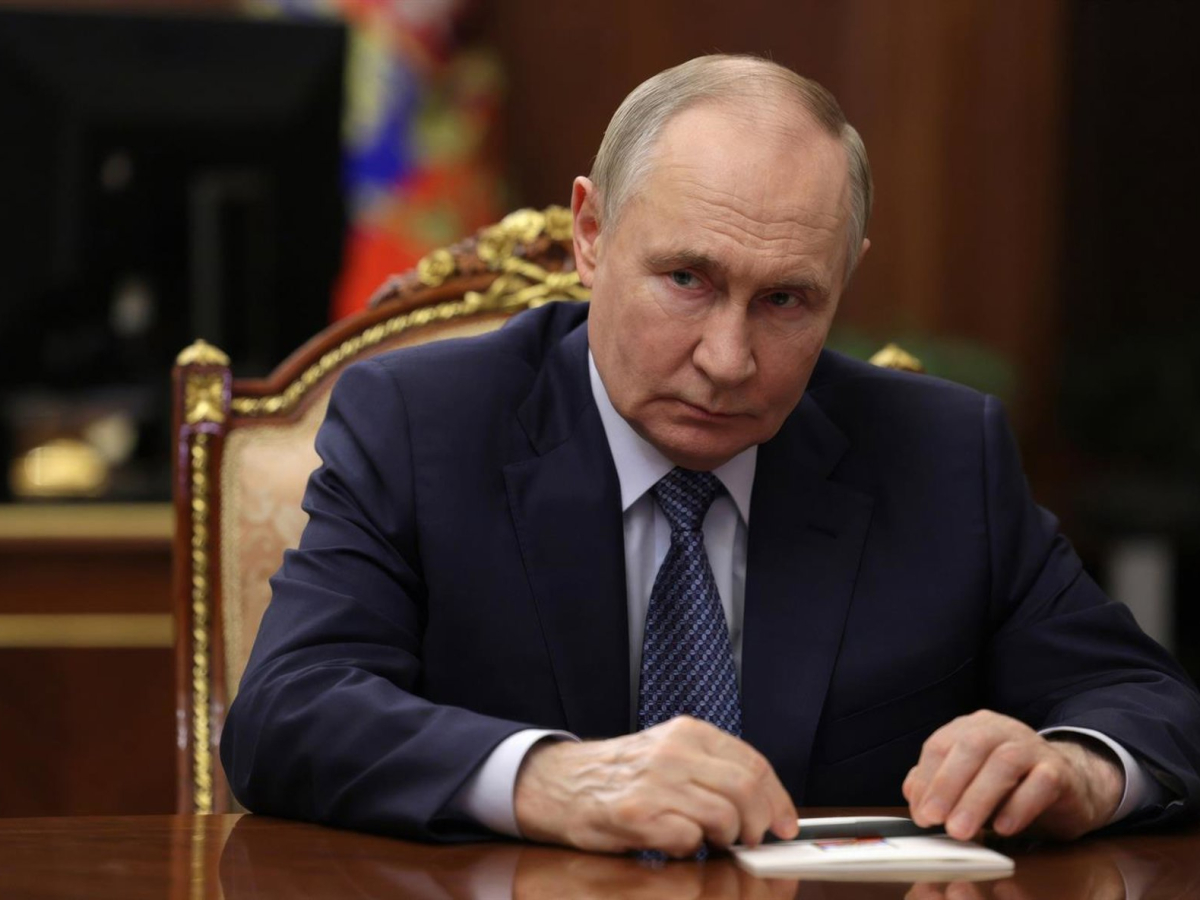
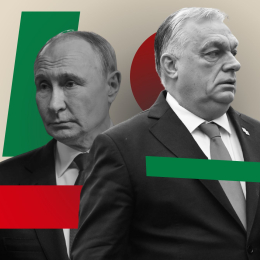
While a good part of European leaders position themselves frontally against the Kremlin and Vladimir Putin's policies, Orbán has opted for a different path: a more ambiguous and pragmatic relationship with Russia. Beyond the links between members of his government and his counterparts in Moscow, the Hungarian leader defends the need for cheap energy and negotiation. At the same time, he has sought rapprochements with other poles of power such as China, diversifying his international alliances.
The international network of sovereignism
One of the pillars of his foreign strategy has been the creation of a network of alliances with leaders of the radical right or national-conservative in Europe. Its objective: to consolidate itself as a referent of anti-system sovereigntism.
In this context, his relationship with former US President Donald Trump is especially symbolic. Both share criticisms of immigration, cultural liberalism, and international elites. Trump has gone so far as to publicly praise him as a “tough and intelligent leader”. This connection goes so far as to figures from the Republican circle like JD Vance, have participated in campaign events this very week in Hungary accusing the “Brussels bureaucrats” of interfering in the electoral process.
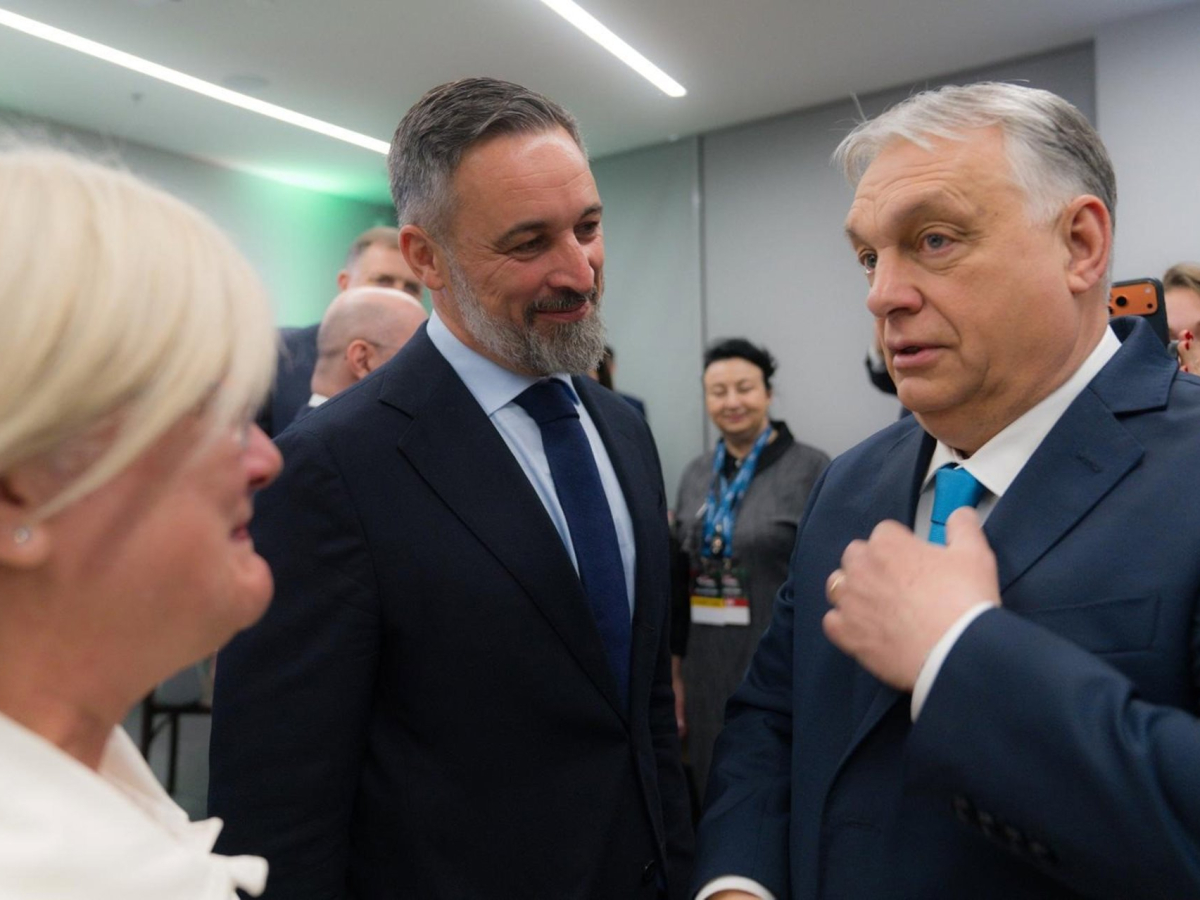
In Spain, Santiago Abascal has framed the Hungarian elections as a referendum on national sovereignty against Brussels. Both leaders share political space in the Patriots for Europe group, a platform promoted by Orbán.
Orbán's main electoral asset lies in sectors ranging from the most conservative voters to broad layers of the rural world. He also connects with citizens who prioritize order and national identity over change. In this area, he has managed to transform everyday problems —such as immigration or energy, especially after tensions in infrastructures like the Druzhba pipeline— into battles of an almost civilizational nature.
European-style Referendum
The frontal opposition to strategic European decisions —such as the support loans to Ukraine or the sanction packages against Russia— has turned the elections in Hungary into something more than a national appointment.
It is, to a large extent, a plebiscite on the direction of the European Union itself. Brussels observes with skepticism and caution an electoral process that will not only define the political future of Hungary, but also the internal balance of a Union strained between integration and sovereignty.
Orbán, true to his style, does not present these elections as a simple renewal of mandate. He presents them as an ideological battle in which, once again, he positions himself against European institutions. And, as he has demonstrated throughout his career, he is willing to take that confrontation to its ultimate consequences.