
The final stretch of the Pujol case trial has left one of the most forceful messages of the process: the Anti-Corruption Prosecutor's Office frontally rejects that it is a political trial or a proceeding driven by ideological reasons.
In its report before the National Court, the Public Prosecutor's Office responded directly to one of the lines of argument that have hovered over the case for years and defended that what is being judged is not an ideology or a territory, but alleged crimes of corruption, money laundering, and tax fraud.
The clash with the defense's thesis
The idea of alleged political contamination of the procedure has been one of the arguments that have accompanied the defense of some defendants throughout the case, especially regarding the origin of the investigation and the debates about the so-called "cloacas del Estado" or the so-called Operation Catalonia.
The Prosecutor's Office has responded to that thesis, insisting that the judicial process is based on judicial actions and evidence incorporated into the proceedings, not on political disputes. In this final phase, that message hardened with a direct response to the argument that the case represents an offensive against Catalonia.
The prosecutor maintained that turning the trial into a political confrontation diverts the focus from the core of the proceedings: determining whether an organized structure existed to hide assets and channel allegedly irregular funds for years.
What is really being judged in the Pujol case
The case revolves around the hidden fortune by the Pujol family in Andorra and the suspicion that part of those funds would not come from a family inheritance, as was defended at different times, but from activities allegedly linked to the exploitation of political and economic influence.
The prosecution maintains that there was a continuous operation to move and hide money through corporate structures, foreign accounts, and money laundering mechanisms.
Within the procedure, the main criminal focus falls on Jordi Pujol Ferrusola, for whom the Prosecutor's Office maintains the highest sentence request, with accusations including illicit association, money laundering, tax fraud, and document forgery. It also maintains conviction requests for several of his siblings and other defendants linked to the case.
The situation of Jordi Pujol
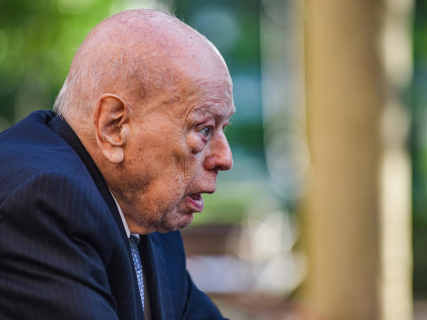
One of the relevant changes in the trial has been the exit of the former president of the Generalitat from the proceedings.
The National Court agreed to remove him from the trial, considering his cognitive decline and his inability to adequately exercise his defense to be proven. This means that he is no longer subjected to this oral proceeding, although his figure remains inevitable within the general narrative of the case due to the political and institutional weight he held for decades.
The decision does not imply an acquittal on the merits of the accusations, but rather a matter of procedural capacity to face the trial.
The process of the Pujol Case now enters its decisive phase with the final conclusions of the parties and the future deliberation of the court.
The sentence will be what determines if the accusations sustained for years find sufficient backing or not to translate into convictions. But before that outcome, the Prosecutor's Office has wanted to unequivocally set its position: the procedure, it maintains, does not seek to judge ideas or territories, but allegedly criminal acts attributed to the accused.