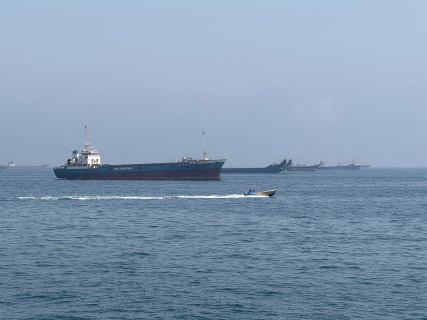


Iranian authorities reiterated this Friday that the Strait of Hormuz remains operational and allows the safe transit of merchant ships, in line with the implementation of the agreement reached with the United States to end hostilities in the Middle East.
"Iran has taken the necessary measures to ensure the safe passage of merchant ships through the Strait of Hormuz, in accordance with the memorandum of understanding on the end of the war, and maritime traffic continues on this route," said the spokesman for the Iranian Ministry of Foreign Affairs, Esmaeil Baqaei, in statements released by the ministry itself.
With these statements, Tehran responds to information published by various international media, which suggested that Iranian authorities were hindering free passage through the strait and cited communication problems with ships detained in the area.
Regarding the nuclear file, Baqaei stressed that the talks will be held within 60 days and will be subject to respect for the agreed preconditions, emphasizing that the statu quo on the atomic program remains and that the International Atomic Energy Agency (IAEA) will not carry out inspections at new facilities. As he stressed, any change will depend on the development and outcome of the negotiations.
Reopening and conditions for passage through Hormuz
This Thursday, the Iranian National Security Council indicated that "commercial ships requesting passage through the Strait of Hormuz will not pay any fees for 60 days," further specifying that the fees not collected during that period "will be covered by the Government of the Islamic Republic of Iran" within the framework of the preliminary agreement.
This decision came after the US Army confirmed the lifting of the blockade on Iranian ports in the Strait of Hormuz following the signing of the memorandum of understanding. The text contemplates that Iran will maintain a dialogue with Oman "to define the future administration and maritime services in the Strait of Hormuz, in consultation with the other littoral states of the Persian Gulf."