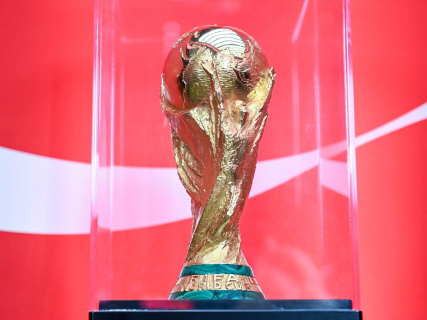


The 2026 World Cup has already yielded its first sporting and television conclusions. In just 10 days of competition, the tournament has confirmed two things: that the new format of 48 teams multiplies stories and that football continues to have a television appeal far above any other free-to-air content.
In Spain, the impact has been particularly noticeable on La 1 of TVE. The public channel has taken advantage of the championship's pull to place itself at the forefront of the month of June and open a gap with Antena 3, after several days in which the World Cup matches have served as great audience drivers.
The most spectacular figure came with the debut of the Spanish team against Cape Verde. Although the match ended 0-0 and was one of the first surprises of the tournament, the audience was massive: more than 7.3 million viewers and a 60.4% share on La 1. Adding other broadcasts, the viewership approached 8 million and exceeded 64% share.
La 1 turns the World Cup into its great June accelerator
The World Cup has changed the monthly audience battle in Spain. Before the start of the tournament, Antena 3 held an advantage over La 1. Ten days later, the public channel has taken the lead in June thanks to the push from the matches.
The matches broadcast by La 1, not counting Spain's debut, have averaged 26.33% share in these first few days. This is almost double the channel's monthly average and explains TVE's leap in the television rankings.
The formula is simple: even matches without Spain have performed above the usual average of any generalist channel. The World Cup not only provides big peaks; it also sustains full days of leadership thanks to pre-match shows, matches, analysis, and related programs.
Spain's debut: lots of public, little goal
The Spain-Cape Verde match was the great turning point. On the sporting front, the goalless draw left an uncomfortable reading for the team: dominance, possession, shots, and territorial control, but a lack of precision in the box.
Spain accumulated 27 shots and had nearly 75% possession, but could not find a way to beat Vozinha, the veteran Cape Verde goalkeeper, who delivered one of the most talked-about performances of the first phase.
On television, the result was very different. The match was a landslide. La 1 gathered more than 7.3 million viewers and achieved a 60.4% share. The figure combined with other platforms further increased viewership and made Spain's debut one of the year's biggest television events.
The matches that have most boosted TVE
The first week of the World Cup has left several particularly strong records for La 1.
The opening ceremony and the Mexico-South Africa match kicked off the championship with good numbers and helped close the gap with Antena 3 from day one.
The Canada-Bosnia and Herzegovina match also performed above the channel's average, while the Brazil-Morocco match, despite being broadcast in a very difficult time slot, achieved a very high share and confirmed that the big teams continue to draw viewers even outside of prime time.
The Germany-Curacao match provided another great rating, boosted by a historic rout. The France-Senegal and England-Croatia matches reinforced the tournament's performance in the following days. Even the Switzerland-Bosnia match, with a more moderate share than other games, was enough to make La 1 the leader of the day.
The first great sporting surprises
The 2026 World Cup has begun with several results that clearly explain the appeal of the new format.
The big surprise for the Spanish public was Spain's draw against Cape Verde, a World Cup debutant. The 0-0 had a double meaning: frustration for one of the European favorites and a historic night for a team that held on with discipline and defensive order.
Portugal's draw against the Democratic Republic of Congo also drew attention, another warning that the tournament may have more balance than expected.
Brazil started with a draw against Morocco, but later corrected with a clear victory against Haiti. Germany recorded one of the tournament's routs with its 7-1 victory over Curacao. England started strongly against Croatia, Argentina won convincingly against Algeria, and the United States has taken advantage of the home factor to start with a firm step.
Germany, England, Argentina and USA start strong
Beyond Spain, several favorites have shown good signs in the early days.
Germany was one of the most dominant teams with its rout against Curacao. The 7-1 had symbolic weight due to the scoreline and the sense of superiority the team conveyed.
England won a significant match against Croatia, a rival accustomed to competing well in major tournaments. Argentina also started with authority against Algeria, reinforcing their status as reigning champions.
The United States, as host, has made a very solid start. Their victory against Paraguay and their subsequent triumph against Australia have raised local expectations in a tournament that is being played for the first time in the United States, Mexico, and Canada.
Brazil and Vinicius Awaken After the First Stumble
Brazil did not start the World Cup with a display. The draw against Morocco left doubts about Carlo Ancelotti's team, but the reaction came later with the 3-0 win against Haiti.
Vinicius was key in that victory: he participated in the goals, assisted, and scored before halftime. Brazil needed a convincing response and found it in a match that also left Haiti with no options to advance.
For the Spanish public, Vinicius's performance adds another focus of interest to the tournament. The World Cup is not only followed by Spain; but also by the great stars who play in LaLiga or have shaped recent football.
The New World Cup Multiplies Schedules, Teams, and Stories
The 2026 World Cup has a different dimension than any previous edition. It is the first with 48 teams, three host countries, and 104 matches.
This has sporting and television consequences. There are more matches, more time slots, more debutant teams, and more possibilities for unexpected results.
For audiences in Spain, the challenge lies in the schedules. Some matches arrive in difficult time slots, especially in the early morning. Even so, the data shows that the great teams and compelling stories continue to attract the public.
What Comes Next for Spain
After the draw against Cape Verde, Spain needs to react in its next group commitments. The initial stumble is not definitive, but it does reduce the margin for error heading into Sunday.
The team must correct its lack of goals and convert dominance into clearer chances. The audience, on the other hand, has already responded: the debut showed that the national team remains a television machine when playing in a World Cup.
The second match will be another double test. Sporting, because Spain needs to win. Television, because it will allow us to see if the appeal of the debut is maintained or if the initial draw cools some of the expectation.