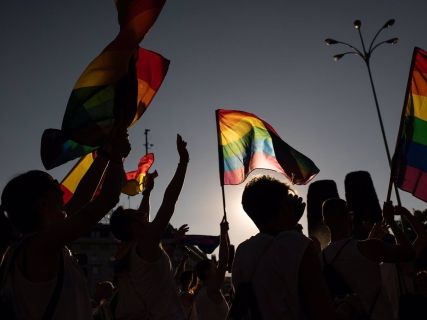

The 2026 Pride Day returns this Sunday to the streets of Spain with events, marches, and demands in different parts of the country. The date, every June 28, commemorates the Stonewall riots of 1969, considered one of the major milestones of the modern LGTBI movement, and has become an international day of visibility, memory, and defense of rights.
This year, the agenda comes with a clearly political tone. LGTBI organizations are calling for mobilization in the face of increasing hate speech, violence against the community, and attempts to revise or limit equality policies. Pride thus returns to the center of a cultural battle that spans institutions, regional parliaments, and national debate.
Madrid: Critical Pride and MADO
In Madrid, part of the attention will be focused this Sunday on Critical Pride, which is celebrated on June 28 itself. The march will depart at 7:00 PM from Metro Carpetana and will travel through Carabanchel to Plaza Elíptica, with a more demanding focus and away from the festive and institutional model of traditional Pride.
The large state demonstration, on the other hand, will take place on July 4, within the calendar of MADO Madrid Orgullo, which is celebrated between June 25 and July 5. Madrid will once again be one of the major epicenters of mobilization, both due to the scale of its events and the political and symbolic weight the capital holds in the debate on LGTBI rights.
Marches in Valencia, Bilbao, Zaragoza, and other cities
Pride is not limited to Madrid. There are also events and demonstrations in cities such as Valencia, Bilbao, Zaragoza, Valladolid, Salamanca, Burgos, Mérida, A Coruña, or Palma, among others. Each city adapts the day to its own calendar, but the underlying message is repeated: visibility, real equality, protection against violence, and defense of the legal advances achieved in recent years.
The territorial spread of the marches confirms that Pride is no longer just a major urban or festive event. It is also a network of social mobilization that reaches medium-sized capitals, autonomous communities, and spaces where groups denounce that visibility remains more difficult.
Not just a party: rights and legal guarantees
Pride is not just a celebration. It is also a journey of political vindication. Organizations focus on the protection of rights, the safety of the community, trans visibility, diversity education, and institutional response to hate crimes and speech.
The debate is also mixed with the national and regional agenda. In recent months, Vox has made the review of equality laws and LGTBI policies part of its deregulation program, while groups warn of possible setbacks and call for legal guarantees to be maintained. This tension explains why the 2026 Pride comes with a particularly visible political charge.
Hate Speech and Cultural Battle
One of the focal points of the mobilizations is the denunciation of the increase in hate speech. LGTBI groups warn that the political and social climate directly influences the safety of community members, especially trans individuals, LGTBI youth, migrants, and those living in less protected environments.
The battle is no longer fought only in the streets. It is also fought in parliaments, in regional laws, in schools, in the media, and on social networks. Therefore, this year's marches aim to remind us that conquered rights are not irreversible and that legal equality does not always translate into real equality.
June 28th as Memory and Warning
June 28th connects the present each year with the memory of Stonewall, but it also serves as a warning. Pride was born as a response to persecution, discrimination, and institutional violence. More than half a century later, the demands have changed, but the core remains the same: to be able to live with freedom, safety, and dignity.
In Spain, LGTBI organizations reach this day demanding protection against hate, safeguarding of rights, and political commitment. The celebration is still there, but the message for 2026 is clear: Pride returns to the streets because rights are also defended by occupying public space.