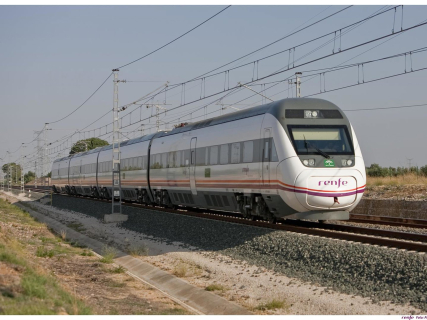

Renfe faces this Monday, June 29, a strike day that could affect thousands of travelers at the height of the summer getaway. The strike, called by the Railway Union, will cause the cancellation of around 320 trains, although the Ministry of Transport has set minimum services to guarantee some mobility during the day.
The company reports that 75% of commuter trains will run during peak hours and 50% during the rest of the day. For Medium Distance, the minimum service is around 65%, while for High Speed and Long Distance, approximately 73% of the planned trains will run. The strike coincides with the start of many summer trips, so the impact will be greater for those who already had tickets purchased and were preparing to travel this Monday.
How to know if your train is affected
The first check should always be made through Renfe's official channels. The company has published the list of minimum services, but recommends checking the specific train and not just reviewing the general route, as two services on the same line may have different situations.
Travelers should check the email associated with the purchase, the Renfe website, the mobile app, or customer service channels. On a strike day with minimum services, one train may run normally, another may have been canceled, and another may experience schedule changes. Therefore, it is advisable to check the exact train number, departure time, and ticket status before going to the station.
What to do if your train has been canceled
If the train appears as canceled due to the strike, Renfe offers several alternatives to affected travelers. The first option is to travel on another train at a nearby time, provided there are available seats. The second is to change the ticket for another date or another service. The third is to request a full refund of the amount paid, at no cost to the passenger.
This information is key for those who planned to travel this Monday. The recommendation is not to wait until the last moment, check as soon as possible if the train is included among the affected services, and keep all purchase receipts, emails, and communications from Renfe in case it is necessary to make a claim.
What you can claim
Travelers affected by a cancellation due to the strike can claim a ticket change or a refund. If Renfe offers a travel alternative and the passenger accepts it, the journey will take place under the conditions indicated by the company. If the traveler does not wish to use the alternative or it does not suit them, they can request a refund.
In these cases, the most important thing is to keep the original ticket, the proof of payment, and any notification received. It is also advisable to carry out the process through official channels so that the claim is recorded. On a day with hundreds of trains affected, having all the documentation facilitates any subsequent procedure.
Minimum services by type of train
The minimum services set for this Monday vary depending on the type of journey. In Cercanías (commuter trains), 75% of trains will run during peak hours and 50% during other time slots. In Media Distancia (medium-distance trains), Renfe plans to maintain approximately 65% of services. In High-Speed and Long-Distance trains, the percentage is around 73%.
These figures do not mean that all trains on the same line will run. Therefore, the key is to check the specific service. The impact can change depending on the schedule, the route, and the type of train.
Why there is a strike at Renfe
The protest is linked to the rejection by the Railway Union of the creation of a mixed freight company with Medway, a subsidiary of the MSC group. The union also denounces a deterioration of the public railway service and criticizes decisions that, in its opinion, affect the future of the company and working conditions.
Renfe, for its part, has activated the minimum services plan and alternatives for affected passengers, on a particularly sensitive day as it coincides with the start of summer travel.
Recommendations for travelers
Travelers with tickets for this Monday should check the status of their train before leaving home. It is recommended to go to the Renfe website or app, check the purchase email, and see if the service is among those affected by the strike.
If the train is running, it is advisable to go to the station with a little more margin than usual, as there may be a higher concentration of travelers, platform changes, or occasional incidents. If the train is canceled, the passenger must choose between traveling on another service, changing the ticket, or requesting a refund.
A strike at the height of summer departures
The strike comes at a particularly complicated time for rail mobility. Monday, June 29, coincides with the start of many summer trips, which multiplies the effect of cancellations and forces thousands of travelers to reorganize their plans.
The key to avoiding problems is to act quickly: check the specific train, review the options offered by Renfe, and claim through official channels if the service has been canceled. On a day with minimum services, it is not enough to know that there is a strike. The important thing is to confirm if your train is running.