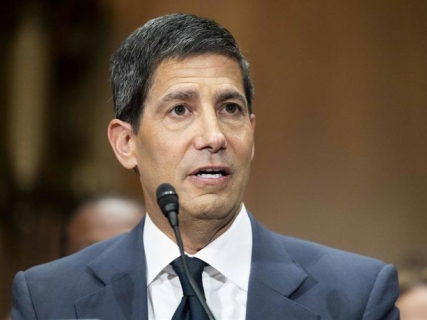

The United States Senate confirmed this Wednesday Kevin Warsh as the new chairman of the Federal Reserve (Fed), culminating a nomination process marked by political polarization and doubts about his independence from President Donald Trump.
The economist and former central bank governor between 2006 and 2011 received the backing of the Upper House by 54 votes in favor and 45 against, in the tightest and most partisan vote registered for the position.
Warsh will replace Jerome Powell, whose term as chairman concludes next May 15, although he will continue as a member of the Board of Governors until 2028.
A nomination under scrutiny
The arrival of Warsh occurs in a particularly delicate context for US monetary policy. Inflation rose in April to 3.8% year-on-year, its highest level in three years, driven by the rising cost of oil and food following the escalation of the conflict between Israel and Iran.
During his appearance before the Senate, Warsh avoided clearing up doubts about his autonomy from Trump, who had publicly pressured Powell for months to cut interest rates.
His nomination only received the support of one Democratic senator, John Fetterman.
Powell's Legacy and the Defense of the Fed's Independence
Jerome Powell leaves office after consolidating himself as one of the most influential figures in recent economic policy in the United States.
During the pandemic, he led an unprecedented monetary response and, subsequently, resisted pressure from the White House to subordinate the central bank's decisions to the Executive's interests.
Although he will step down as president, Powell has announced that he will keep his seat on the Board of Governors, which could continue to influence the organization's internal debates.
The Challenge of Kevin Warsh
Kevin Warsh assumes the direction of the institution with a roadmap aimed at reducing interest rates if conditions permit, decreasing the Fed's balance sheet, which he considers oversized, maintaining more discreet communication so as not to condition expectations or reinforcing coordination with the United States Department of the Treasury.
Its main challenge will be to demonstrate that it will preserve the independence of the central bank at a time when monetary policy is once again placed at the center of the political and economic debate.