Tension escalates again around the Strait of Hormuz. Iran reactivated maritime traffic restrictions this Saturday after having temporarily relaxed controls, in a new tug-of-war with the United States a few days before the ceasefire in effect since April 8 expires.
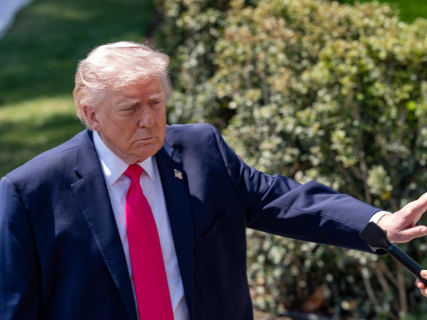
From the White House, Donald Trump has defended that he maintains “excellent conversations” with Tehran and that the contacts are going “very well”, despite the deterioration of the regional climate.
Hormuz, epicenter of the crisis
The Iranian Government maintains that Washington has breached the truce by maintaining the naval blockade in the area, while the US Administration accuses the Islamic Republic of trying to use Hormuz as a tool of pressure.
The Strait of Hormuz continues to be one of the most sensitive energy routes on the planet. A key part of global oil and gas trade passes through this corridor, so any disruption has an immediate effect on markets, transport, and global supply.
Trump has downplayed the Iranian movement and assured that part of the maritime traffic is already diverting to US ports, especially in Texas and Louisiana.
The current ceasefire concludes next Wednesday and neither side has yet confirmed an extension. While Washington seeks a new round of diplomatic contacts, Tehran maintains official silence.
The truce remains alive, but every movement in Ormuz recalls that the crisis remains open.