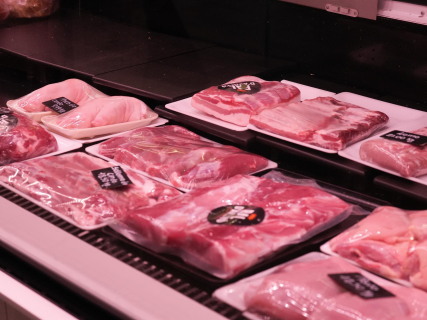

The national beef sector of Asaja has expressed its "deep concern" about the presence in the European market of meat originating from Brazil, following recent alerts linked to the use of substances prohibited in the European Union. Therefore, it has called on the Ministry of Agriculture and the Community institutions for "the immediate suspension of these imports".
In a statement, the organization has stressed that, "when non-compliance affecting food safety, traceability, and consumer confidence is detected, the response must be immediate".
At the same time, it has denounced that it is not acceptable to apply "two different standards: maximum demands for European farmers and tolerance with products from third countries that do not guarantee the same controls".
Thus, the sector has described as "unacceptable" that the Spanish countryside endures increasingly strict regulations regarding health, animal welfare, sustainability, traceability, and transport, "while imports of meat from countries whose production systems do not offer equivalent guarantees remain open".
Furthermore, it has emphasized that this conflict goes beyond a mere problem of unfair competition for producers, remarking that it is "a matter of food safety, consumer defense, and the credibility of the European production model".
In this regard, Asaja's sector has lashed out against "the incoherence of European policy," which continues to raise demands on Community farmers regarding animal welfare, transport, or sustainability, while promoting trade agreements and maintaining the entry of meat from countries like Brazil or Argentina "without real reciprocity".