

The labor reform promoted by the Government of Portugal has been finally rejected in Parliament, after the far-right party Chega decided to vote alongside left-wing formations upon failing to reach an understanding with the Executive headed by Prime Minister Luís Montenegro.
The plan, named "Trabajo XXI", had generated deep discontent in broad sectors of Portuguese society and faced firm opposition from unions from the outset, which had already called two general strikes in just half a year in response to the initiative.
According to the Portuguese news agency Lusa, the disagreement between the Government and Chega revolved around key issues such as retirement age, the recovery of vacation days, the possibility of granting work leave to grandparents to care for their grandchildren, and the recognition of the conditions of shift workers.
"If they want to reform labor laws, it cannot be against mothers, it cannot be by facilitating dismissals or preventing people from retiring at the fair age and after decades of contributions," stated Chega leader André Ventura in a social media post.
The Executive had defended this reform a few months ago, arguing that it would strengthen the competitiveness of the labor market and increase the country's productivity. Among the approximately 100 measures planned, some of the most questioned by unions were included, such as the flexibilization of collective bargaining, authorization of subcontracting after collective dismissals, reduction of certain work-life balance rights, the possibility of buying vacation days, or the expansion of activities subject to minimum services.
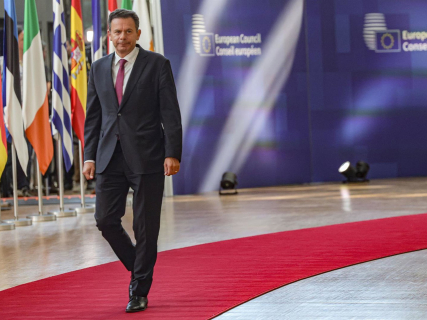
"The Government will not cease in its efforts to provide Portugal with the necessary conditions to be competitive, productive, and, through this, generate more employment opportunities and pay better wages," indicated Montenegro at a press conference after the summit of Heads of State and Government of the European Union in Brussels.
From the union side, the general secretary of the General Confederation of Portuguese Workers (CGTP), the country's main union, Tiago Oliveira, positively assessed the outcome of the parliamentary vote and stressed that it reflects "the failure of the Government's proposal."