

The board on the table. As many players as parliamentary groups. There are those capable of reading several moves ahead, while others assume they will have to sacrifice a piece and others fight not to be left without a king. In the background, the referee who hopes the board will tilt towards his position. Thus, the meeting of the European Parliament's Committee on Budgets will host this Wednesday its “game of the century” particular, in a game closer to Garry Kasparov than to a simple technical procedure.
It is perhaps the mother of all legislative files. More than a thousand amendments presented by the parliamentary groups and a budget of two trillion euros for the next seven years is what is on the playing board. MEPs expect to approve the preliminary report this week for its vote during the plenary session of the last week of April in order to open negotiations with the Member States.
The starting square
The draft report presented by the rapporteurs starts from a clear premise: to establish a broad negotiating mandate that helps legislators to guide the conversations in such a way that the final text also allows responding to current geopolitical and economic challenges. Thus, it has been proposed that the next Annual Financial Framework be set at 1.27% of the European Union's Gross National Income, excluding from this calculation the reimbursements of the NextGeneration (NGEU) funds. This would be the “absolute minimum” level calculated to address crises such as the war in Ukraine, the competitiveness gap, or the climate emergency.
The Parliament wants to drastically reduce the complexity of the budget and go from the current seven headings to four main ones, also reducing the programs from 60 to 19. These headings are each of the categories that group the different programs of the Union.
In data
The new chapters
The current proposal for the MFF 2028-2034 proposes a drastic restructuring, moving from the current seven headings to four main headings:
- Heading 1: European Social Model and Quality of Life. This category would group funds for economic, social and territorial cohesion, as well as the Common Agricultural Policy (CAP), rural development, fisheries, maritime affairs and internal security.
- Heading 2: Competitiveness, Prosperity and Security. It focuses on strategic areas such as digital leadership, the defense industry, space, the bioeconomy and the new Competitiveness Fund.
- Heading 3: Global Europe. Covers all external action of the Union, including humanitarian aid and support to third countries (such as Ukraine), structured into geographical pillars (Africa, Middle East, Asia, etc.).
- Heading 4: Administration. Dedicated exclusively to the operating expenses of the European Union institutions.
Thus, it is intended to review this budget by July 2031 at the latest. MEPs also agree to reject the merger of policies into a single plan per Member State. In fact, they insist on the warning that this model, as proposed by the European Commission, would generate uncertainty for final beneficiaries and would jeopardize pillars such as territorial cohesion and social rights.
In this way, the text that may end up leaving Parliament would support a "basket" of new own resources that generates at least sixty billion euros annually to pay the debt of the Next Generation funds without cutting historical programs.
Popular Party: More power for the regions
In this Wednesday's move, the European People's Party plans to focus its strategy on an approach characterized by shared management and the protection of productive sectors. They defend in the political family of the President of the European Commission, Ursula von der Leyen, that the distribution of funds should not depend only on the Member States, but be based on a shared system where regions have responsibility in programming and execution.
Furthermore, they want to “shield” defense spending and strengthen mechanisms such as the one known as “Connecting Europe” for military mobility with the aim of redoubling efforts in community security in view of the threats on the eastern flank of the European Union.
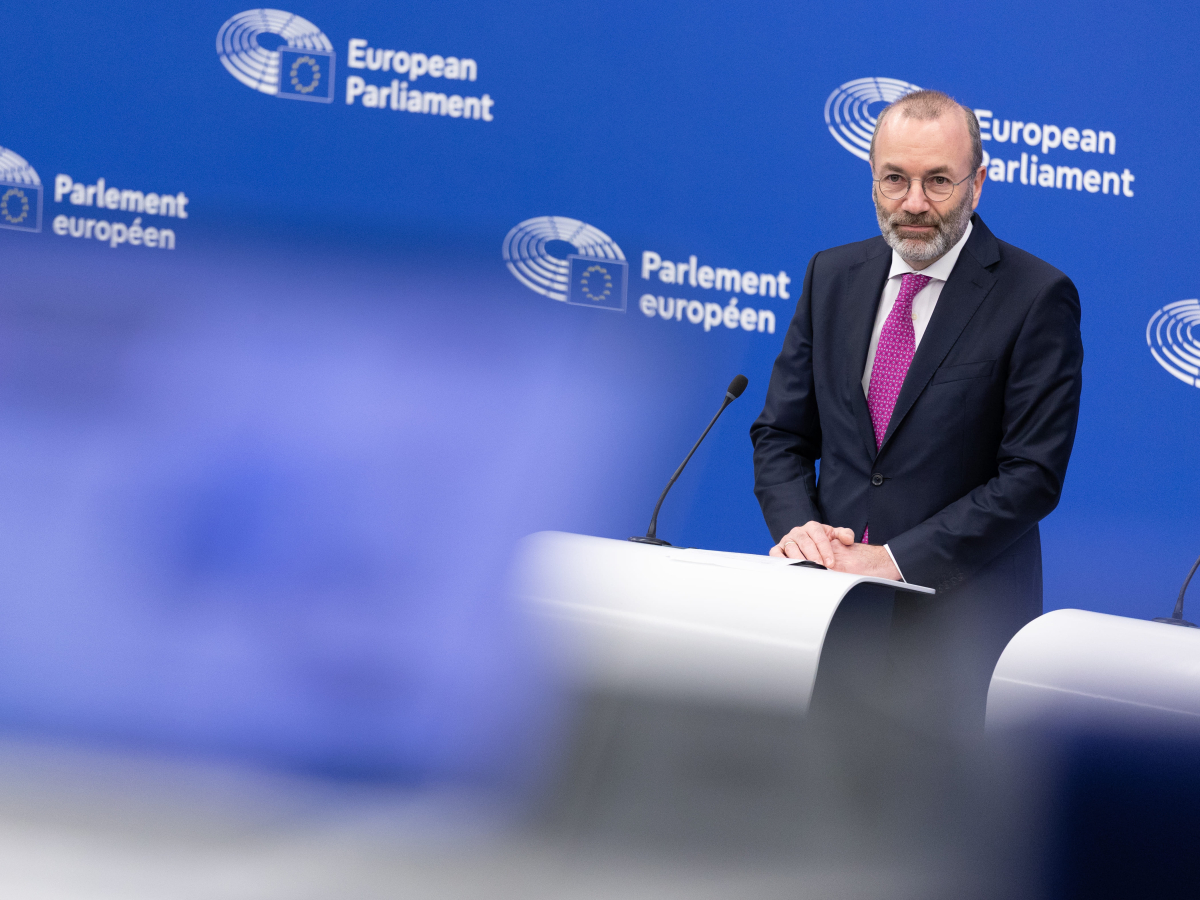
The popular party demands to maintain the essential role of the regions in the Common Agricultural Policy and strongly criticize the reduction of funds in the chapter dedicated to this area. The amendments presented by MEPs Karlo Ressler and Isabel Benjumea warn that this could undermine food security and the standard of living of farmers and fishermen.
Also ask for a specific protected funding for the outermost regions so that programs like POSEI continue to be independent instruments with increased budgets.
Socialist Group: Shared power
The amendments presented by the S&D focus on the European social model and multi-level governance. One of its priorities in Wednesday's vote is that the social pillar be maintained as a central objective of European action, beyond a subsidiary function of economic growth, maintaining the European Social Fund as a distinct instrument.
They propose that all Union programs contribute in some way to promote quality jobs, as well as to collective bargaining. Undoubtedly, one of the points of greatest tension with the Commission's proposal is that related to the governance of national plans. The MEPs of the group chaired by the Spanish Iratxe García show their concern about the lack of participation of regional authorities in the governance of the chapter that includes the CAP, which is why they demand a binding subsidiarity clause.
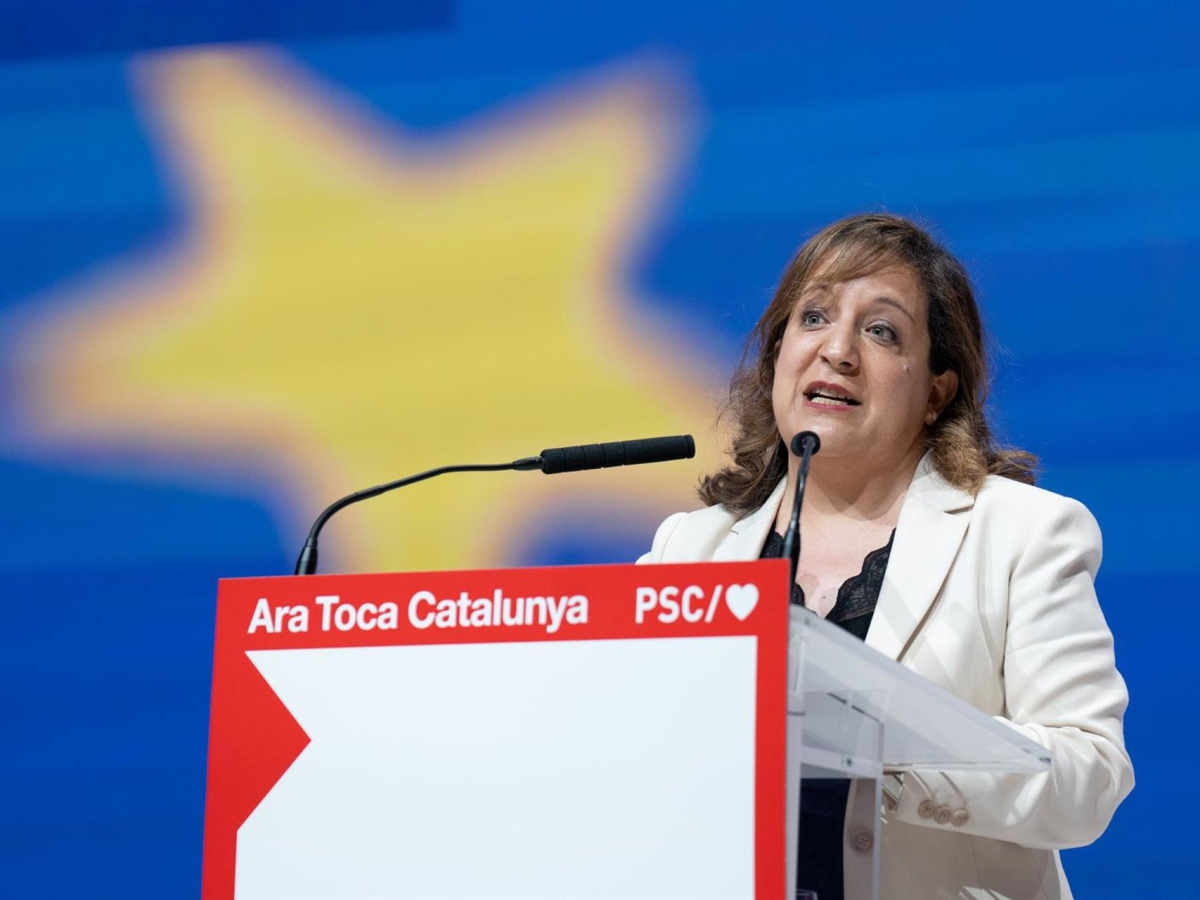
Similarly, they find an independent instrument for climate policies lacking, therefore they propose an expanded Just Transition Fund with a larger budgetary allocation.
Renew: The tax letter
The group of French President Emmanuel Macron warns of a lack of efficiency in the presented report because it considers that it is not sufficient when it comes to responding to new priorities of the continent without excessively increasing the tax burden. In fact, some MEPs from the liberal family have proposed that the budget be maintained at 1% of income, alleging a need to establish a new budgetary discipline instead of continuous increases.
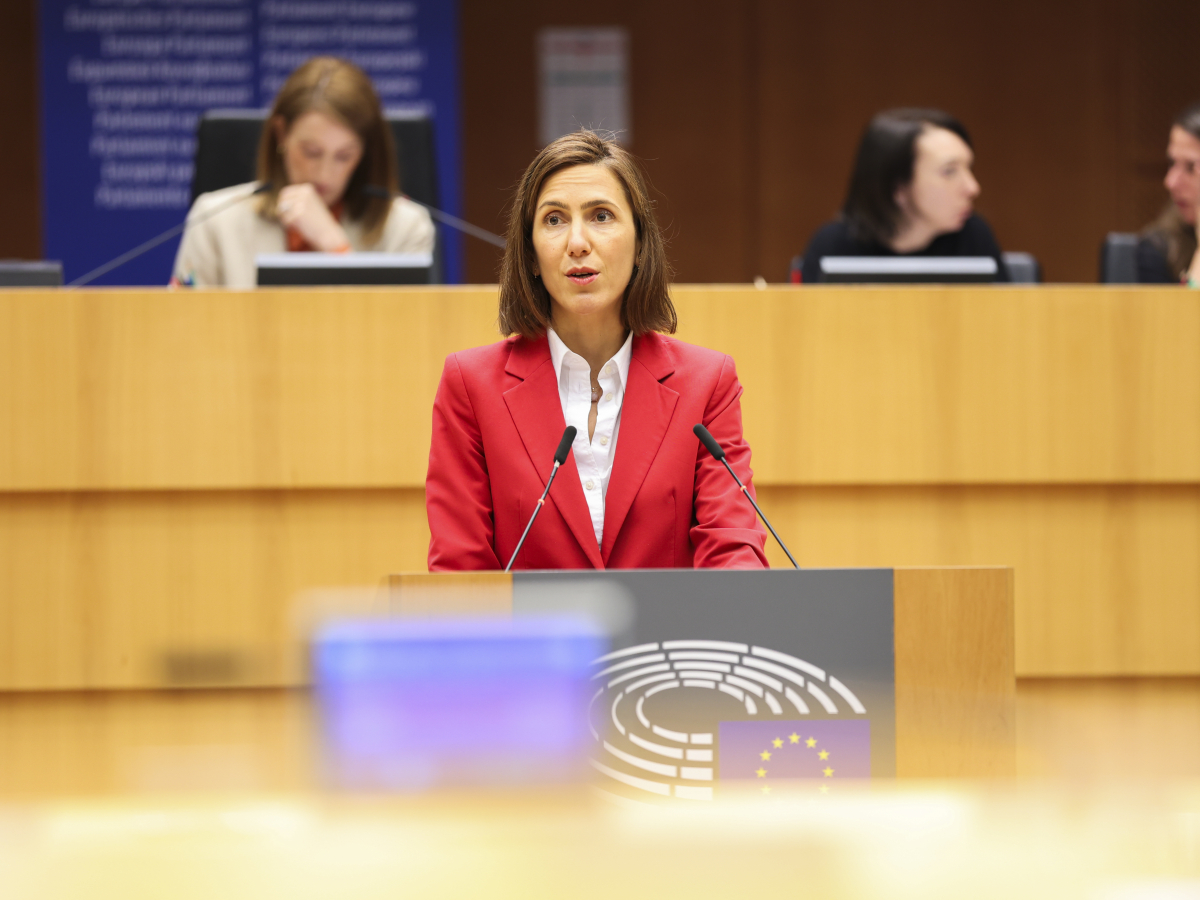
Likewise, they emphasize the need to address issues such as the aging of the population, the falling birth rate, and the shortage of labor as budget priorities. They also criticize the fact that the simplification of some programs could end up weakening climate ambition or the Parliament's supervisory capacity over environmental spending.
The Greens: New resources for the circular economy
The fourth leg that supports the known as “Von der Leyen majority” in the European Parliament, the Green group, advocates for a greater financial ambition, as well as a re-boost to environmental protection. In this regard, they want to raise the budget up to 1.39% of GNI.
In line with what has been alleged by other parliamentary groups, they denounce that it is a democratic right of the European Parliament to allocate resources according to political priorities in each of the foreseen chapters.
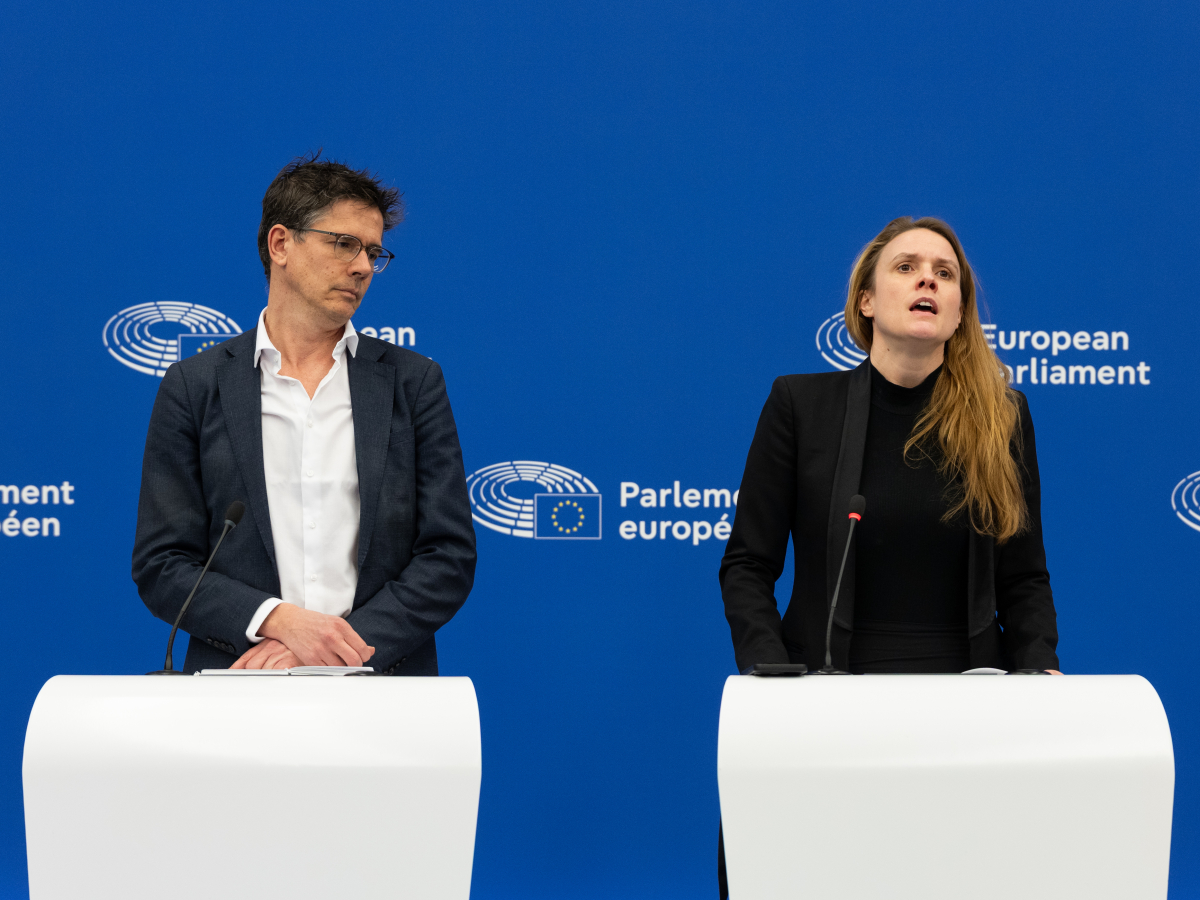
As part of their political program, they want the principles of the circular economy to be integrated into all programs, with adequate funding for recycling and reuse infrastructures. However, they are frontally opposed to the use of loans as a means to finance the Union's spending and demand fiscal responsibility from European institutions.
Patriost: The rejection of new allies
In the speeches of the most conservative groups in Parliament, such as Patriots, elements such as national sovereignty or the proposed structure gain greater prominence. For example, those of Santiago Abascal condemn the reduction of programs, denouncing that it undermines democratic scrutiny. They also reject the increase in funds for foreign policy, since they consider development aid ineffective if it is not conditioned on cooperation in migration.
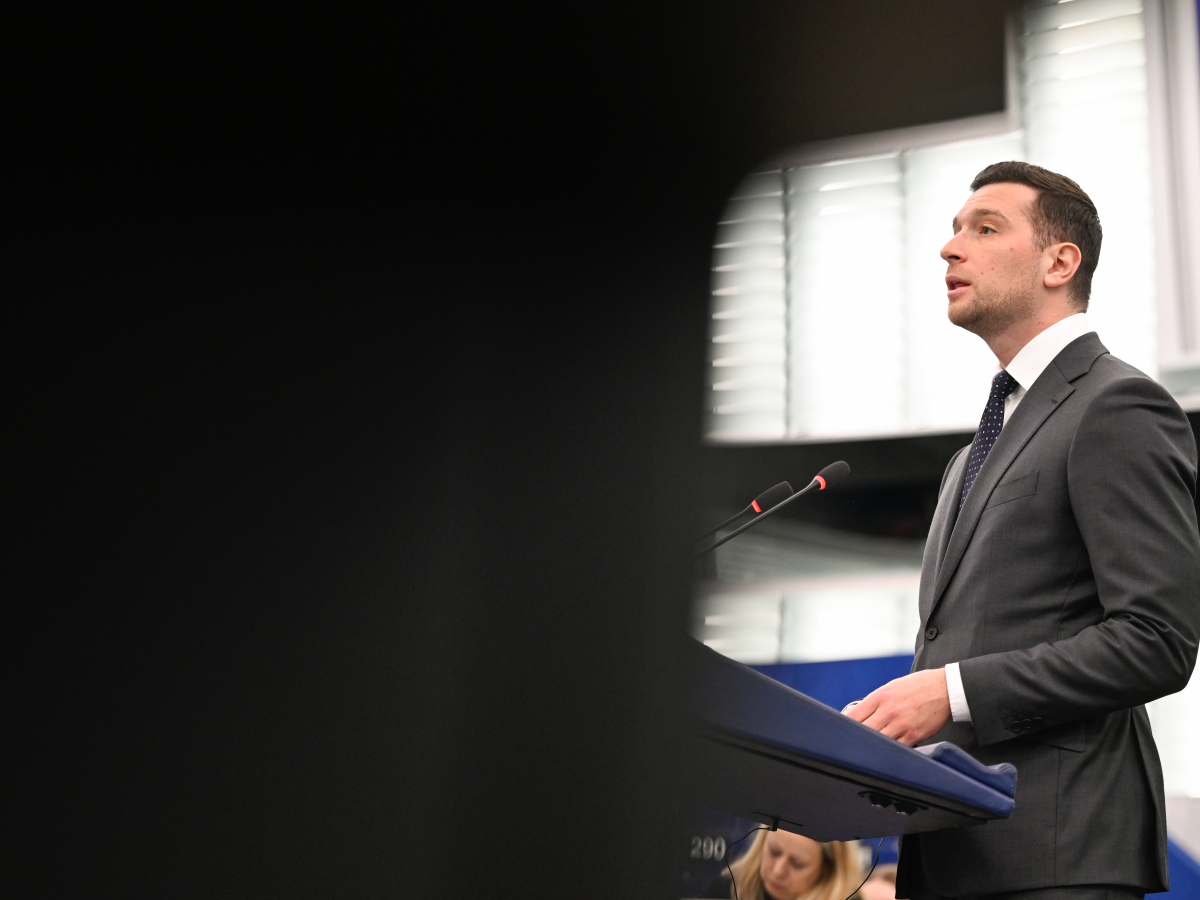
Just like other groups, they oppose the Commission establishing mandatory co-financing with the Member States in specific agricultural sectoral programs. Furthermore, they maintain that the enlargement of the European Union goes against the economic and social interests of the Twenty-Seven.
Team "Meloni": Enforce the rule
In the European Conservatives and Reformists they show their rejection of the increase in loan operations, as well as to indebtedness within the proposal for the budget for the next seven years. They demand that the powers of the budgetary authorities be strictly respected.
Where will agreement be reached?
Beyond the differences in each team's game strategies, some repeated patterns in the registered amendments can be appreciated. On the one hand, there is some consensus among legislators on the need for the new budget to include a solidarity reserve for natural disasters.
A majority of parliamentary groups have expressed their discontent over what they consider to be a proposal of excessive centralization in the National and Regional Partnership Plans. During negotiations in Parliament, they have insisted that the principle of partnership must remain the basis of cohesion policy and ask Brussels for local authorities to have a direct role in the execution of the funds.
There is one last factor to take into account regarding the amendments that could survive Wednesday's vote. In each of the proposals, there is widespread support for strengthening the chapter dedicated to competitiveness to invest more in research and strategic autonomy.
With the risk of a checkmate to the Commission's proposal already far from the board, after various concessions from the Executive to the States, players seek on Wednesday to overcome a draw so that the final gambit allows them to gain an advantage and elevate the text with the European Parliament's position to the April plenary session.