
Tucker Carlson situou uma data no debate sobre o próximo passo de Donald Trump no Irã. Em uma mensagem publicada no domingo, 1º de novembro, o ex-apresentador da Fox News sustenta que, segundo pessoas que acompanham de perto as deliberações, o presidente americano provavelmente decidirá até sábado, 7, se autoriza ou descarta o uso de armas nucleares. Carlson não identifica essas pessoas nem apresenta qualquer prova que sustente sua versão e foi recebido com rejeição pelos analistas americanos, apesar da antiga influência do comentarista entre fontes republicanas.
Under pressure from Israeli prime minister Benjamin Netanyahu, the Trump administration may be within days of launching a nuclear strike on Iran. The target would be Pickax Mountain in central Iran, where Israeli intelligence claims the Iranian government has restarted its nuclear enrichment program. No conventional weapon in the American arsenal can penetrate 300 feet of solid granite to destroy the tunnels where enrichment is supposedly taking place. The only military option is a nuclear strike. Netanyahu has been pushing hard for one. "Bibi calls Trump about it every day," says an informed observer. Netanyahu is cornered and desperate. After last week's election results, he can't form a government unless Trump intervenes directly in Israeli politics and brokers a deal with other parties that gives Netanyahu 61 seats in the Knesset. Otherwise, he is out as prime minister and on his way to ignominy, investigations and possibly jail. Netanyahu must stay close to Trump. He needs this war. To that end, he's applied maximum pressure to his closest allies in the administration, including Secretary of Defense Pete Hegseth and CENTCOM commander Brad Cooper. Both oppose a negotiated settlement to the war they've so grievously mismanaged; both are pushing to restart major combat operations. Secretary of State Marco Rubio and CIA director John Ratcliffe are also following Netanyahu's lead, as are leaders of the Democratic Party. In a recent meeting on the subject, former president Barack Obama said he opposes the current Iran peace deal being drafted in Doha. The rest of America's longtime allies in the Middle East are terrified by the prospect of more war. On September 27th, Netanyahu flew secretly to Abu Dhabi to enlist the UAE in his lobbying effort for a final attack on Iran. The Emiratis refused. After eight months of conflict, Gulf economies are teetering. So are global energy and fertilizer markets. They won't recover soon. Globally, there are a total of about 850 supertankers used to transport oil from producers to the rest of the world. In October alone, 11 of them were badly damaged in Hormuz. At this pace, a global depression is imminent. A nuclear strike would radically accelerate the destruction. Fallout from a ground explosion at Pickax Mountain would contaminate the Persian Gulf, poisoning the water supply for 100 million people. And those are just some of the immediate consequences for the region. The rest of the world is every bit as exposed. No country other than the United States has ever used a nuclear weapon in war. Some would like to. An American nuclear attack on Iran would set a new precedent. The Russians have already told at least two other governments that an American nuclear strike on Iran would free them to use nuclear weapons against Ukraine. Pakistan and India would be tempted to do the same against each other, as would North Korea against Seoul. After the first nuclear strike, World War Three is inevitable. That war would be short and final. We've been sleepwalking toward this moment for months. Since February, the administration has quietly rewritten America's nuclear doctrine to make first use of so-called "battlefield nukes" easier and therefore more likely. No one in Washington in either party seems bothered by this. Now we're on the brink of it. Close observers say Trump is likely to decide by next weekend whether or not to use nuclear weapons. That would be November 7, six days from now. To his credit, he's hesitating. At the moment, Trump is listening to his vice president, JD Vance, and to his envoy and friend Steve Witkoff, both of whom argue a deal with Iran can be made. They're right, though it won't be simple. The Iranians are famously frustrating to negotiate with under any circumstances, and elements of that government have become more radical since Ayatollah Ali Khamenei and his family were killed in February. After decades of isolation, even relatively moderate Iranian leaders seem confused by how decisions are made in the West. (There is a widespread belief in Tehran, for example, that the United States government controls Israel.) But overall, people who have spoken to decision-makers in Iran say there is consensus there that more war is bad for everyone and a deal is worth making. One group that hasn't been consulted so far is the global population — the hundreds of millions of people who will be killed along with their children if Trump is pushed by Netanyahu into launching a nuclear strike next week. Now would be the time for them to speak up.
— Tucker Carlson (@TuckerCarlson) November 2, 2026
O que Carlson diz sobre o calendário das midterms
A expressão que ele utiliza é «by next weekend»: para o próximo fim de semana. O próprio Carlson esclarece que se refere a 7 de novembro. As eleições de meio de mandato realizam-se na terça-feira, dia 3, de modo que o prazo que descreve abrange os dias anteriores e posteriores à votação. A data corresponde à suposta decisão de Trump, não à execução de um ataque.
Há, sim, informação independente que liga o calendário eleitoral a uma possível escalada militar. Segundo Axios, Trump e o primeiro-ministro israelita, Benjamín Netanyahu, falaram no sábado sobre as negociações com o Irão e a possibilidade de retomar os combates após as midterms. Essa informação refere-se a operações militares; não confirma que Washington esteja a preparar um ataque com armas nucleares.
Pickaxe Mountain: o que Trump disse e o que Carlson lhe atribui
Carlson identifica como possível alvo Pickaxe Mountain, uma instalação subterrânea do centro do Irão. Atribui à inteligência israelita a suspeita de que Teerão retomou ali o enriquecimento de urânio e sustenta que Netanyahu pressiona Trump para que atue. No seu relato, o vice-presidente norte-americano, JD Vance, e o enviado especial Steve Witkoff defendem dar mais tempo à diplomacia. O comentador não apresenta documentação pública sobre essas conversas.
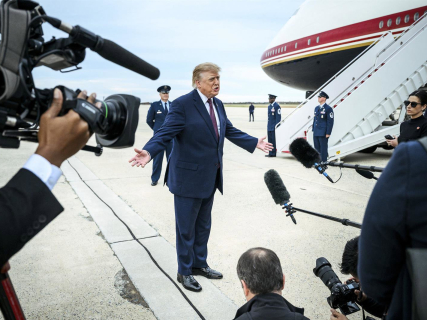
As declarações públicas de Trump permitem precisar até onde chega a informação. No sábado, perante jornalistas na Florida, o presidente de facto apontou Pickaxe Mountain ao falar de instalações iranianas que os Estados Unidos poderiam atacar. Não disse que empregaria uma arma nuclear. Em 16 de outubro, questionado sobre essa possibilidade numa entrevista à Newsmax, tinha-a descartado expressamente.
A distinção é decisiva: atacar uma instalação ligada ao programa nuclear iraniano e fazê-lo com uma arma nuclear são duas decisões diferentes. Trump falou publicamente da primeira. A segunda é a hipótese que Carlson apresenta, e 7 de novembro é o prazo que as suas fontes citam, não um ultimato anunciado pela Casa Branca.