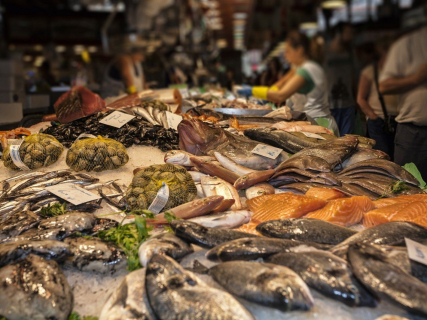
The shopping basket from 23J to 29N: this is how you can decide the cost of living the general elections

The grocery basket that cost 100 euros when Spain voted on 23J came out at almost 109 in October, and the cost of living rose by 11.2% in that same period. For those who still doubt who to vote for on 29N, a question can tip the scales. How far does the salary go today after doing the shopping, paying for electricity, and filling up the tank?

fotonoticia 20261120124738 1920

fotonoticia 20261120124738 1920

Add DEMÓCRATA to Google

Ask FREN

Published

Last updated

8 minutes

Most read

Hasta el día de las elecciones (29 de noviembre) se muestran los resultados de las elecciones generales anteriores, las del 23 de julio de 2023.

Resultados de las elecciones generales del 29N en directo

Elecciones generales del 23 de julio de 2023 · Congreso de los DiputadosSenado

Escrutado: 100,00 %Votantes: 24.952.447Participación: 66,59 %

Votos

PartidoEscañosVotosPorcentaje
PP1378.160.83733,06 %
PP: 137 escaños. Se presenta con estos nombres:
  • PARTIDO POPULAR (PP)131 escaños
  • PARTIDO POPULAR / PARTIT POPULAR (PP)5 escaños
  • PARTIT POPULAR / PARTIDO POPULAR (PP)1 escaño
PSOE1217.821.71831,68 %
PSOE: 121 escaños. Se presenta con estos nombres:
  • PARTIDO SOCIALISTA OBRERO ESPAÑOL (PSOE)85 escaños
  • PARTIT DELS SOCIALISTES DE CATALUNYA (PSC-PSOE)19 escaños
  • PARTIDO DOS SOCIALISTAS DE GALICIA-PSOE (PSdeG-PSOE)7 escaños
  • PARTIDO SOCIALISTA DE EUSKADI-EUSKADIKO EZKERRA (PSOE)5 escaños
  • PARTIDO SOCIALISTA DE ISLAS BALEARES-PSOE (PSIB-PSOE)3 escaños
  • PARTIDO SOCIALISTA DE NAVARRA-PSOE (PSN-PSOE)2 escaños
Vox333.057.00012,38 %
Sumar313.044.99612,33 %
Sumar: 31 escaños. Se presenta con estos nombres:
  • SUMAR10 escaños
  • SUMAR - EN COMÚ PODEM (SUMAR - ECP)7 escaños
  • SUMAR ANDALUCÍA (SUMAR)5 escaños
  • COMPROMÍS - SUMAR: SUMEM PER GUANYAR (SUMAR - COMPROMÍS)4 escaños
  • SUMAR GALICIA (SUMAR)2 escaños
  • SUMAR CANARIAS (SUMAR)1 escaño
  • SUMAR ARAGÓN1 escaño
  • SUMAR MÉS (MÉS PER MALLORCA-MÉS PER MENORCA-SUMAR)1 escaño
ERC7466.0201,89 %
Junts7395.4291,60 %
EH Bildu6335.1291,36 %
EAJ-PNV5277.2891,12 %
BNG1153.9950,62 %
CCa1116.3630,47 %
UPN152.1880,21 %
PACMA0169.2370,69 %
PACMA: 0 escaños. Se presenta con estos nombres:
  • PARTIDO ANIMALISTA CON EL MEDIO AMBIENTE (PACMA)0 escaños
  • PARTIT ANIMALISTA AMB EL MEDI AMBIENT (PACMA)0 escaños
CUP-PR099.6440,40 %
FO046.2740,19 %
NC-bc045.5950,18 %
PDeCAT-E-CiU032.0160,13 %
RECORTES CERO023.4210,09 %
PUM+J023.2900,09 %
PUM+J: 0 escaños. Se presenta con estos nombres:
  • POR UN MUNDO MÁS JUSTO (PUM+J)0 escaños
  • POR UN MUNDO MAIS XUSTO (PUM+J)0 escaños
  • BIDEZKO MUNDURANTZ (PUM+J)0 escaños
U.P.L.023.2010,09 %
EXISTE020.4400,08 %
EXISTE: 0 escaños. Se presenta con estos nombres:
  • TERUEL EXISTE - COALICIÓN EXISTE (EXISTE)0 escaños
  • ARAGÓN EXISTE - COALICIÓN EXISTE (EXISTE)0 escaños
PCTE013.3820,05 %
GBAI099380,04 %
SY096970,04 %
Adelante091910,04 %
JM+082930,03 %
ESCAÑOS EN BLANCO079860,03 %
XAV073620,03 %
BQEX058070,02 %
CJ056200,02 %
FE de las JONS046830,02 %
PAR041730,02 %
PCTC038750,02 %
ESPAÑA VACIADA031580,01 %
PH029020,01 %
ASTURIAS EXISTE EV023140,01 %
XH019310,01 %
VP019170,01 %
Zsi018430,01 %
VB017740,01 %
POR MI REGIÓN016980,01 %
AHORA CANARIAS-PCPC016740,01 %
PARTIDO AUTÓNOMOS014460,01 %
EVB014420,01 %
CpM012980,01 %
JxG012180,00 %
EV-PCAS-TC011840,00 %
PREPAL09640,00 %
Somos Cc09630,00 %
ALM08740,00 %
PCTG07020,00 %
F.I.A.05060,00 %
3e04840,00 %
Ud.Ca04630,00 %
ESCONS EN BLANC04620,00 %
GITV03660,00 %
PUEDE02690,00 %
EVC02650,00 %
LB02630,00 %
PCTE/ELAK02590,00 %
UNIDOS SI02530,00 %
+RDS+01650,00 %
CCD01530,00 %
FUERZA CÍVICA01150,00 %

Los partidos que se presentan con varios nombres van juntos: pasa por encima del ? para ver el detalle. Porcentajes sobre votos válidos. Resultados definitivos del 23J de 2023.

Escaños (350)

Mayoría: 176
PP: 137 escaños en 2023 (PARTIDO POPULAR: 131; PARTIDO POPULAR / PARTIT POPULAR: 5; PARTIT POPULAR / PARTIDO POPULAR: 1)PSOE: 121 escaños en 2023 (PARTIDO SOCIALISTA OBRERO ESPAÑOL: 85; PARTIT DELS SOCIALISTES DE CATALUNYA (PSC-PSOE): 19; PARTIDO DOS SOCIALISTAS DE GALICIA-PSOE: 7; PARTIDO SOCIALISTA DE EUSKADI-EUSKADIKO EZKERRA (PSOE): 5; PARTIDO SOCIALISTA DE ISLAS BALEARES-PSOE: 3; PARTIDO SOCIALISTA DE NAVARRA-PSOE: 2)Vox: 33 escaños en 2023Sumar: 31 escaños en 2023 (SUMAR: 10; SUMAR - EN COMÚ PODEM: 7; SUMAR ANDALUCÍA: 5; COMPROMÍS - SUMAR: SUMEM PER GUANYAR: 4; SUMAR GALICIA: 2; SUMAR CANARIAS: 1; SUMAR ARAGÓN: 1; SUMAR MÉS: 1)ERC: 7 escaños en 2023Junts: 7 escaños en 2023EH Bildu: 6 escaños en 2023EAJ-PNV: 5 escaños en 2023BNG: 1 escaño en 2023CCa: 1 escaño en 2023UPN: 1 escaño en 2023137121333120232023
  • PP 137
  • PSOE 121
  • Vox 33
  • Sumar 31
  • ERC 7
  • Junts 7
  • EH Bildu 6
  • EAJ-PNV 5
  • BNG 1
  • CCa 1
  • UPN 1

Simulador de Pactos

Pulsa los partidos para sumar sus escaños.Abrir el Simulador de Pactos

Los escaños más ajustados

Quién tiene el último escaño, quién le sigue y los votos que le faltan
  1. GironaJxCAT - JUNTSyPP285 votos

    El último escaño de Girona (el 6.º) es para JxCAT - JUNTS. Le sigue el PP, que necesitaría 285 votos más para quitárselo. Ver Girona ›

  2. CantabriaVOXyPP403 votos

    El último escaño de Cantabria (el 5.º) es para VOX. Le sigue el PP, que necesitaría 403 votos más para quitárselo. Ver Cantabria ›

  3. TarragonaJxCAT - JUNTSyPSC1247 votos

    El último escaño de Tarragona (el 6.º) es para JxCAT - JUNTS. Le sigue el PSC, que necesitaría 1247 votos más para quitárselo. Ver Tarragona ›

  4. AlbacetePSOEyVOX1412 votos

    El último escaño de Albacete (el 4.º) es para el PSOE. Le sigue VOX, que necesitaría 1412 votos más para quitárselo. Ver Albacete ›

  5. SalamancaPPyPSOE1495 votos

    El último escaño de Salamanca (el 4.º) es para el PP. Le sigue el PSOE, que necesitaría 1495 votos más para quitárselo. Ver Salamanca ›

Ver todas las provincias y el mapa

Provincias donde el último escaño cambiaría de manos con menos votos, con lo escrutado hasta ahora. Pulsa una para ver el detalle.

Senado

100,00 % escrutado
PartidoSenadores
PP120
PSOEPSOE: 73 senadoresSe presenta con estos nombres:
  • PSOE48
  • PSC12
  • PSdeG-PSOE4
  • PSE-EE (PSOE)4
  • PSN-PSOE3
  • PSIB-PSOE1
  • PSOE-SUMAR-EUIB-ARA EIVISSA1
73
EH Bildu4
EAJ-PNV4
ERCERC: 3 senadoresSe presenta con estos nombres:
  • ERC-ESQUERRES PER LA INDEPENDÈNCIA2
  • ERC1
3
Junts1
UPN1
A.H.I.1
ASG1

Los partidos que se presentan con varios nombres van juntos: pasa por encima para ver el detalle. Baleares y Canarias eligen sus senadores por islas.

Senadores (208)

Elegidos en las urnas
PP: 120 senadores en 2023PSOE: 73 senadores en 2023 (PSOE: 48; PSC: 12; PSdeG-PSOE: 4; PSE-EE (PSOE): 4; PSN-PSOE: 3; PSIB-PSOE: 1; PSOE-SUMAR-EUIB-ARA EIVISSA: 1)EH Bildu: 4 senadores en 2023EAJ-PNV: 4 senadores en 2023ERC: 3 senadores en 2023 (ERC-ESQUERRES PER LA INDEPENDÈNCIA: 2; ERC: 1)Junts: 1 senador en 2023UPN: 1 senador en 2023A.H.I.: 1 senador en 2023ASG: 1 senador en 20231207320232023
  • PP 120
  • PSOE 73
  • EH Bildu 4
  • EAJ-PNV 4
  • ERC 3
  • Junts 1
  • UPN 1
  • A.H.I. 1
  • ASG 1

Los senadores designados por los parlamentos autonómicos no se eligen en las urnas.

Mapa

Ganador por provincia

    CanariasCeutaMelillaAraba/Álava: PSE-EE (PSOE) 27,7 %Albacete: PP 39,9 %Alicante/Alacant: PP 36,7 %Almería: PP 40,9 %Ávila: PP 43,3 %Badajoz: PSOE 39,2 %Illes Balears: PP 35,6 %Barcelona: PSC 35,7 %Burgos: PP 40,6 %Cáceres: PSOE 38,9 %Cádiz: PP 34,8 %Castellón/Castelló: PP 35,2 %Ciudad Real: PP 40,5 %Córdoba: PP 37,9 %A Coruña: PP 43,1 %Cuenca: PP 39,8 %Girona: PSC 28,9 %Granada: PP 37,0 %Guadalajara: PP 36,3 %Gipuzkoa: EH Bildu 31,2 %Huelva: PP 36,4 %Huesca: PP 38,2 %Jaén: PP 37,3 %León: PP 36,9 %Lleida: PSC 29,5 %La Rioja: PP 45,6 %Lugo: PP 50,2 %Madrid: PP 40,6 %Málaga: PP 38,3 %Murcia: PP 41,2 %Navarra: PSN-PSOE 27,4 %Ourense: PP 50,0 %Asturias: PP 35,7 %Palencia: PP 42,0 %Las Palmas: PSOE 33,2 %Pontevedra: PP 39,7 %Salamanca: PP 46,9 %Santa Cruz de Tenerife: PP 35,4 %Cantabria: PP 42,1 %Segovia: PP 45,0 %Sevilla: PSOE 36,6 %Soria: PP 37,2 %Tarragona: PSC 32,9 %Teruel: PP 35,0 %Toledo: PP 37,8 %Valencia/València: PP 33,6 %Valladolid: PP 40,8 %Bizkaia: EAJ-PNV 26,9 %Zamora: PP 44,7 %Zaragoza: PP 36,0 %Ceuta: PP 38,8 %Melilla: PP 49,2 %

    Pulsa una provincia para ver sus resultados y elegir municipio.

    Mapa

    Partido con más senadores por provincia

    CanariasCeutaMelillaAraba/Álava: PSOE, 3 de 4 senadoresAlbacete: PP, 3 de 4 senadoresAlicante/Alacant: PP, 3 de 4 senadoresAlmería: PP, 3 de 4 senadoresÁvila: PP, 3 de 4 senadoresBadajoz: PSOE, 2 de 4 senadoresIlles Balears: PP, 3 de 6 senadoresBarcelona: PSOE, 3 de 4 senadoresBurgos: PP, 3 de 4 senadoresCáceres: PP, 2 de 4 senadoresCádiz: PP, 3 de 4 senadoresCastellón/Castelló: PP, 3 de 4 senadoresCiudad Real: PP, 3 de 4 senadoresCórdoba: PP, 3 de 4 senadoresA Coruña: PP, 3 de 4 senadoresCuenca: PP, 3 de 4 senadoresGirona: PSOE, 3 de 4 senadoresGranada: PP, 3 de 4 senadoresGuadalajara: PP, 3 de 4 senadoresGipuzkoa: EH BILDU-INDEPENDENTZIA EZKERRETIK, 3 de 4 senadoresHuelva: PP, 2 de 4 senadoresHuesca: PP, 3 de 4 senadoresJaén: PP, 3 de 4 senadoresLeón: PP, 3 de 4 senadoresLleida: PSOE, 3 de 4 senadoresLa Rioja: PP, 3 de 4 senadoresLugo: PP, 3 de 4 senadoresMadrid: PP, 3 de 4 senadoresMálaga: PP, 3 de 4 senadoresMurcia: PP, 3 de 4 senadoresNavarra: PSOE, 3 de 4 senadoresOurense: PP, 3 de 4 senadoresAsturias: PP, 3 de 4 senadoresPalencia: PP, 3 de 4 senadoresLas Palmas: PSOE, 4 de 5 senadoresPontevedra: PP, 3 de 4 senadoresSalamanca: PP, 3 de 4 senadoresSanta Cruz de Tenerife: PSOE, 3 de 6 senadoresCantabria: PP, 3 de 4 senadoresSegovia: PP, 3 de 4 senadoresSevilla: PSOE, 3 de 4 senadoresSoria: PP, 3 de 4 senadoresTarragona: PSOE, 3 de 4 senadoresTeruel: PP, 3 de 4 senadoresToledo: PP, 3 de 4 senadoresValencia/València: PP, 2 de 4 senadoresValladolid: PP, 3 de 4 senadoresBizkaia: EAJ-PNV, 3 de 4 senadoresZamora: PP, 3 de 4 senadoresZaragoza: PP, 3 de 4 senadoresCeuta: PP, 2 de 2 senadoresMelilla: PP, 2 de 2 senadores

    Pulsa una provincia para ver sus senadores y candidatos.

    Resultados definitivos de las elecciones generales del 23 de julio de 2023 (Ministerio del Interior). Mapas: Instituto Geográfico Nacional (es-atlas, CC BY 4.0). Demócrata.

    From one election to another, filling the pantry has become more expensive by less than the overall set of household expenses. To keep a purchase of food and non-alcoholic drinks of 400 euros in the 23J month, almost 436 euros were needed in October 2026. For the overall set of goods and services of the CPI, those same 400 euros were equivalent to 444.65. October is the last month that allows comparing both baskets with INE definitive data.

    The INE published the latest inflation figure from the campaign on Friday 27 November. Prices fell by 0.6% compared with October and the annual rate moderated by eight tenths, to 4.1%, above all due to the decline in fuel. In the 23J month, the CPI was 2.3%, although on that Sunday voters only knew 1.9% from June. The definitive July figure was published on 11 August. If the forward monthly drop of 0.6% is applied to the October index, a general purchase of 100 euros in 23J would be equivalent to about 110.5 euros in November 2026.

    How much have wages risen and what has happened to purchasing power

    From 23J to 29N: how much the grocery basket, the cost of living, and wages increase
    Indicator and period In 2023 In 2026 Increase
    Grocery basketFood and non-alcoholic beverages · from July 2023 to October 2026 100,00 € 108,98 € 9,0%
    Cost of livingGeneral CPI · from July 2023 to October 2026 100,00 € 111,16 € 11,2%
    Average monthly gross wagePer worker · second quarter of 2023 and of 2026 2.262,63 € 2.512,68 € 11,1%
    Monthly minimum wageFull-time, 14 payments · July 2023 and November 2026 1.080 € 1.221 € 13,1%

    The first two rows show what a purchase equivalent to 100 euros from July 2023 cost in October 2026. If exactly the same quarters as in the wage row are compared, the CPI rose 9,1% and the average wage gained 1,8% in purchasing power.

    The average monthly gross wage per worker and month rose from 2.262,63 euros in the second quarter of 2023 to 2.512,68 in the same quarter of 2026, according to the INE Quarterly Labour Cost Survey. That is 250,05 euros more per month, 11,1%. The comparison uses the same months, from April to June, so that the extra payments are included in both periods.

    In those same two quarters, the general CPI rose 9,1% and food rose 9,4%. Once inflation is discounted, the average wage gained 1,8% in purchasing power. The minimum wage, which is known in both election dates, went from 1.080 to 1.221 euros gross per month in 14 payments, 13,1% more.

    Eggs cost 34% more than in the 23J and milk has hardly changed

    In the summer of the 23J, food and non-alcoholic beverages rose 10,8% over a year, more than four times the general inflation rate. By the close of this campaign, the relationship has been reversed. In October 2026, food rose 2,4% annually, less than half of that month’s CPI, which reached 4,9%.

    The difference can be seen by choosing what goes into the cart. Between July 2023 and October 2026, eggs became 34,1% more expensive, beef 30,9%, and fresh and frozen fish 18,8%. Bread rose by around 4,3% and milk by 1,1%. Sugar got cheaper by 19,2% and the group of oils and fats by 17,7%, according to the INE national series.

    From egg to sugar: how food prices have changed since the 23J
    Food July 2023 to October 2026 variation What 100 € cost in the 23J now costs
    Eggs +34,1% 134,10 €
    Beef +30,9% 130,90 €
    Fresh and frozen fish +18,8% 118,80 €
    Bread +4,3% 104,30 €
    Milk +1,1% 101,10 €
    Oils and fats −17,7% 82,30 €
    Sugar −19,2% 80,80 €

    Spain. The last column translates the rounded percentage change into a spending of 100 euros in each category. October is the last month with an official breakdown of food before the 29N.

    From egg to olive oil, five real supermarket prices

    At Dia, the dozen of medium eggs that ASAJA recorded at 1.90 euros in the week closing the 2023 campaign appears at 2.85 euros in the week of the 29N. At Carrefour, a liter of extra virgin olive oil under its own brand has taken the opposite path. FACUA recorded it at 6.45 euros on July 4, 2023, and Oleista placed it at 4.10 euros on November 26, 2026.

    ASAJA collected prices from July 14 to 21, 2023, and from November 23 to 27, 2026. For eggs, the size is the same, although only the 2023 report specifies the rearing system. For fruit and vegetables, the season also plays a role.

    The OCU provides a November reference. Its basket of food, hygiene and drugs cost 318.70 euros across eight chains, compared with 317.23 euros in October. The difference was 1.47 euros in a month, with increases in fish, dairy products and beverages. The OCU basket includes hygiene and drugs items.

    How much five products cost in the supermarket in July 2023 and how much they cost in November 2026
    Product, chain, and quantity July 2023 November 2026 Difference
    Medium eggsDia · dozen of size M 1,90 € 2,85 € +0,95 €
    Extra virgin olive oilCarrefour · private label, 1-liter bottle 6,45 € 4,10 € −2,35 €
    Plum tomatoesMercadona · 1 kilo 1,89 € 2,20 € +0,31 €
    White potatoMercadona · 1 kilo 1,79 € 1,90 € +0,11 €
    Golden appleMercadona · 1 kilo 2,09 € 2,00 € −0,09 €

    ASAJA collected prices from 14 to 21 July 2023 and from 23 to 27 November 2026. For eggs, size M matches, although only the 2023 product sheet specifies the breeding system. For fruit and vegetables, the season also has an influence. The oil prices correspond to 4 July 2023 and 26 November 2026.

    How much have electricity, gas, and water risen since July 2023

    In the regulated electricity tariff (PVPC), the average energy price in the Peninsula rose from 14.82 cents per kilowatt-hour in July 2023 to 20.78 cents between 1 and 28 November 2026. At those average prices, 100 kWh go from 14.82 to 20.78 euros, almost six euros more before taxes. The final bill also depends on the contracted power and the hours of consumption.

    With gas, there are two different moves. In the regulated tariff for households that consume up to 5,000 kWh per year, the fixed term fell from 5.03 to 3.83 euros per month, while each kWh went from 4.31 to 5.25 cents. With 300 kWh of consumption in a month, the sum of fixed and energy would have gone from 17.97 to 19.59 euros before taxes, according to the tariffs of the BOE.

    The supply of water became 12.9% more expensive in Spain between July 2023 and October 2026, according to Eurostat’s harmonised index. This is a national average for supply. Also on each municipality’s bill, concepts such as sewerage and treatment come into play.

    Refueling 50 liters of diesel costs almost 17 euros more than on the 23J

    From 23J to 29N: how much it costs to consume 100 kWh of electricity, pay for gas, or refuel 50 liters
    Expense and comparison unit July 2023 Last data before 29N Difference
    Electricity with regulated tariff100 kWh at the average PVPC price for the peninsular market 14,82 € 20,78 € +5,96 €
    Regulated gas: fixed chargeTUR.1 tariff · per month 5,03 € 3,83 € −1,20 €
    Regulated gas: energy consumedTUR.1 tariff · cents per kWh 4,314 5,253 +0,939
    Regulated gas: monthly exampleFixed charge plus 300 kWh of consumption 17,97 € 19,59 € +1,62 €
    Water supplyEquivalent of a 100 € expense according to the national index 100,00 € 112,88 € +12,88 €
    95-octane gasolineDeposit for 50 liters 80,10 € 78,00 € −2,10 €
    DieselDeposit for 50 liters 72,65 € 89,60 € +16,95 €

    Electricity compares the full month of July with the days 1 to 28 of November 2026. The amounts for electricity and gas are before taxes and exclude meter rental. In electricity, the contracted capacity is also excluded. TUR.1 applies to consumption of up to 5,000 kWh per year.

    Water includes the evolution of supply in Spain up to October 2026. The fuels correspond to the closing weeks of both campaigns and include taxes.

    In the two campaign-closing weeks, gasoline and gas oil swapped positions. In July 2023, the liter of 95-octane gasoline cost 1,602 euros in Spain and the liter of gas oil cost 1,453. In the week of 23 November 2026, the European Commission’s Oil Bulletin placed gasoline at 1,560 euros and diesel at 1,792.

    For a 50-liter tank, filling with gasoline goes from 80,10 to 78 euros. With diesel, the same refueling goes from 72,65 to 89,60 euros, 16,95 euros more than before 23J.