
The Spanish Society of Epidemiology (SEE) calls for the future State Health Agency to not remain a mere legal entity and to be able to start operating in 2027, with sufficient economic resources and staff. It also asks that, in the next legislative term, the reforms that were postponed be resumed to protect the child and adolescent population from alcohol, tobacco, pornography, and advertising for unhealthy foods, with a view to incorporating them into the debate of the general elections of 29 November.
"Having a State Health Agency on paper is not enough. It needs a budget and professionals to coordinate monitoring and response to health threats, and to not arrive too late to the next crisis," the scientific society emphasizes.
With a view to the next political cycle, the SEE urges the resumption of the commitments that were put on hold after the dissolution of the Cortes on 6 October, which caused several public health regulations to fall. Among them, the reform of the tobacco law and the law on preventing alcohol consumption by minors, the processing of which had already been started, as well as measures to reduce health inequalities —including those related to gender and those affecting LGTBI+ people— and to strengthen the response to extreme heat, fires, and pollution.
"Public health cannot be paused every time the political calendar changes. Many of these measures have broad scientific support and years of work behind them, and it is necessary for them to be part of the electoral debate. All these measures must be resumed in the next legislative term, with resources and targets that allow their results to be verified," the SEE states.
Regarding the state monitoring network, the scientific society proposes that it integrate health, occupational, environmental, social, and demographic information, systematically disaggregated by sex and that, with confidentiality guarantees, allow analysis by gender identity, sexual orientation, and other axes of inequality (social class, origin, disability). It also calls for comparable indicators between autonomous communities, the implementation of the electronic death certificate, and a data protection framework that makes it possible to carry out monitoring and epidemiological analysis with legal certainty.
It also proposes that the Agency incorporate a specific unit for gender and health equity, and that its governing and advisory bodies have a balanced representation of women and men, in line with Organic Law 3/2007 on effective equality between women and men.
Tobacco, alcohol and new nicotine products
In matters of tobacco and alcohol, the SEE calls for reactivating the reforms at the point at which they were left off so as not to lose the work already done. For tobacco, it proposes raising taxation, implementing plain packaging, expanding smoke- and aerosol-free spaces, and regulating the new products specifically, such as heated tobacco and other nicotine devices.
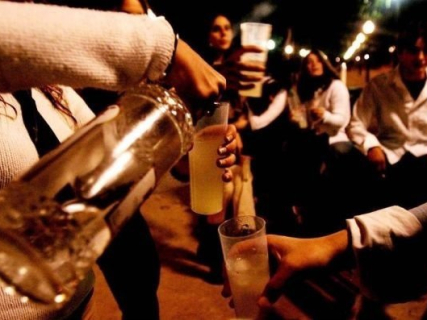
With regard to alcohol, it suggests a state prevention strategy that reviews taxes, assesses minimum prices, limits opening hours, points of sale and advertising —including digital advertising and that for 0.0 beverages—, and introduces health labelling. Both lines must be accompanied by treatments to quit smoking and by interventions from Primary Care with a gender perspective, as well as taking into account the relationship between alcohol consumption and gender-based violence.
Protection of children and the school environment
Protection of boys, girls and adolescents occupies a central place in the proposals. To the restrictions on alcohol and tobacco, the SEE adds the regulation of advertising for unhealthy foods aimed at children, the evaluation of school cafeterias, the inclusion of nutrition professionals in Primary Care, and the promotion of physical activity against sedentary behavior and excessive use of screens. It also includes comprehensive affective-sexual education in all educational stages, prevention of early access to pornography and digital sexual violence, and specific measures to protect LGTBI+ students against bullying in school.
"The environments in which boys and girls grow up determine their health throughout their lives. Limiting their exposure to alcohol, tobacco, new nicotine products and advertising for unhealthy foods is one of the most effective health investments that a country can make," they say from the SEE.
Vaccination and combating misinformation
In the field of vaccination, the SEE advocates for setting quantifiable objectives, strengthening trust in the face of misinformation, and making use of contacts with patients with chronic illnesses to review their vaccination schedule. It calls for active identification of people at risk, monitoring of coverage broken down by sex, promoting vaccination during pregnancy, and the development of systems such as SIVAIN, another draft of a Royal Decree that has not been rolled out and that would allow sharing vaccination registry data among autonomous communities.
Social inequalities, gender and occupational health
The fight against health inequalities runs through much of the document. The SEE asks that decisions on housing, employment, income, education and social protection include an assessment of their impact on health and equity, following the approach of "Health in all policies".
"Health is not decided only in healthcare centers. It also depends on having adequate housing, decent employment and sufficient income. That is why housing, work or social protection policies must take into account their impact on health and equity," they emphasize from the scientific society.
This approach incorporates a gender perspective, with data broken down by sex in all information systems, ensuring sexual and reproductive health, protecting the health of LGTBQ+ people, and preventing violence. In the workplace, the SEE proposes integrating occupational health surveillance into public health, evaluating psychosocial and climate-related risks with a gender perspective, improving the recognition of occupational diseases—especially in feminized sectors, where they are under-recognized—and addressing the precarity of groups such as domestic workers, platform workers, self-employed people, and the migrant population.