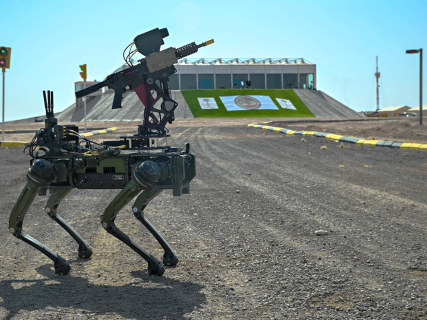

United Nations is facing the last hours in an effort to reach a consensus that would allow formal negotiations to begin on the employment in combat of the so-called "killer robots," weapons systems that require minimal human intervention to function. The debate is moving forward with difficulty due to the opposition of the United States and Russia, supporters of keeping the fewest restrictions possible on these technologies.
Russia, for example, has vetoed the approval of a work program that opened the door to new rounds of talks, with the aim of reducing the influence of the European Union and other observer states. The United States, for its part, has been defending for months that the use of the so-called Lethal Autonomous Weapon Systems (or LAWS, for their acronym in English) must remain under the exclusive jurisdiction of each State. Israel, India, and the United Kingdom largely align with Washington’s position.
The issue is being discussed within the framework of the 128 States Parties to the United Nations Convention on Certain Conventional Weapons, the multilateral forum from which any mandate that regulates the deployment of these "robots" should come. Regardless of whether a concrete outcome is achieved or not, everything points to the deliberations being extended well into the night.
UN Secretary-General António Guterres has urged the delegates to close some kind of agreement that would make it possible to control "politically unacceptable and morally repugnant weapons systems" that "pose new humanitarian, legal, ethical, and security challenges."
"We must prevent the use and proliferation of these ruthless weapons and put humanity and protection first," Guterres has called for, in line with the positioning of humanitarian NGOs. The President of the International Committee of the Red Cross (ICRC), Mirjana Spoljaric, has reminded the States gathered in Geneva that "they have the crucial responsibility to ensure that the future of war does not end up in the hands of machines."