
U.S. security authorities have warned this Wednesday of a surge in the threat of deadly attacks linked to Iran, while acknowledging the existence of cyberattacks against U.S. critical infrastructure since the start of the war.
During his appearance before Congress, the Director of National Intelligence (DNI), Jay Clayton, has explained that the threat of "plans to carry out deadly attacks" by Tehran, both on U.S. territory and abroad, has "increased substantially".
Clayton has avoided speaking directly about information suggesting that Iran would be preparing an attack against senior officials of the U.S. Administration. However, his comments come at a time of growing concern in the country about the possible use of 'dirty bombs' against its territory.
Donald Trump himself has referred to these warnings after asserting that Iran will pay "a price like no country has ever paid before" if it attacks Washington, also emphasizing that his Administration takes this information with the utmost seriousness, which would come from U.S. Intelligence services.
Iranian cyberattacks on critical infrastructure
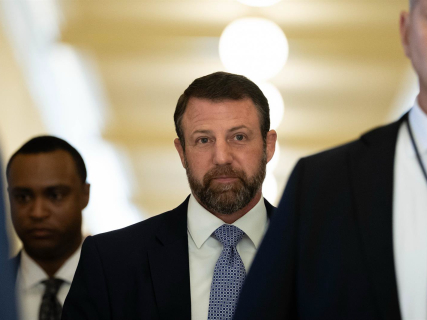
Meanwhile, the Secretary of Homeland Security, Markwayne Mullin, has highlighted that Iranian authorities have launched cyberattacks against "critical infrastructure" in the context of the war that began on February 28, initiated by the United States and Israel.
"Since the conflict with Iran began at the beginning of this year, cyber actors of the Iranian Government and cybercriminals sympathetic to Iran have attacked critical infrastructure networks in the United States," he said to lawmakers.
He specified that, "historically," Tehran's attempts have caused "localized and scarcely disruptive effects" in industrial facilities with deficient security measures, although he warned that vulnerable systems may end up suffering "disruptive consequences".
In the same session, the U.S. Administration dismissed the possibility that a cyberattack was the source of the recent technical failures and computer outages recorded in financial entities, airlines, certain government agencies, and in Microsoft.
The incidents detected in recent days "are not being treated as cyberattacks," Clayton has said, also denying the involvement of any foreign state. "We have investigated it thoroughly," he concluded.