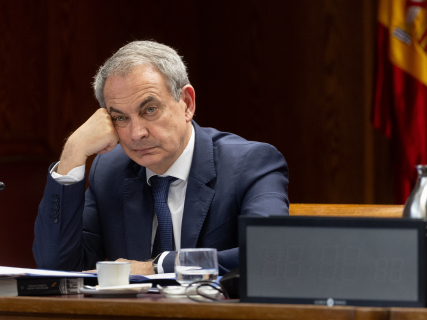

The indictment of former Prime Minister José Luis Rodríguez Zapatero for alleged crimes of influence peddling and belonging to a criminal organization has opened a political and judicial scenario of enormous scope that already transcends Spanish borders.
The confirmation that the United States National Security Department is collaborating with the National Police in the investigations has triggered a question that is beginning to hover over both Madrid and Washington: Can the United States end up initiating its own case against Zapatero or even request his extradition?
For now, there is no formal request or public accusation from the US authorities. However, the international dimension of the case, the connections with Venezuela, and the hardening of American foreign policy towards Chavismo have fueled all sorts of political and legal speculation.
The Key: Venezuela and Washington's Focus
For years, Zapatero has maintained an intense political and diplomatic relationship with Nicolás Maduro's regime, acting as a mediator in various negotiation processes between Chavismo and the Venezuelan opposition. Precisely this closeness is what has placed the former Spanish president under the radar of certain US political and media sectors, especially after Donald Trump's return to the White House and Washington's hardening discourse towards Caracas.
Various reports published in US and Spanish media indicate that federal agencies have analyzed possible financial connections, international intermediation activities, or eventual operations related to economic sanctions imposed on the Chavista circle.
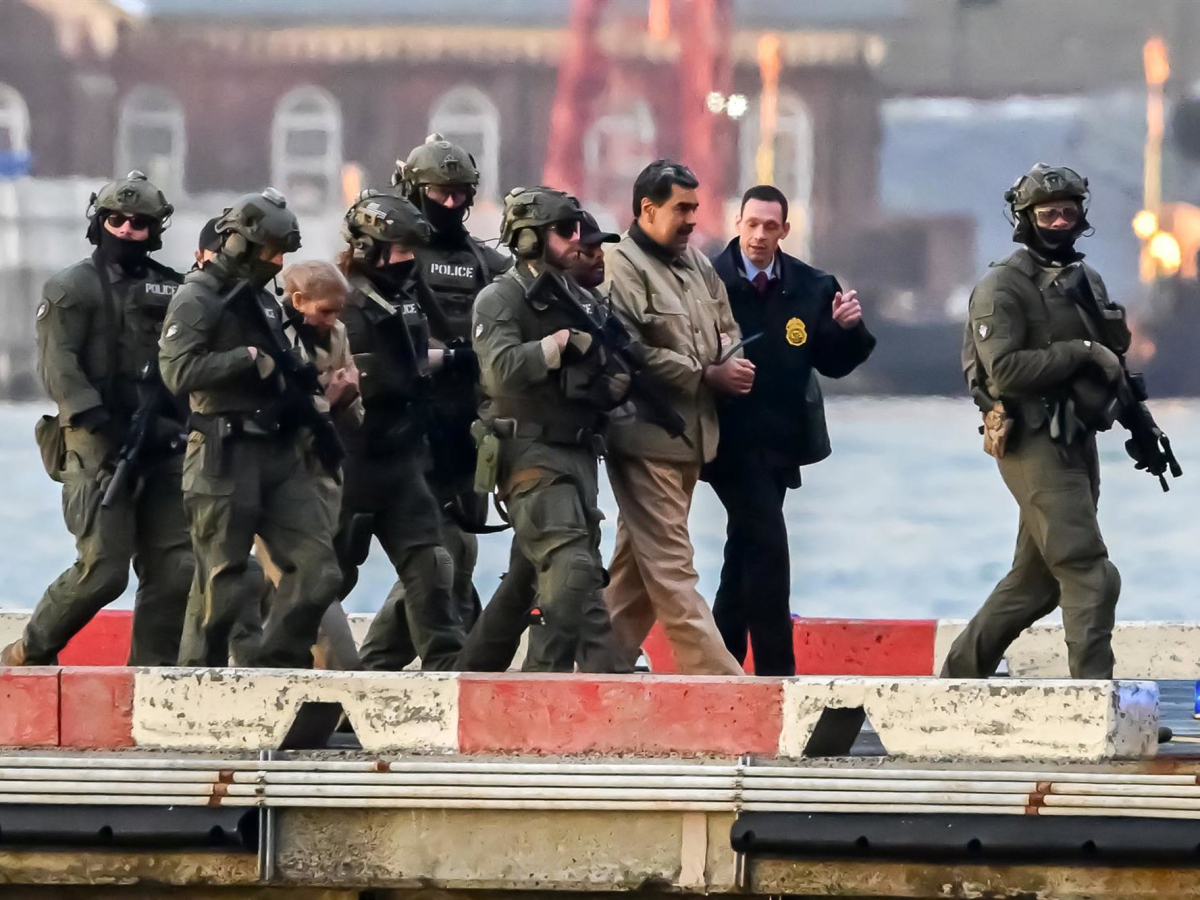
However, preliminary analysis or information gathering is one thing, and the formal opening of a criminal case is quite another. As of today, there is no formal accusation from the United States against Zapatero.
What the US Would Need to Act
The United States cannot automatically prosecute any foreign citizen for maintaining political relations with an internationally questioned government. To open a criminal investigation, it needs to establish a concrete connection with its jurisdiction.
That is where several key elements come into play.
US authorities usually base these types of investigations on issues such as:
-
Use of the dollar financial system
-
Banking transactions with impact in US territory
-
Possible violations of the sanctions regime
-
Alleged money laundering operations
-
International conspiracy
-
Unregistered lobbying activities
-
Acting as an undeclared foreign agent
In other words, political closeness to Chavismo does not constitute a crime in itself in the US. The problem would only arise if Washington considered that certain actions could have violated federal US legislation.
The indictment in Spain would not automatically prevent an extradition
One of the points generating the most legal debate is whether the indictment opened in Spain would block an eventual US claim. The answer is no.
Spanish legislation contemplates that an extradition may be postponed when the person sought is being investigated or tried on national territory, but this does not imply an automatic prohibition. The Passive Extradition Law establishes that delivery will not be granted when the person "has been tried or is being tried in Spain for the same acts." However, this limitation would only apply if the US were to request Zapatero for exactly the same crimes and circumstances that the National Court is investigating.
That is, if Washington were to bring a different case, based on international sanctions, money laundering, or activities under US jurisdiction, the legal situation would change completely.
Furthermore, the bilateral extradition treaty between Spain and the United States allows for the postponement of surrender until proceedings opened in the requested country are concluded, but it does not necessarily prevent a future claim.
The investigation initiated by Judge José Luis Calama following the Plus Ultra rescue has become one of the main focal points of the case. The investigation analyzes possible connections between economic decisions made in Spain and business circles close to Chavismo, a particularly sensitive issue for the United States due to the battery of sanctions imposed in recent years against Venezuelan leaders and financial networks linked to the regime. Precisely for this reason, different political sectors are beginning to interpret the collaboration of US agencies as something more than mere ordinary police cooperation.
The left accuses Washington of trying to provoke a political crisis
Suspicions about possible US political involvement have been fueled directly by sectors of the Government and the parliamentary left.
The parliamentary spokesperson for Izquierda Unida and deputy for Sumar, Enrique Santiago, has openly accused Washington of being behind the recordings and materials that would have led to the former president's indictment.
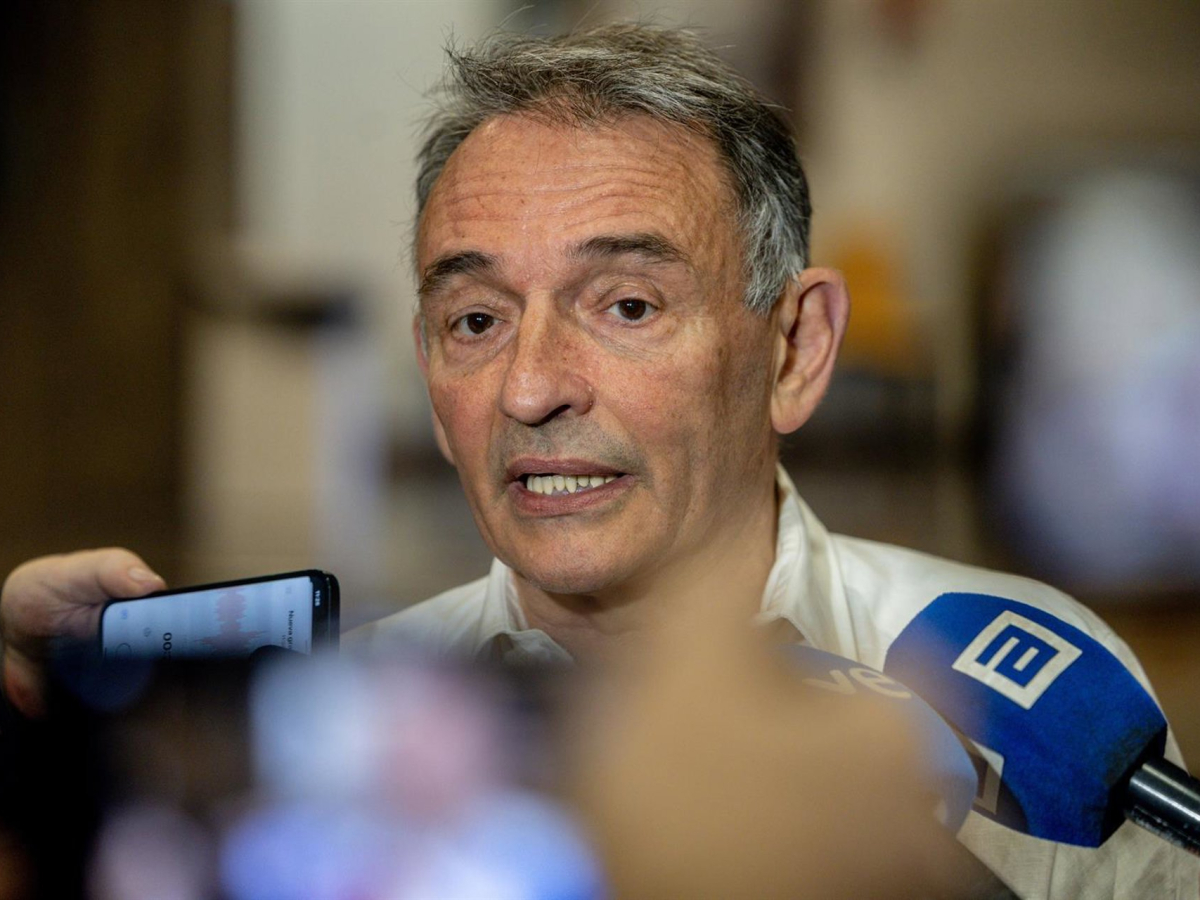
In public statements, Santiago assured that the Trump administration would be trying to "cause a political crisis in the Spanish Government" and send a warning message to those who try to circumvent unilateral sanctions against Venezuela.
The Sumar leader also described the alleged operation as "political interference in the sovereignty of other states."
What real risks would Zapatero face
Although the most extreme scenario—extradition—remains highly hypothetical, legal experts recall that the United States has broad international pressure tools even without needing to bring a person before a federal court.
If the North American authorities considered that there were sufficient indications, the consequences could range from:
-
Entry restrictions or visa revocations
-
Economic sanctions
-
Asset freezes
-
Judicial summons
-
Subpoenas
-
International financial investigations
-
Formal criminal charges
Everything would depend on two fundamental elements: the existence of concrete evidence and the US's ability to justify its jurisdiction over the investigated facts.
For the moment, there is no extradition request on the table nor any known formal accusation from Washington. However, the combination of several factors—the indictment in Spain, the focus on Venezuela, cooperation with US agencies, and Trump's return—has turned the case into an issue with an evident geopolitical dimension.
In political and diplomatic circles, a question is beginning to arise that just a few weeks ago seemed unthinkable: if the investigation escalates and the United States finds offenses under its jurisdiction, could Washington end up launching its own judicial offensive against Zapatero?