The EU prepares a review of copyright after Spain's offensive for generative AI

The European Commission will analyze possible changes to the EU directive on copyright after Spain and seven other member states called for opening the debate on the protection of intellectual property, licenses, and remuneration for creators in the face of the massive use of content to train generative Artificial Intelligence systems.

5 minutes

d869c206 8ad7 43d6 b252 c1a563176258

d869c206 8ad7 43d6 b252 c1a563176258

Add DEMÓCRATA to Google

Published

5 minutes

Most read

Brussels is taking the first steps towards revising the community regulations affecting copyright in the digital single market. The next link in the European Executive's plan now involves gathering all information relating to specific measures that can serve to modernize the European legislative framework regarding licensing and the promotion of a "fairer" market for rights holders, creators, and the cultural industry as a whole.

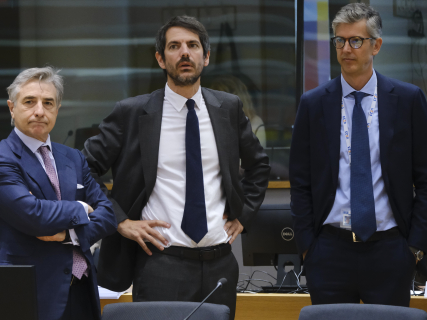
The European Commission's decision comes just a few days after the Spanish delegation, led by the Minister of Culture, Ernest Urtasun, requested during a meeting of the Twenty-Seven that the focus of new community actions in this area be placed on the protection of intellectual property in the context of the development of generative Artificial Intelligence. What the Spanish government was proposing was, in essence, to formally open the conversation about the need to undertake an update of current regulations related to copyright and new models for exploiting digital content.

"We consider it appropriate to draw attention to the need to undertake an exhaustive evaluation of the EU's legislative framework on copyright, taking into account its complexity," stated the document promoted by Spain and also supported by Portugal, Slovenia, Estonia, Germany, Slovakia, and Greece. The text defended the need to adapt European regulatory tools to a technological ecosystem profoundly altered by the rise of generative systems capable of producing texts, images, videos, or musical pieces from large volumes of data extracted from the internet.

Following "the rapid technological and market developments" that are reportedly reshaping both the creative economy and the European digital landscape, the Commission now wants to analyze stakeholders' opinions on the challenges posed by generative AI for licensing and the effective respect of intellectual property rights. Furthermore, Brussels intends to use this review to address other issues related to the fight against online piracy of live events, as well as the remuneration of performing artists and producers for recorded music played in the EU. The EU investigation will also extend to access to works and their reuse for scientific and research purposes.

The concern of Member States

In this regard, the Spanish position expressly involved requesting a study on the impact that Artificial Intelligence could have on cultural and creative sectors, with the intention of initiating discussions among Member States as soon as possible on those measures "that should be considered and carried out at our Union's level." In parallel to the discussions held within the Council of the European Union, Brussels intends to adopt a political decision in the first quarter of next year, which would accelerate the EU regulatory timeline.

Featured story

Economy

Although, at first, the call is aimed at exploring an update of the 2019 directive on copyright in the digital single market, the European Commission does not rule out a possible specific legislative initiative on copyright and Artificial Intelligence. In Brussels, they acknowledge that the pace of technological evolution has surpassed some of the forecasts considered when the current regulatory framework was approved.

Urtasun's team considers that current legislation is insufficient to address the licensing of copyright-protected material intended for the training of generative AI systems. This stance also coincides with that of the European Parliament, which even approved a resolution expressly stating the need to develop a new additional framework to clarify this issue, as well as specific mechanisms to address possible infringements arising from current intellectual property regulations.
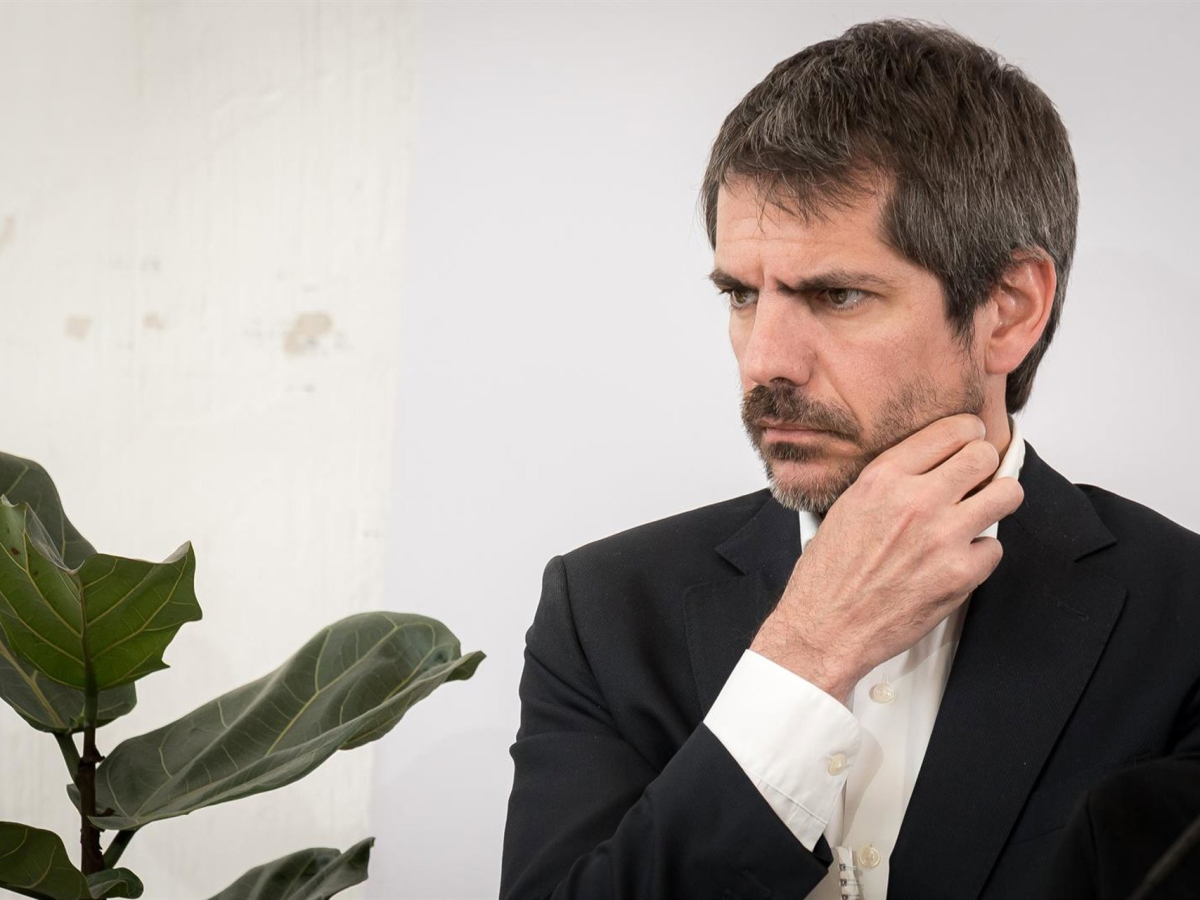
El ministro de Cultura, Ernest Urtasun, durante una rueda de prensa en conjunto de Movimiento Sumar, Comuns, Más Madrid e IU, a 20 de abril de 2026, en Madrid (España). Diego Radamés - Europa Press
The Minister of Culture, Ernest Urtasun, during a joint press conference of Movimiento Sumar, Comuns, Más Madrid and IU, on April 20, 2026, in Madrid (Spain). Diego Radamés - Europa Press -

For this reason, the document that Spain and its partners brought to the Council table proposed strengthening the effective cooperation between generative AI tool providers, creators, and other rights holders. The underlying idea would be to develop a functional licensing market “that restores the bargaining power of rights holders and offers viable protection solutions”.

Fear of economic and democratic impact

Beyond the risk related to the disappearance of the human perspective in certain cultural processes, Moncloa fears that these issues may end up jeopardizing the very economic viability of the European cultural sector. In fact, the text to which Demócrata had access and which reflected this concern warned of a possible “existential risk” for European society and democracy, to the extent that these practices can contribute to blurring “the lines between truth and falsehood” or to “altering the perception of discourses and their authors while modifying cognitive faculties”.

In Brussels, Spanish representatives are working on a strategy whereby the European Union will not limit itself solely to supervising the use of Artificial Intelligence, but will also look towards the development of economic compensation mechanisms for rights holders affected by the training and use of these generative systems. The intention is to explore formulas that allow for fair remuneration for authors whose content is used to feed algorithmic models.

Featured story

Congress and Senate

While it is true that, at the time, the EU directive was conceived with the aim of harmonizing copyright within the digital single market, establishing rules that pursued a balance between the interests of creators, cultural institutions, and users in a constantly transforming technological environment, the rise of generative AI has substantially altered the landscape. Among the key points, the directive introduced mandatory exceptions to facilitate text and data mining, digital education, and the preservation of cultural heritage. Similarly, it aimed to improve the position of authors through fairer remuneration and greater transparency in the exploitation of their works.

However, the legislative text did not include an explicit reference to the new Artificial Intelligence services that have emerged in the cultural and creative landscape in recent months. The regulation focused mainly on the regulation of text and data mining, i.e., the fundamental technical process by which AI models are trained. Precisely for this reason, Urtasun urged European co-legislators to concentrate their efforts on three specific issues: “the limit of text and data mining for training AI models for commercial purposes; the legal certainty of intellectual property rights involved in training and generating content by AI; and transparency regarding the content used for AI training”.
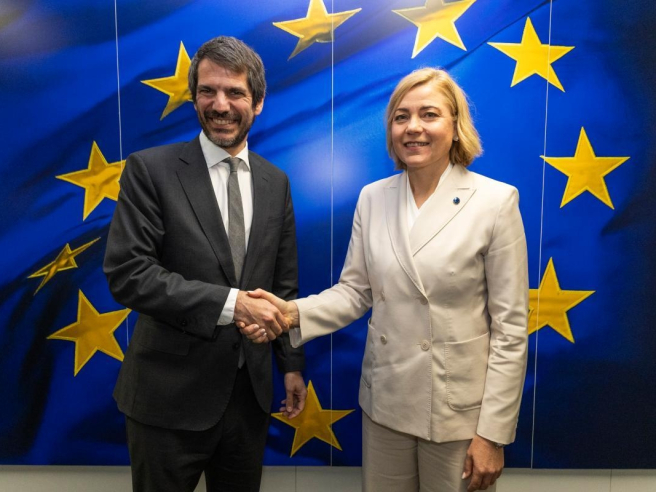
Handshake between Ernest Urtasun, on the left, and Henna Virkkunen
Handshake between Ernest Urtasun, on the left, and Henna Virkkunen -

Behind this political and regulatory offensive lies a growing concern in European institutions: the possibility that the European Union may lag behind other technological powers in defining regulatory standards for Artificial Intelligence and intellectual property. Brussels believes that the challenge is not only to protect European creators but also to ensure the sustainability of a cultural ecosystem that represents one of the continent's strategic economic sectors.

The review of copyright regulations could thus become one of the major regulatory debates of the next European political cycle. Especially at a time when Community institutions are trying to balance the promotion of technological innovation with the protection of fundamental rights, creativity, and European cultural competitiveness.

More key points, information and questions with FREN

AI-GENERATED CONTENT

¿En qué estado parlamentario se encuentra actualmente la posible reforma de la directiva europea sobre derechos de autor?

Estado parlamentario actual de la reforma de la directiva europea sobre derechos de autor en España

Actualmente, no existe en el Congreso de los Diputados una tramitación parlamentaria abierta ni una iniciativa legislativa en curso específicamente dedicada a la reforma de la directiva europea sobre derechos de autor. La única referencia encontrada en los registros parlamentarios es una pregunta escrita dirigida al Gobierno, que ya ha sido respondida y cuyo expediente está concluido. Por tanto, no hay debate ni votación parlamentaria activa sobre este asunto en el ámbito nacional.

Detalles sobre la búsqueda y el expediente relacionado

En la base de datos parlamentaria consultada, no aparece ninguna iniciativa legislativa (proyecto de ley, proposición de ley, etc.) relacionada directamente con la reforma de la directiva europea sobre derechos de autor. El único expediente vinculado es una pregunta escrita (identificador 184/014921), que fue publicada el 14 de octubre de 2024 y respondida por el Gobierno el 18 de noviembre de 2024. Este expediente no implica tramitación legislativa, enmiendas ni votaciones, ya que se trata únicamente de una consulta parlamentaria al Ejecutivo.

En consecuencia, no hay ponencias, comisiones ni procesos de enmienda o votación asociados a una reforma de la directiva europea sobre derechos de autor en el Parlamento español en este momento. Si su interés se centra en el proceso europeo o en otras iniciativas nacionales relacionadas con la transposición o posicionamiento sobre la directiva, sería necesario consultar fuentes del Parlamento Europeo o ampliar la búsqueda a otras iniciativas nacionales.

No se dispone de más información en las fuentes consultadas.

¿Qué posición ha expresado el Gobierno español sobre la reforma de la directiva europea de derechos de autor? ¿Existen iniciativas similares en el Parlamento Europeo actualmente en tramitación? ¿Qué impacto tendría una reforma de la directiva europea sobre derechos de autor en la legislación española?

¿Cuáles son las principales competencias del ministro de Cultura en materia de derechos de autor según la legislación española?

Principales competencias del ministro de Cultura en materia de derechos de autor según la legislación española

El ministro de Cultura en España tiene un papel central en la protección, regulación y promoción de los derechos de autor. Sus competencias están definidas principalmente por la Ley de Propiedad Intelectual y la normativa que regula el funcionamiento de las entidades de gestión colectiva, así como por las funciones atribuidas al Ministerio de Cultura en el organigrama del Gobierno.

Competencias clave en derechos de autor

Entre las principales competencias del ministro de Cultura en materia de derechos de autor destacan:

  • Elaboración y propuesta de normativa: El ministro impulsa y propone reformas legislativas en materia de propiedad intelectual, incluyendo la adaptación de la legislación española a las directivas europeas y a los tratados internacionales.
  • Supervisión de entidades de gestión: El Ministerio de Cultura supervisa y controla a las entidades de gestión colectiva de derechos de autor, autorizando su funcionamiento y velando por el cumplimiento de sus obligaciones legales.
  • Resolución de conflictos: A través de la Sección Primera de la Comisión de Propiedad Intelectual, dependiente del Ministerio, se resuelven conflictos entre usuarios y entidades de gestión, así como reclamaciones sobre tarifas y licencias.
  • Fomento y protección de los derechos de autor: El ministro promueve campañas de sensibilización, apoya la creación cultural y defiende los intereses de los autores y titulares de derechos frente a la piratería y el uso ilícito de obras.
  • Representación internacional: El Ministerio representa a España en foros internacionales sobre propiedad intelectual, como la OMPI y la Unión Europea, participando en la negociación de tratados y directivas.
Órganos y mecanismos de actuación

El Ministerio de Cultura actúa a través de órganos como la Dirección General de Industrias Culturales, Propiedad Intelectual y Cooperación y la Comisión de Propiedad Intelectual. Además, tiene capacidad para dictar resoluciones administrativas, imponer sanciones y coordinar políticas públicas en la materia.

No se dispone de más información en las fuentes consultadas sobre detalles adicionales o ejemplos concretos de actuaciones recientes del ministro en este ámbito.

¿Qué reformas recientes ha impulsado el Ministerio de Cultura en materia de derechos de autor? ¿Cómo funciona la Comisión de Propiedad Intelectual y qué papel tiene en la resolución de conflictos? ¿Qué entidades de gestión colectiva están autorizadas actualmente por el Ministerio de Cultura?

¿Qué requisitos legales debe cumplir la UE para aprobar una nueva normativa específica sobre derechos de autor e inteligencia artificial?

Requisitos legales para que la UE apruebe una normativa sobre derechos de autor e inteligencia artificial

Para que la Unión Europea apruebe una nueva normativa específica sobre derechos de autor e inteligencia artificial, debe seguir un proceso legislativo claramente definido en los Tratados de la UE. Este proceso implica la propuesta de la Comisión Europea, la participación del Parlamento Europeo y el Consejo de la UE, así como el cumplimiento de los principios de subsidiariedad y proporcionalidad. Además, la normativa debe respetar los derechos fundamentales recogidos en la Carta de Derechos Fundamentales de la UE y estar alineada con los tratados internacionales sobre propiedad intelectual.

Fases clave del proceso legislativo europeo

El procedimiento legislativo ordinario es el más común para este tipo de normativas. Los pasos principales son:

  • Propuesta de la Comisión Europea: La Comisión, como órgano ejecutivo, elabora y presenta la propuesta de normativa, tras realizar consultas públicas y evaluaciones de impacto.
  • Primera lectura en el Parlamento Europeo y el Consejo: Ambas instituciones revisan la propuesta, pueden sugerir enmiendas y deben llegar a un acuerdo sobre el texto final.
  • Segunda lectura y conciliación: Si no hay acuerdo en la primera lectura, se inicia una segunda ronda de revisiones y, si es necesario, un comité de conciliación.
  • Aprobación y publicación: Una vez aprobado el texto por ambas instituciones, se publica en el Diario Oficial de la UE y entra en vigor en la fecha establecida.
Requisitos legales y principios aplicables

La normativa debe cumplir con:

  • Base jurídica adecuada: Debe fundamentarse en los artículos pertinentes de los Tratados de la UE, como el artículo 114 del TFUE para la armonización del mercado interior.
  • Principio de subsidiariedad: Solo puede legislarse a nivel europeo si los objetivos no pueden alcanzarse de manera suficiente por los Estados miembros.
  • Principio de proporcionalidad: La acción de la UE no debe exceder lo necesario para alcanzar los objetivos.
  • Respeto a los derechos fundamentales: La normativa debe ser compatible con la Carta de Derechos Fundamentales de la UE, especialmente en lo relativo a la protección de datos, libertad de expresión y derechos de propiedad intelectual.
  • Compatibilidad con tratados internacionales: Debe respetar acuerdos internacionales como los tratados de la OMPI y la OMC sobre derechos de autor.
Consideraciones específicas para inteligencia artificial

En el caso de la inteligencia artificial, la UE ha desarrollado marcos regulatorios específicos, como la propuesta de Reglamento de IA, que establece requisitos adicionales sobre transparencia, responsabilidad y ética. Cualquier normativa sobre derechos de autor e IA debe coordinarse con estos marcos para evitar contradicciones y garantizar la coherencia regulatoria.

No se dispone de más información en las fuentes consultadas sobre procedimientos internos específicos o ejemplos recientes de normativas conjuntas sobre derechos de autor e inteligencia artificial en la UE.

¿Qué iniciativas recientes ha tomado la UE en materia de derechos de autor y tecnología digital? ¿Cómo afecta la normativa europea de inteligencia artificial a las empresas españolas? ¿Qué papel tiene el Parlamento Europeo en la aprobación de leyes sobre propiedad intelectual?

Play

Test your knowledge with FREN!

How much do you know about this topic? Answer the following 3 questions.

¿Qué país lideró la petición para que la UE revise la normativa de derechos de autor ante el avance de la IA generativa?

Question 1 of 3

¿Cuál es uno de los principales objetivos de la revisión de la normativa europea sobre derechos de autor?

Question 2 of 3

¿Qué aspecto quedó fuera de la directiva europea de 2019 sobre derechos de autor?

Question 3 of 3

Hola, soy Fren. ¿Cómo te ayudo?