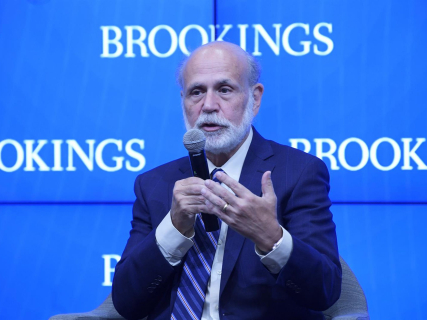

Anthropic has announced the incorporation of Ben Bernanke, former chairman of the U.S. Federal Reserve (Fed) from 2006 to 2014, as a new partner of its Long-Term Benefit Trust Fund, an independent body responsible for overseeing that the company maintains its commitment to the responsible development of artificial intelligence for the benefit of humanity.
This fund has the capacity to appoint members to the board of directors of the AI 'startup', and its partners advise Anthropic's senior management on decisions that the company describes as "crucial," especially those related to the potential risks and social consequences derived from the use of AI.
With this appointment, the former head of the Fed, who steered the institution through the years of the financial crisis, will contribute his experience to guide the company on how artificial intelligence is modifying the functioning of the economy. His work will focus mainly on economic research, although he will also collaborate on other lines of work within Anthropic.
Bernanke was the "guardian of the dollar" between 2006 and 2014, playing a key role in the period following the great financial crisis of 2008. Before his time at the Federal Reserve, he developed an extensive academic career as an economist for more than twenty years, mostly at Princeton University, where he chaired the Economics department and produced a solid body of studies on the Great Depression and the role of the banking system in financial crises, a trajectory that earned him the Nobel Prize in Economics in 2022.
"Anthropic has created a unique governance structure to ensure that the long-term benefits of AI for humanity far outweigh the risks. I am honored to have this opportunity and will try to contribute in any way I can to this crucial mission," said Ben Bernanke.
For her part, Anthropic co-founder and president, Daniela Amodei, highlighted that "AI could have the most significant economic effects of any technology in modern history, and Anthropic has the dual responsibility of understanding those effects and acting accordingly. Ben's professional trajectory ranges from studying how economies react to disruptive moments to helping guide the world's largest economy through one of those periods."