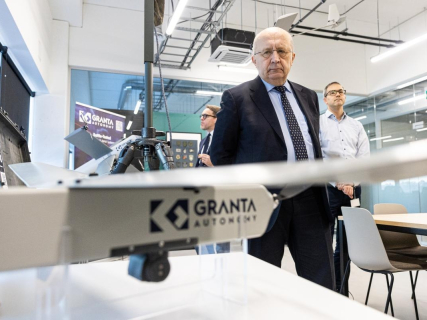

In the community capital, there is a shared sentiment in the defense sector. Europeans have begun to increase their efforts to guarantee not only the security of the continent but also that of their allies, in a context where threats are perceived as increasingly close. However, in Brussels, the impression is growing that this is still not enough. The bloc's companies are not fully taking off or achieving global leadership, which would be leading the Twenty-Seven to a kind of contained disappointment regarding the real capabilities of the European defense industry.
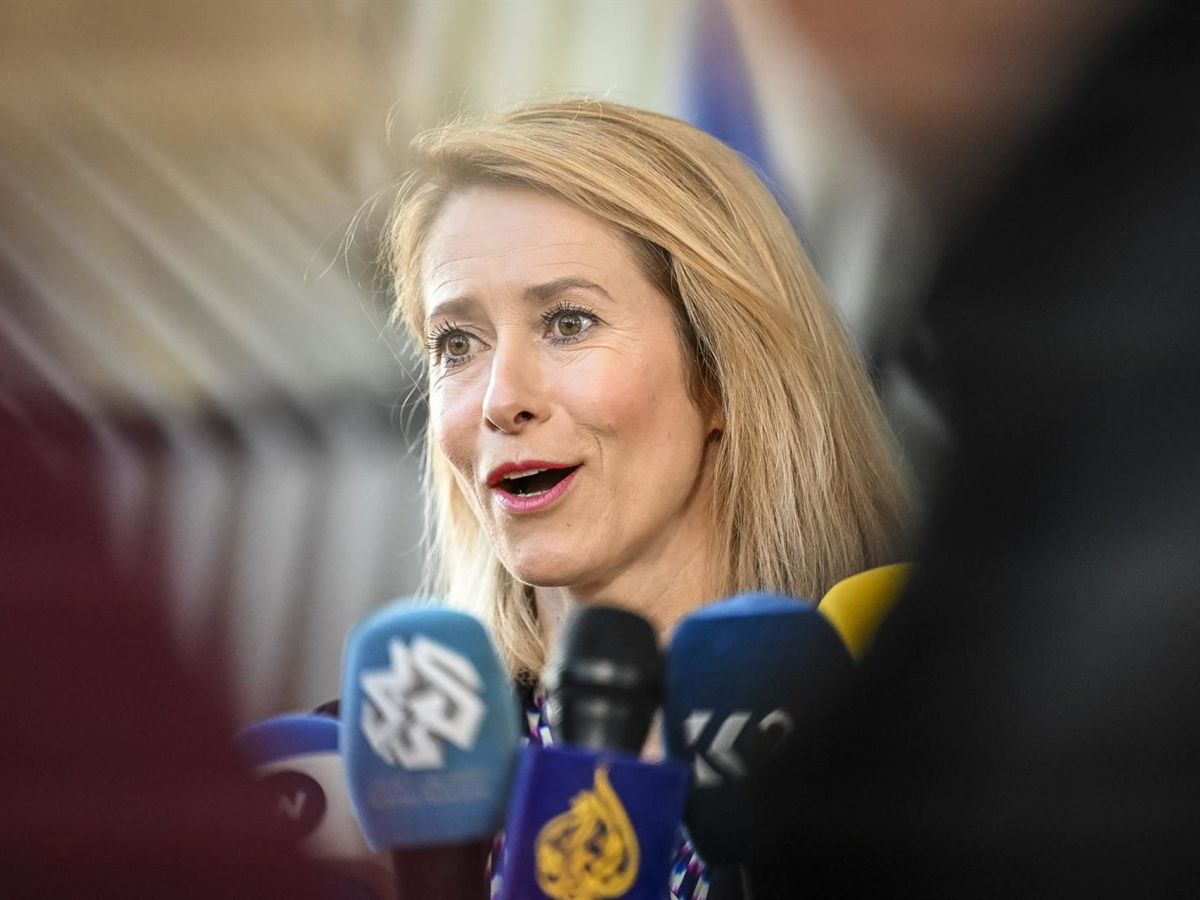
This was conveyed by the head of the community's diplomacy herself, Kaja Kallas, during a meeting held this Tuesday in the Belgian capital with the Defense Ministers of all Member States, as well as with industry representatives who attended the event. "I share your frustration because my feeling is the same. Somehow, the industry has not lived up to our expectations in terms of production," she stated at the end of the meeting.
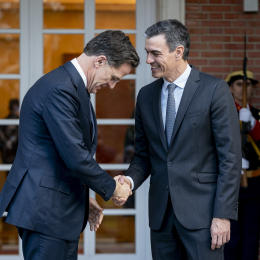
Kallas's words reflect a growing concern in community institutions. Although the war in Ukraine caused an unprecedented increase in European military spending and accelerated rearmament plans, the reality is that Brussels continues to detect significant structural deficiencies in the sector. European Commission officials are more cautious than the high representative herself, although they openly acknowledge that the current system has numerous shortcomings.
Community offices are now operating under a new dichotomy. On the one hand, they argue that the European defense industry is a fundamental driver for the continent's competitiveness and its strategic autonomy. On the other hand, they admit that the sector "lacks scale and is not reaching its full potential." "While EU companies in the defense sector are globally competitive, they suffer from structural weaknesses, decades of underinvestment, and strong market fragmentation," explains the community spokesperson in charge of the sector, Thomas Regnier, in conversation with Demócrata.
A fragmented and dependent market
The fragmentation of the European market continues to be one of the main obstacles to the development of a genuine common military industry. Unlike the United States, where there is a centralized strategy and large conglomerates capable of producing on a large scale, Europe continues to operate through multiple national procurement, production, and certification systems.
This generates duplication, increases costs, and hinders interoperability between the different European armies. In practice, Brussels believes that the response to reverse this situation involves promoting greater coordination at the community level, something that could be "fundamental" for financing, developing, producing, and maintaining all the necessary defense capabilities and infrastructures on the continent.
“Our defense industry must be capable of offering the full range of capabilities and become a driver of innovation for the entire economy,” states Regnier. The idea that is beginning to gain traction in European institutions is that defense can no longer be understood solely from a military perspective, but also as a key economic, technological, and industrial factor for the future of the continent.
The first step of this community strategy would be the regulation proposed by Brussels on military mobility, whose intention is to provide an "adequate" common framework to ensure smooth and seamless military transport "at high speed and on a large scale." The initiative seeks to eliminate regulatory obstacles, harmonize cross-border permits, and ensure resilient infrastructure and operational capability ready to respond quickly to potential crises.
This so-called "military Schengen" establishes a maximum processing time of three days and includes specific rules for emergency situations within the new procedures for military transport. Furthermore, the new European Enhanced Military Mobility Response System will be activated in times of crisis and will allow, according to the Community Executive, to quickly prioritize military movements throughout the European Union.
The European technological challenge
However, beyond logistical coordination and increased investment, Europe faces another particularly delicate challenge: the brain drain and technology flight to third countries. The problem particularly worries Brussels because it directly affects the continent's future competitiveness in areas considered strategic.
As recently indicated by the head of the Force Development Division of the Joint Chiefs of Staff of Defense, Major General Carlos Javier Frías, technological innovation and artificial intelligence applied to the military field already constitute a genuine “matter of survival” for the Armed Forces. The military official also insisted on the need to “seek a European market” that allows retaining both investment and knowledge within community borders.
The concern is not minor. Numerous European startups specializing in artificial intelligence, cybersecurity, autonomous systems, or dual-use technologies end up seeking funding in the United States or Asian markets, where they find greater investment facilities and a much more developed business scale.
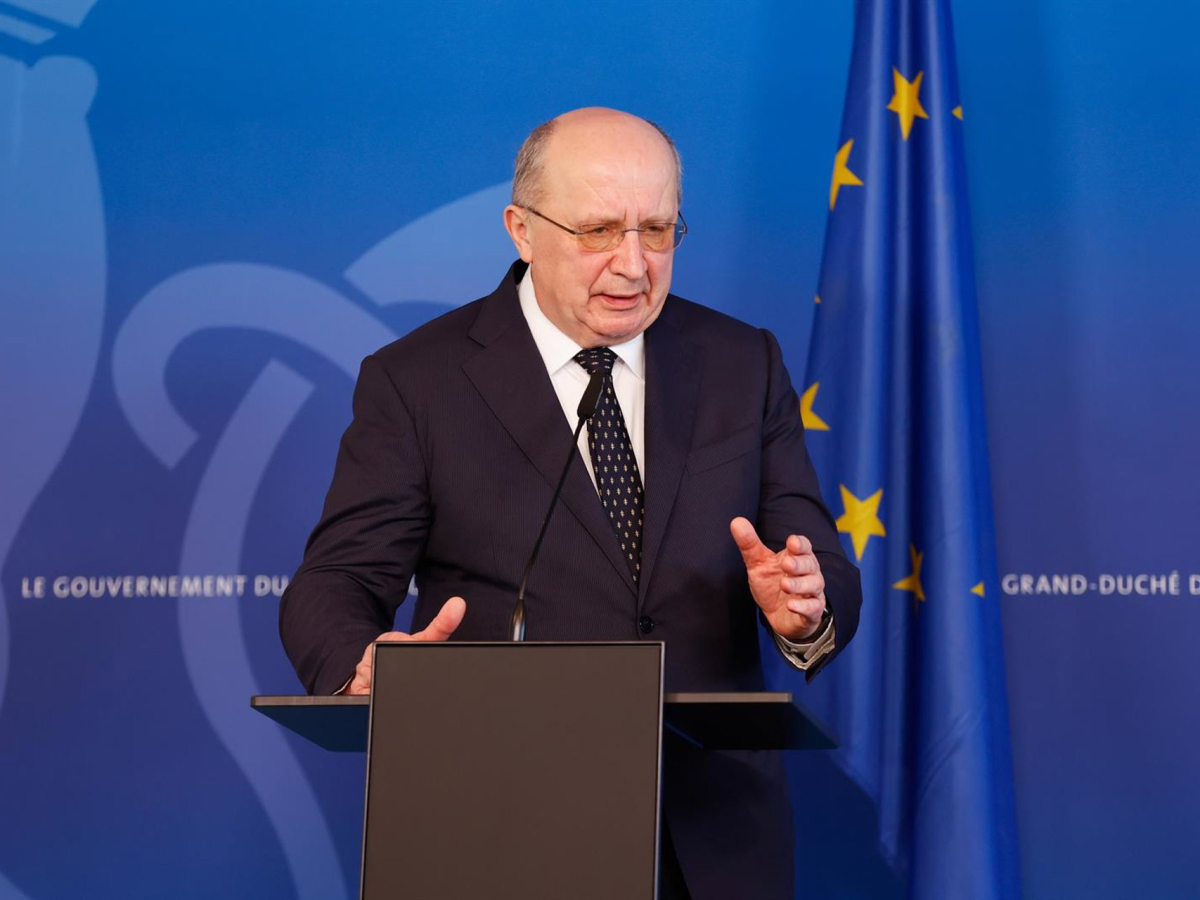
Along these lines, the New European Innovation Agenda, presented by Brussels, constitutes one of the “strategic” pillars of the continent's technological sovereignty. The objective is to position the European Union “as a world leader in the advanced technologies revolution”.
Community sources explain that, by prioritizing access to financing for companies in the expansion phase and creating the so-called “Regional Innovation Valleys”, the aim is to ensure that high-potential startups have the necessary resources to grow within European borders, thus avoiding dependence on foreign capital. The ultimate goal is to build an ecosystem where innovators can feel supported throughout their business life cycle.
The battle for talent
Another of the major open fronts is that of talent acquisition. Brussels fears falling behind in the global race to attract specialists in artificial intelligence, advanced computing, biotechnology, or green technologies.

Therefore, the regulation on the Talent Reserve established the first platform at the level of the Twenty-Seven aimed at systematically connecting international specialists with high-demand technological positions. “It simplifies the complex hiring process for positions with staff shortages in AI, green technologies, and biotechnology, making the EU a more agile competitor in attracting global human capital,” they argue from the Directorate-General for Defence of the Community Executive.
The European strategy starts from a clear premise: without talent, there will be no technological autonomy or competitive military capacity. In Brussels, they are aware that modern defense depends as much on engineers and scientists as on the armament systems themselves.
Infrastructure to Retain Innovation
The last link in the community plan is the EU Strategy on Research and Technology Infrastructure, based on the principle that top-level talent will always gravitate towards the most advanced physical and digital tools available.
By modernizing and integrating access to cutting-edge facilities—such as high-performance supercomputers or advanced biological laboratories—the European Commission aims to offer a tangible incentive for researchers and companies to remain on the continent.

Featured story
Susana del Río: "The strengthening of European Defense is the key to our common Security"
12 minutes
These infrastructures function, in practice, as genuine poles of attraction for innovation, providing specialized environments where the next generations of European technological advances can be developed.
NATO, the European Way
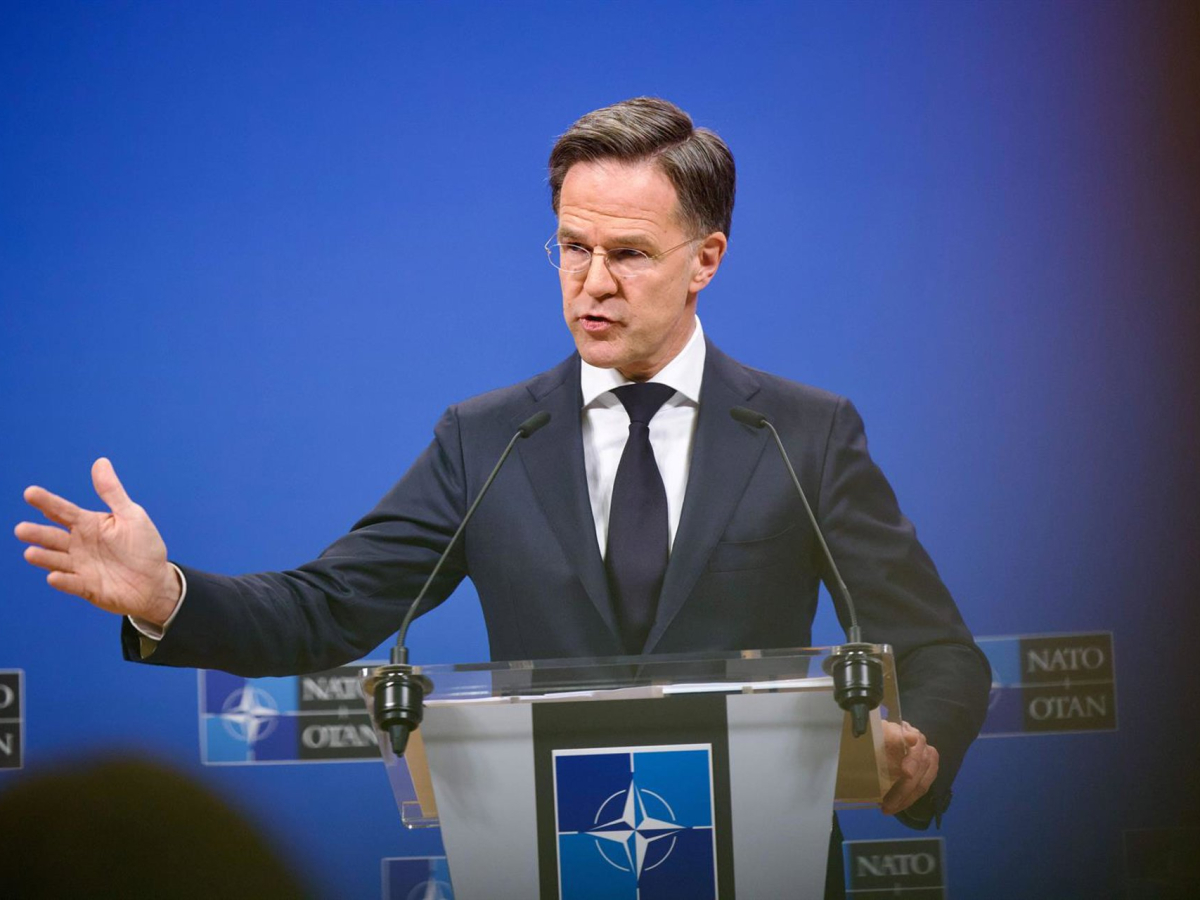
At a time when there is increasing talk of a possible “European arm of NATO”, the Secretary General of the Atlantic Alliance, Mark Rutte, expressed optimism this very week by stating that the bloc “is extraordinarily strong” after the decisions adopted in The Hague last year and a few months before the next annual summit to be held in Ankara, Turkey.
However, Rutte shares Kallas's diagnosis on the need to take a new step. As he argued, the great challenge now will be “to convert defense investment money into real critical capabilities”.
Brussels insists that confronting threats such as Russia, instability in the Middle East, or hybrid challenges requires close collaboration with international partners. When EU officials speak of strategic cooperation, they are particularly thinking of the United Kingdom, Norway, Canada, the United States, and Indo-Pacific partners, in addition to candidate countries for enlargement and European neighbors most aligned with EU policy.
With the caution that traditionally characterizes European moves in defense matters, the Twenty-Seven are now observing the development of these new industrial policies with the hope that they will transform the continent's position in the coming years. The effectiveness of this strategy, they admit in Brussels, will ultimately be measured by three main indicators: an increase in joint acquisitions, improved European military readiness, and the capacity to maintain sustained support for Ukraine.