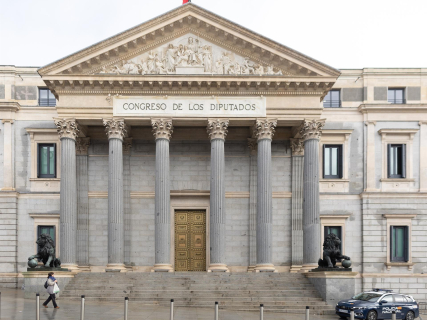
The composition of the new Congress following the general elections of November 29 will determine which formations may constitute their own parliamentary group. The Chamber will debut a modification of its Rules of Procedure that changes the requirements for parties that do not reach the 15 MPs required as a general rule.
The reform of article 23 of the Rules of Procedure of the Congress was published in the Official State Gazette on July 28, 2026. The text establishes that MPs who reach the minimum of 15 seats may form a parliamentary group. It also contemplates an alternative route for formations that obtain at least five MPs and meet one of these two requirements: an average of 10% of the valid votes in the set of constituencies in which they have obtained representation or 3% of the valid votes cast across Spain.
What changes with respect to the previous rule
The modification lowers the thresholds for the alternative route. Previously, the Rules of Procedure required formations that did not reach 15 seats a minimum of five MPs and, in addition, 15% of the votes in the constituencies in which they had stood for election or 5% of the valid votes nationwide.
With the new wording, those percentages go to 10% and 3%, respectively. The minimum of five MPs remains.
The reform applies in the XVI legislature
The final provision of the reform expressly states that the new wording of article 23 will enter into force in the XVI legislature. For this reason, its application corresponds to the Congress that is constituted after the 29N elections, as long as these give rise to that legislature.
The rule also maintains two limits: MPs from the same party cannot constitute separate parliamentary groups and neither can political formations that have not faced each other before the electorate do so separately.