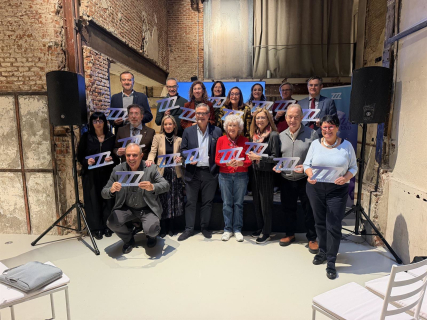










The president of the Spanish Society of Dual Pathology and member of the Sanitary Group of the Alliance for Sleep, Dr. Carlos Roncero, has requested the implementation of a nationwide strategy to reduce the high consumption of benzodiazepines in Spain. At the same time, he has emphasized that the withdrawal of these medications must be done in a progressive and planned manner, with professional support.
"Until now, isolated initiatives have been launched to achieve this and, for example, some structured interventions in Primary Care have tripled the proportion of patients who stop the treatment. In light of this, it is time to take a step forward toward a national strategy focused on reducing the high consumption of benzodiazepines in Spain," he specified at the presentation of "Connected by Sleep," during the Annual Sleep Summit 2026-27.
The platform "Connected by Sleep" is presented as a free training resource for healthcare professionals, with the aim of optimizing the diagnosis and treatment of chronic insomnia in the clinic. This space offers clinical materials and communication tools that make it possible to adapt the approach to insomnia to the characteristics and needs of each patient, with content developed and endorsed by specialists from different areas.
In this regard, the member of the Sanitary Group of the Alliance for Sleep and of the Mental Health Working Group of the Spanish Society of General Practitioners and Family Medicine (SEMG), Dr. Lorenzo Armenteros, has detailed that the goal is to provide professionals with training that is eminently practical and directly applicable in the consultation. As he has indicated, around 14% of the adult population in Spain suffers from chronic insomnia, a problem whose management requires adjusting clinical objectives and therapeutic options to each case.
TRAINING TO IMPROVE THE APPROACH TO INSOMNIA
Armenteros stressed that the relationship and exchange of information between the healthcare professional and the patient constitute a key pillar of treatment, as they can help achieve better diagnosis, greater adherence, and more satisfactory therapeutic outcomes. He also insisted that chronic insomnia is a disorder in its own right and that Primary Care plays a fundamental role in its detection and management.
During the Annual Sleep Summit 2026-27, the experience of people with chronic insomnia has also been analyzed, in a session in which a patient and the coordinator of the Sanitary Group of the Alliance for Sleep, the doctor Odile Romero, responsible for the Sleep Unit of Hospital Vall d'Hebron and of the Hospital Quirónsalud of Barcelona.