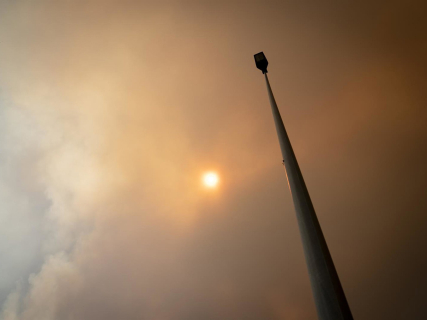

The regional director for Europe of the World Health Organization (WHO), Dr. Hans Henri P. Kluge, has warned that smoke from wildfires "can travel long distances, worsening heart and respiratory conditions and affecting Mental Health."
He emphasized that these consequences occur "especially among older people, children, pregnant women, and those suffering from chronic diseases," referring to the fires declared in recent days in various parts of the continent, including Spain. Additionally, he reminded that these episodes "can also disrupt access to medical care and other public services."
The WHO official pointed out that wildfires have increased by 57 percent in Europe in the last four years, with "a sharp rise" in certain areas between January and July of the current year. In this context, he specified that "Portugal and Spain have recorded an increase of more than 100 percent in reported wildfires compared to the same period in 2025."
As Kluge emphasized, "wildfires destroy homes and livelihoods, force the evacuation of populations, and place enormous pressure on emergency services and health systems," and that, "tragically, they also take lives."
WHO Recommendations Regarding Smoke from Wildfires
Regarding the protection of the population, he insisted that "people living in affected areas or passing through them should follow official recommendations, stay away from active fires when safe, avoid unnecessary travel, and wear a well-fitting protective mask if they must go outdoors near wildfire smoke."
He also stressed that "anyone experiencing difficulty breathing or chest pain should seek medical attention," and pointed out that "governments can protect the population by providing timely alerts about wildfires, adverse weather conditions, and air quality, clear health advice, and accessible Primary and emergency care."
In this line, he has emphasized that "those who are at greater risk also need access to spaces with clean and air-conditioned air, helplines, and specific support." In his opinion, "as climate change drives global warming, we must prepare for more frequent and intense wildfires."
Finally, he has reminded that "at WHO/Europe, we work with countries to assess risks, plan emergencies, develop guidelines to protect people from smoke and extreme heat, and make health services and facilities more resilient."