
The extraordinary extension of rental contracts reaches a decisive moment without a key piece of data: how many tenants have requested to avail themselves of it. So far, there is no official public balance of the number of requests registered, which has made the absence of figures part of the debate on the measure itself.
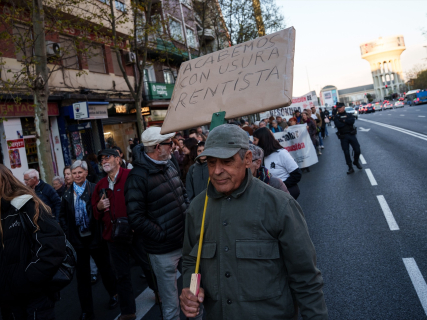
Yes, there are, however, signs of use and mobilization. Tenant organizations have reported in recent weeks an increase in inquiries and thousands of downloads of burofax templates to request an extension.

Featured story
Consumer Affairs drafts a burofax so that the tenants request the lease extension
1 minute
Added to this is the action of the Ministry of Consumption, which sent 541 letters to large holders —after another 13 previous ones— reminding them of the obligation to accept the extension when requested by the tenant in the foreseen cases.
That movement has coexisted with another central element: the legal uncertainty about what happens to those who have already requested to take advantage of the measure. That is, for many jurists, one of the most sensitive points of the debate.
What happens with the applications already submitted
A good part of the discussion has shifted to the requests that would have already been made while the rule is in effect. Some legal interpretations maintain that these requests would have produced effects and should not be affected by a subsequent eventual change, while others warn of possible interpretative controversies.
That scenario has fueled doubts among tenants about the legal certainty of a measure that, moreover, has a broad potential impact. Estimates of a large volume of potentially affected contracts have been discussed in the public debate, although these figures do not equate to applications actually submitted.
A debate with more questions than figures
The lack of an official record of how many households have resorted to this route has shifted the focus less to the numbers and more to the legal and practical unknowns about its application.
Thus, the rent extension reaches its decisive moment with a paradox: much discussion about its scope, signs of demand among tenants and, at the same time, absence of official data on how many people have tried to avail themselves of it. That void is today one of the main keys to understanding the debate.
What will happen in the vote?
The vote on the rent decree-law reaches Congress at the deadline for its validation and with the future of the measure at stake. What is being decided is the continuity of the automatic extension of rental contracts for up to a maximum of two years and the 2% limit on rent updates, a measure that, according to the Ministry of Consumption, affects approximately one million households in which 2.7 million people live.
The rule was born in an extraordinary Council of Ministers held on March 20 within the economic response plan to the Iran war, after an internal negotiation within the Government that ended up separating this measure into a specific decree. Its objective was to prevent the expiration of contracts signed during the pandemic from translating into unaffordable increases for tenants.

The vote arrives marked by the rejection expressed by PP, Vox, and Junts, although this last formation had maintained conversations about possible support linked, among other issues, to concerns about illegal occupation and tax reductions. According to the text, there were even previous contacts to explore support, although Junts would have discarded the offer made.
The political context has also been strained by the deterioration of relations between Junts and the Government, aggravated by recent public exchanges. In that scenario, the vote not only tests the future of the rent extension, but also the Executive's margin in Congress and its ability to move forward with measures in this legislature.