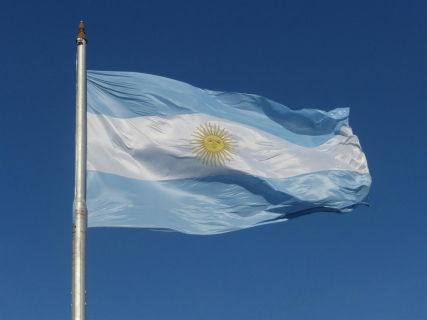

The public pension system of Argentina will be updated again in May. The National Social Security Administration (ANSES) will apply a new increase linked to inflation, after the National Institute of Statistics and Censuses (INDEC) placed the March CPI at 3.4%.
The increase will affect retirements, pensions, and other social benefits, as the current mobility mechanism uses the evolution of prices as a reference to review the amounts monthly.
How do pensions end up?
With the May update, the minimum retirement in Argentina will be 393,250.17 Argentine pesos, while the maximum benefit will rise to 2,646,201.23 pesos.
These amounts correspond to the monthly base salary and do not include possible extraordinary reinforcements that the Government may maintain or approve additionally.
Pensions and aid also rise
The adjustment also reaches the rest of the benefits of the Argentine pension system. The Universal Pension for Older Adults (PUAM) will be set at 314,600.13 pesos.
For their part, the non-contributory pensions for disability or old age will rise to 275,276.32 pesos.
The extraordinary bonus
If the current additional bonus of 70,000 pesos is maintained, recipients of the minimum pension could reach a total income of 463,250.17 pesos per month.
In the case of retirees with benefits higher than the minimum, that supplement is applied partially until reaching the limit set by the authorities.
Inflation and social pressure
The update arrives in a context marked by the persistence of inflation in Argentina, one of the main economic challenges for the Government of Javier Milei. Although the Executive defends a gradual slowdown in prices, the purchasing power of pensioners and workers remains one of the main focuses of social concern.
The monthly review system precisely seeks to prevent the rise in the cost of living from further eroding the real income of beneficiaries.