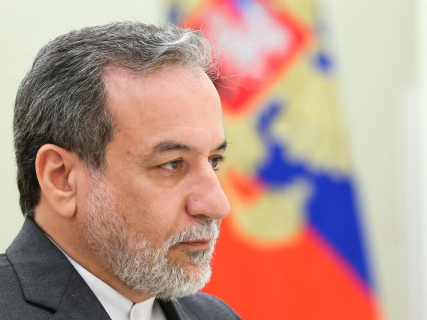

The Iranian Foreign Minister, Abbas Araqchi, considers it possible to reach an understanding with the United States about the future of the enriched uranium that the Islamic Republic still retains, although he has made clear that he will never accept a formula that involves moving that material outside of Iran.
Around 400 kilos of enriched uranium, which are supposed to have survived the bombings launched by the US in 2025 against Iranian nuclear facilities, continue to be one of the main stumbling blocks between Tehran and Washington when it comes to trying to bring an end to the current conflict.
This uranium is enriched to 60 percent and, although it does not reach the level needed to produce a nuclear weapon, it would require relatively little technical effort to get to the 90 percent demanded for military use. The United States and its partner Israel have reiterated that they will do everything possible to prevent Iran from having this type of strategic weaponry and have ignored Tehran’s guarantees that it does not intend to manufacture it.
In this scenario, and in an interview granted to the newspaper 'Iran', Araqchi has shown himself willing "to a formula to solve this problem," without going into details about its content but yes about the red lines. He has stressed that "these materials will not leave the country and, second, these reserves will be used in accordance with our needs, regardless of how we define them," a position that has already been passed on to the international mediators.
The head of Iranian diplomacy added that he has received from these intermediaries —mainly Qatar and Pakistan— different alternatives for addressing the issue of uranium, although none of them fully satisfies him.
"Some of these proposals can be considered, some present more positive points and others have more negative aspects and ambiguity," he said, before reaffirming his hope for "a fair solution on the issue of nuclear materials that is based on our national interests and satisfies the needs of the country."