
The Ministry of Health of Uganda has communicated this Thursday that the country is no longer registering imported cases of Ebola, after the patient who remained under observation tested negative, in the context of the outbreak declared in the Democratic Republic of Congo (DRC).
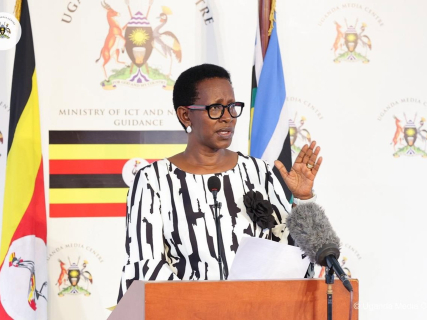
The high-ranking official of the Ministry of Health, Diana Atwine, explained at a press conference that the second person suspected of having Ebola is "stable" after obtaining negative results between May 18 and 20. However, a second person, also considered a suspect of suffering from the disease, has died.
"The patient underwent a test on Monday, May 18, 2026, and the results were negative for Ebola. The second test was performed on Wednesday, May 20, 2026, and was still negative. She is currently under observation for her existing comorbidities," the ministry indicated in a social media message.
Despite the absence of positive cases, the Ugandan Executive has implemented a package of preventive measures, including the temporary suspension of all flights between the DRC and Uganda, the reinforcement of patrols at border crossings, and the temporary suspension of large, crowded cultural celebrations.
The average mortality rate associated with the Ebola virus is around 50%, with symptom onset that is usually sudden and includes fever, fatigue, general malaise, muscle aches, headache, and sore throat. Subsequently, vomiting, diarrhea, abdominal pain, skin rash, and signs of impaired kidney and liver function may appear.
The DRC —which in December 2025 declared the end of its last Ebola outbreak, registered in the Kasai region— is considered the country with the most global experience in managing this disease, after having faced more than a dozen outbreaks since the virus was identified in 1976 in a double outbreak whose epicenter was located in the Congolese town of Yambuku, on the Ebola River, which gave the disease its name.