
The U.S. Department of the Treasury communicated this Tuesday that it has reinforced its sanctions regime against Cuba, introducing new obstacles to the operations of foreign banks and ordering the freezing of accounts belonging to Cuban entrepreneurs. These provisions will begin to be applied from this Wednesday, in compliance with an executive order signed by President Donald Trump.
The Office of Foreign Assets Control (OFAC) has adopted this decision after warning of "greater risks of sanctions associated with transactions with Cuba -both for U.S. and non-U.S. persons-."
The new package of restrictions prohibits individuals "subject to the jurisdiction of the United States" from traveling to attend or organize meetings or "professional conferences" in the Caribbean country, starting this September 30.
In addition, sanctions are contemplated for foreign financial entities that carry out operations with Cuban citizens already designated by Washington, and U.S. banks are prohibited from opening new accounts or maintaining existing ones in the name of Cuban entrepreneurs.
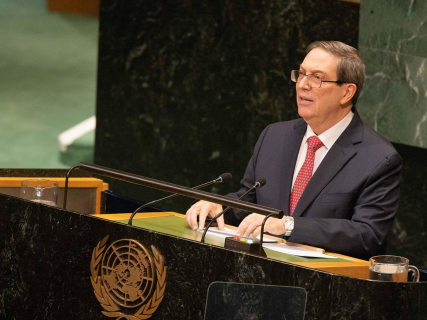
The Cuban Foreign Minister, Bruno Rodríguez, has criticized this "wave of blockade measures" imposed by the Trump Administration, emphasizing that "they eliminate people-to-people exchanges" by suspending academic travel within exchange programs with the island.
Through his social media, he has also questioned the words of Secretary of State Marco Rubio, who "less than 24 hours ago, said that 'Cuba has already fallen', and it turns out that now he needs to apply additional measures."
"With these new blockade measures, the intention is to hinder the ongoing process of economic transformations. Both the public sector and the private sector are openly attacked, the one that some U.S. officials say they want to help develop," the head of Cuban diplomacy has pointed out.