Negotiations between the United States and Iran to reach a ceasefire remain open, with a recent exchange of proposals keeping the dialogue active, although without a finalized agreement. Both sides continue to make moves in a context of high tension and with significant differences still unresolved.
Iran has sent Washington a peace proposal structured in several points, sent through indirect channels with international mediation. The plan focuses on ending hostilities and includes issues such as the withdrawal of U.S. troops, the lifting of sanctions, and the release of Iranian assets.
The United States has already responded to that proposal. According to Tehran, the response has been received and is currently under analysis by the Iranian authorities, with the details of its content not having been made public.
Exchange of proposals without a closed agreement
The negotiation process is developing indirectly, through mediating countries, which reflects the complexity of the dialogue between both parties. This exchange of documents marks a new phase in the talks, although there are still no signs of an imminent agreement.
One of the central elements of the Iranian approach is that the agreement be limited to the end of the military conflict, without including other issues such as the nuclear program. This point constitutes one of the main focal points of friction with the US position.
For its part, Washington maintains that any agreement must also address Iranian nuclear development, which introduces a structural disagreement in the negotiation that conditions its progress.
Trump: advances with reservations
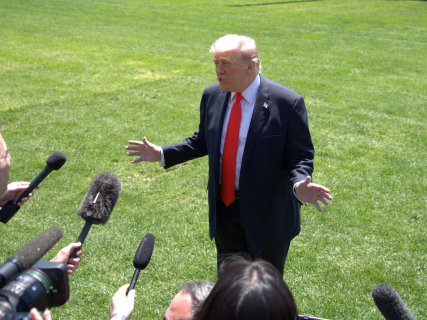
United States President Donald Trump, has indicated that he is reviewing the Iranian proposal and has expressed doubts about its viability, while also calling the talks positive.
This double message reflects an open but cautious negotiation, in which the existence of progress in the dialogue is recognized, although the conditions for a possible agreement are not yet validated.
The differences are not limited to content, but also to deadlines. Irán proposes a shorter timeline for the end of the conflict, while United States had advocated for a longer ceasefire.
The conversations are taking place in a context of high tension in the region, with recent incidents and military movements that highlight the fragility of the situation.
The lack of agreement in previous meetings and the need to resort to international mediators reflect the difficulty of reaching a direct understanding between both parties.
In this scenario, the negotiation process remains open, with active exchanges and partial progress, but with fundamental differences that, for the moment, prevent the closing of a definitive agreement.