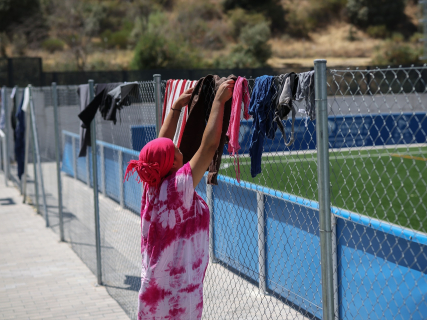

The wildfires affecting Madrid, Ávila, and Toledo have forced the deployment of one of the largest civil protection operations for this type of emergency in Spain. According to the National Security Department (NSD), more than 65,000 people have had to be evacuated preventively and nearly 30,000 others have remained confined, while emergency services continue to work to stabilize the main hotspots.
The scale of the operation has led the Ministry of the Interior to declare a national interest emergency in the most affected areas and to coordinate a broad deployment involving the Military Emergency Unit (UME), Civil Protection, Civil Guard, National Police, firefighters, and the emergency services of the affected autonomous communities. The magnitude of the evacuations and the number of municipalities affected place this episode among the most significant recorded for wildfires in Spain.
More than 65,000 evacuated and dozens of municipalities affected
The figures released by the National Security Department reflect the scale of the emergency. The agency reported that more than 65,000 people had to leave their homes as a preventive measure against the advance of the flames, while nearly 30,000 remained confined for safety reasons. In total, the episode has affected around 95,000 people.
The evacuations extended across dozens of municipalities in Madrid, Ávila, and Toledo, where the rapid advance of the fires forced the activation of staggered evacuations and confinements to protect the population. As hours passed, some neighbors have been able to return to their homes as the situation of certain fronts improved, although other municipalities remain pending the evolution of the fire.
The seriousness of the situation led the Ministry of the Interior to declare the national interest emergency, a measure reserved for situations that require the coordination of state and regional resources. The operation has been directed from the State Committee for Coordination and Direction (CECOD), with the participation of administrations at different levels.
In the firefighting and population protection efforts, members of the Military Emergency Unit, Civil Guard, National Police, firefighters, forest agents, Civil Protection, and regional services participate, in addition to aerial and ground resources mobilized from different points in the country. The objective has been to contain the advance of the flames and ensure the safety of the population in the threatened areas.
The evolution of the fire allows for the easing of some restrictions
The improvement of the situation in some sectors has allowed for the progressive lifting of several evacuation orders. The Minister of the Interior, Fernando Grande-Marlaska, announced this Monday the return to their homes of the residents of nine of the eleven evacuated municipalities in the province of Toledo and indicated that it is being considered to lower the level of emergency if the evolution of the fires continues to be favorable.
Despite this evolution, emergency services maintain vigilance over the active wildfires and continue to permanently assess the situation on the ground. The priority remains to ensure the safety of the population while efforts continue to definitively control the various hotspots and prevent possible reactivations.