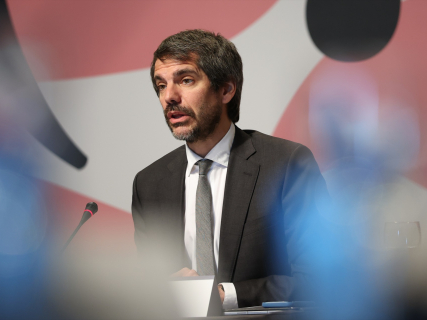

The Youth Cultural Bonus was one of the star initiatives of the Ministry of Culture to bring cultural consumption closer to young people. Now, after several years of operation and thousands of beneficiaries, the Government is preparing a reform to expand it and adapt it to new cultural habits. The modification is included in the Annual Regulatory Plan for 2026 and will be implemented through a new royal decree promoted by Minister Ernest Urtasun.
The main novelty is the incorporation of a new spending category that would allow the bonus to be used for products and activities that were previously excluded. Among these are musical instruments and cultural courses, both in-person and online.
The Executive's idea is to broaden the traditional concept of cultural consumption and also orient it towards creativity and artistic training. The ministry acknowledges that young people's cultural habits have changed profoundly in recent years and that the current regulation had fallen short.
Greater Reach
Until now, the Youth Cultural Bonus was mainly focused on tickets, books, cinema, recorded music, or cultural digital products. With the reform, the aim is to open the door to a more flexible use linked to learning.
The measure also seeks to consolidate the administrative structure of the program. The new decree will strengthen the role of the Secretariat of State for Culture as the body responsible for managing and awarding these grants.
Furthermore, the Government intends to introduce technical improvements to the regulatory bases based on the experience gained since the bonus was launched. Among other aspects, the reimbursement procedure will be reviewed, and changes will be introduced to strengthen legal certainty and clarify some operational points.
The reform comes after several years in which the Cultural Bonus has been met with both criticism and praise. The Executive defends it as a tool to democratize access to culture and support the cultural sector after the pandemic. Its detractors, on the other hand, have questioned both its cost and the type of subsidized products.
In any case, the Government appears determined to maintain the initiative and adapt it to a generation whose cultural consumption now moves between digital platforms, in-person experiences, and online training.