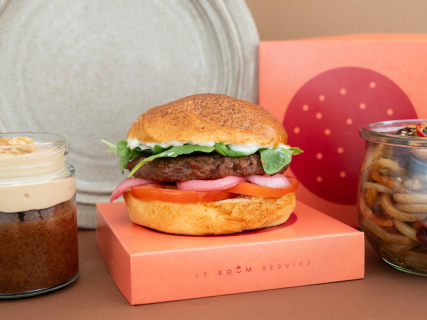










The average expense per order in the in-room dining service of the hotels in Spain and Portugal stands at 34.50 euros, according to an operations study prepared by the Spanish company Le Room Service based on a sample of nearly 100,000 orders and 134,503 meals registered in 2026.
This company, dedicated to outsourcing food and beverage (F&B) services for the accommodation sector and which manages an active portfolio of more than 38,000 rooms distributed across 55 hotel and tourist apartment chains, emphasizes that control of operating costs is closely linked to the time-of-day concentration of demand.
In practice, the night-time period between 19:00 and 23:00 hours accounts for 55.1% of all orders placed, with an activity peak between 21:00 and 22:00 hours, when 16.5% of daily requests are concentrated.
"Keeping the entire menu available also has a cost during hours of low demand. To decide which dishes to offer and until what time, the hotel has to cross-reference the average spending with the orders it receives in each time slot and with what it costs to prepare them and deliver them," explains Ignacio Oroquieta, CEO and cofounder of Le Room Service.
With regard to the breakdown by types of dishes, starters and side dishes account for 25.9% of the units served, followed very closely by hamburgers, with 22%, and by sandwiches and wraps, which account for 15.5%.
If the products are analyzed individually, the classic hamburger leads billing in terms of volume with 13,044 units (9.7%), ahead of chicken fingers (7.7%) and the club sandwich (7.2%), which together add up to 24.6% of the total references served.
The lighter alternatives considered—led by the Caesar salad, chicken breast, and grilled salmon—represent around 28% of the savory dishes demanded through room service.
With regard to sales channels and contracting within the hotel itself, Le Room Service finds a balance of 50% between telephone calls and orders through the web platform across all of its operations in the Iberian Peninsula, a proportion that is also maintained in locations such as Madrid and in the Portuguese market. However, differences by city are observed: in Seville, requests by telephone predominate (60%), while in Barcelona the digital channel concentrates 60% of orders.