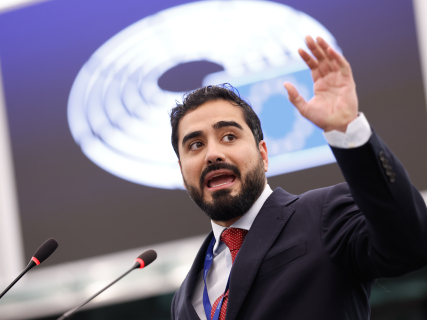

A large majority of MEPs approved this Tuesday to lift the parliamentary immunity that Alvise Pérez enjoyed in the case affecting the alleged harassment against the prosecutor for hate crimes in Valencia, Susana Gisbert, through his Telegram channel. These events occurred prior to the investigated person obtaining his seat as an MEP.
According to the request sent by the Supreme Court to the Eurochamber, what is being investigated is the publication of statements identifying the alleged perpetrators of "ideological persecution called hate crimes", with a specific mention of the delegated prosecutor for hate crimes in Valencia. This fact would have caused a large number of her channel's followers to send more than 1,500 comments to said prosecutor; according to the judicial body, most of them with an insulting character.
These behaviors may constitute several crimes for the High Court, according to the Spanish Penal Code, including harassment, incitement to commit aggression against an authority or public official, as well as coercion and dissemination of hatred through social networks. Parliament pays special attention to the fact that these crimes were allegedly committed between January and February 2024, while Alvise was not elected as a deputy until June of that same year.
No link with parliamentary activity
In this way, the facts that are now being investigated in Spain would not be related in any case to his parliamentary activity. “It is not a matter of opinions expressed or votes cast in the exercise of their duties as a deputy,” they point out in Strasbourg. After the processing of the request for the waiver of immunity in the Committee on Legal Affairs, the person responsible for these matters, Parliament also concludes that there is no indication that the judicial procedure has been initiated with the intention of harming the political activity of the Spanish leader in his capacity as a parliamentarian.
Parliamentary sources consulted by Demócrata explain that parliamentary immunity is not a personal privilege, but a guarantee of the Chamber's independence. In this case, as there is no link between the facts and their parliamentary obligations, maintaining said protection would not be appropriate, these same sources rule.
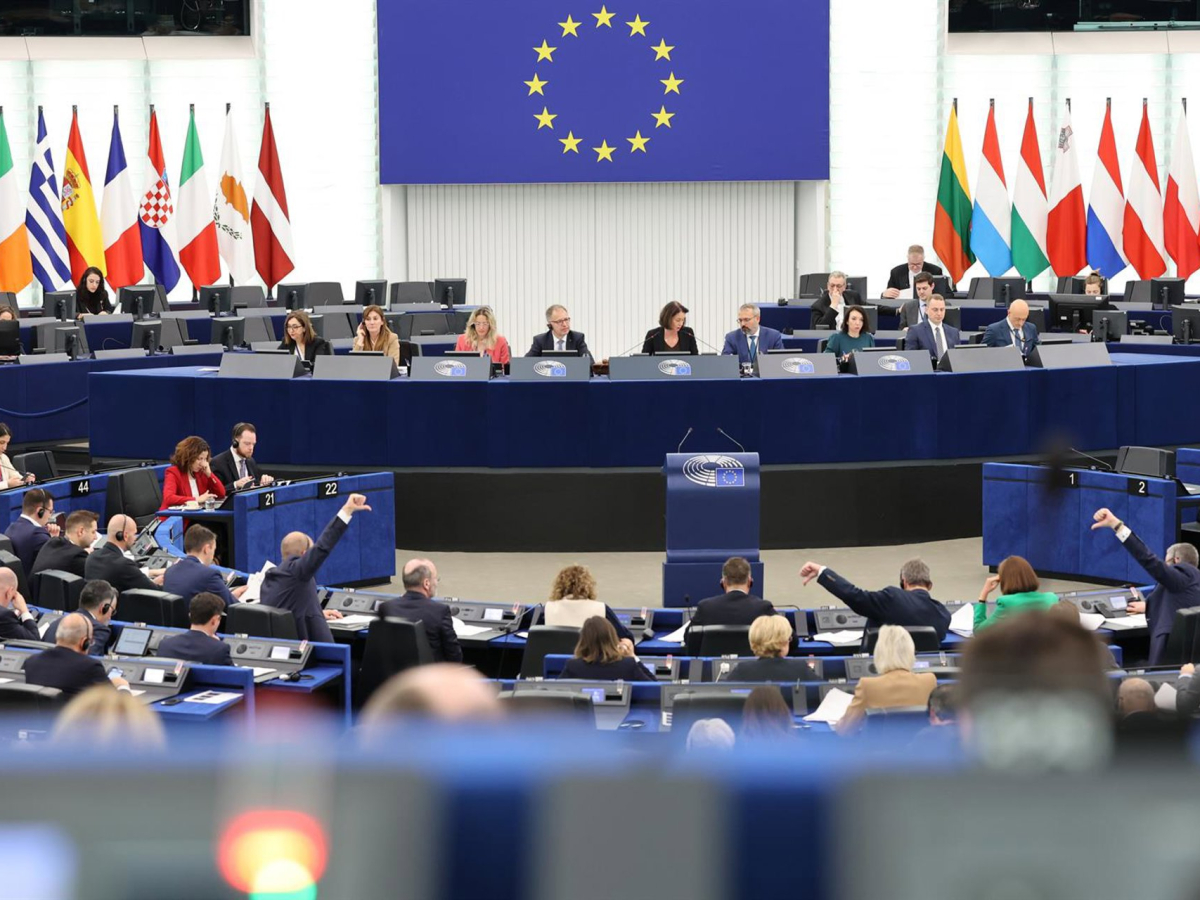
The leader of Se Acabó la Fiesta has undergone interrogations in recent months by the MEPs responsible for processing the High Court's request to withdraw parliamentary protection. In these sessions, the investigated individual has fifteen minutes for presentation, followed by a confrontation with the parliamentarians without a time limit. Sources from the Committee on Legal Affairs explain that it is when the MEP withdraws from the room that the rapporteurs of the legal text of the request debate what was discussed in the hearing. After these processes, the text now approved by the Plenary of the European Parliament is drafted.
Other open cases in the Supreme Court
Alongside the case for alleged online harassment of Susana Gisbert, the Supreme Court keeps open four cases against ‘Alvise’. Among them is an investigation for alleged electoral offenses and illegal financing of his party, for which a request has also been sent to the European Parliament.
In this procedure, the High Court analyzes the 100,000 euros that ‘Alvise’ allegedly received from the businessman Álvaro Romillo, known as ‘CryptoSpain’, for the 2024 European elections.
The MEP also faces another case for the dissemination of a fake PCR from the former Minister of Health and current president of the Catalan Generalitat, Salvador Illa. Added to this is a more recent procedure for the alleged harassment of two MEPs who ran with SALF in said European elections and who later broke with the party.
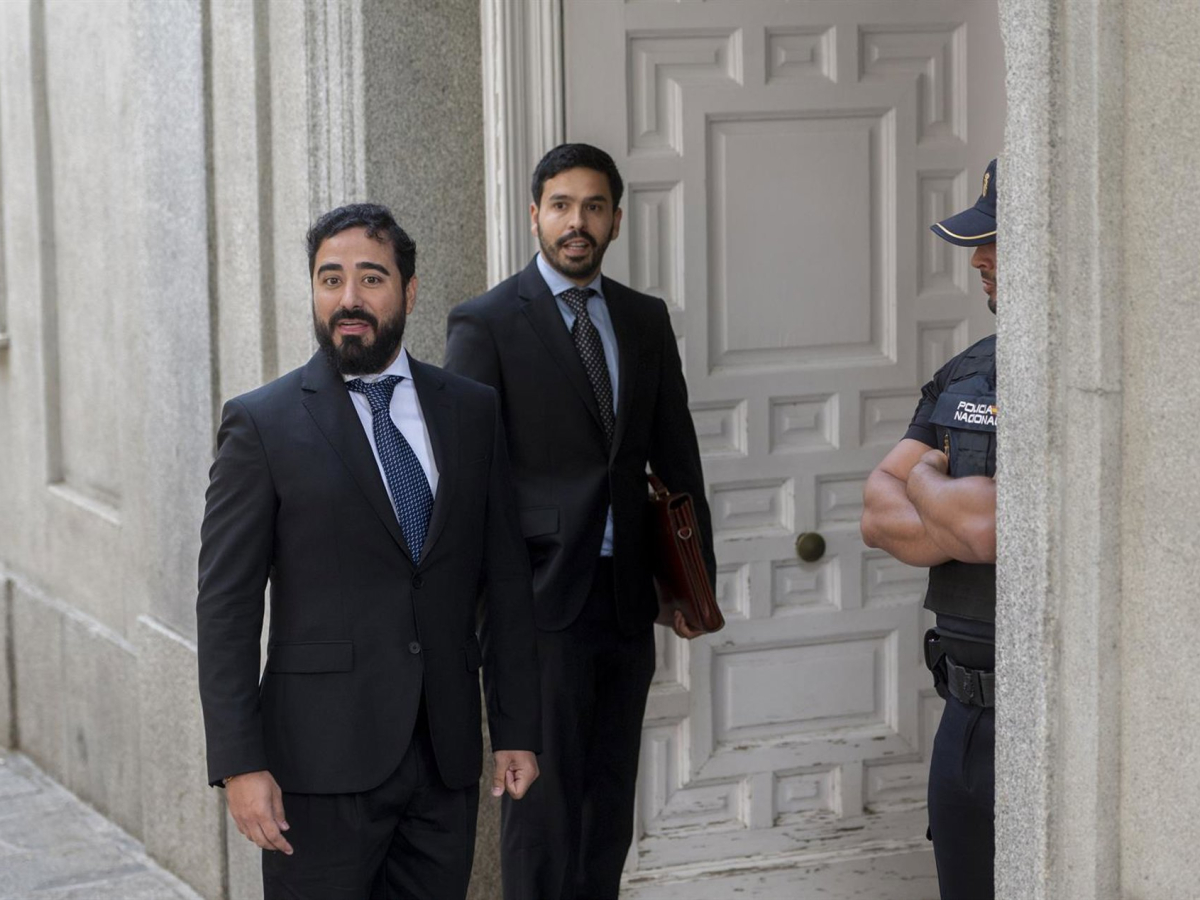
Following this latest case, the Supreme Court already questioned the founder of Se Acabó la Fiesta (SALF) in January, after Judge Manuel Marchena summoned him, stating his willingness to appear voluntarily. In this case, MEPs Diego Solier and Nora Junco, who currently belong to the European Conservatives and Reformists (ECR) group, led by Italian Prime Minister Giorgia Meloni, reported that they were not only suffering a “continuous campaign of harassment” on social media as a result of the messages that ‘Alvise’ disseminated about them — in a ‘podcast’ and on his Telegram channel — but they even came to “fear for their physical integrity” after the place where they were or were going was revealed.
Both maintain that, similarly to the case affecting Gisbert, after the dissemination of their email addresses, phone numbers, and social media profiles, they began to receive an "enormous" amount of offensive and/or threatening messages, which generated "a continuous sense of insecurity" to the point of being forced to modify "their habits or routines". This would have caused significant damage when carrying out their parliamentary work and their ordinary family life. The Supreme Court appreciated "a voluntary and conscious intention to significantly compromise the normal development of the daily lives of their victims, based on the persecution that the numerous people who felt concerned by their public appeal could deploy".