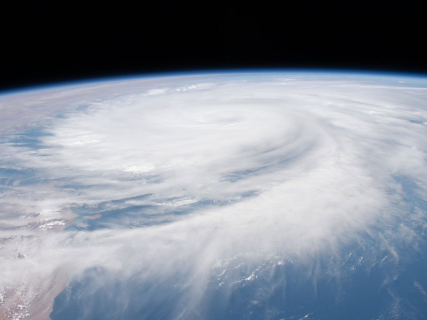

The European Commission has announced this Friday the approval of humanitarian aid of 13.5 million euros aimed at strengthening the preparedness of the most exposed communities of East and Southern Africa in the face of the effects of the El Niño climatic phenomenon, expected for 2026 and 2027. The models indicate that it could become the “most intense ever recorded” and trigger “serious weather disruptions” in various areas of the continent.
According to the statement issued by the Community Executive, this funding will serve to cover prevention actions and early response mechanisms to extreme weather events linked to El Niño. The purpose is to minimize the impact on the population, safeguard livelihoods, and ensure access to food and essential services before emergencies are triggered.
“We cannot stop El Niño from arriving, but we can limit its devastating impact on people’s lives. We know the warning signs: crops that wither, water sources that dry up, and families pushed to the limit,” the European Commissioner for Preparedness and Crisis Management, Hadja Lahbib, said in a statement.
The Community official emphasized the importance of anticipating the consequences of this phenomenon. “When we can see that a crisis is coming, we have the responsibility to act before it hits,” she stressed, highlighting that the European Union is mobilizing resources so that communities can protect their homes, jobs, and food reserves, since “acting in advance saves lives.”
SOMALIA, KENYA AND UGANDA, MAIN RECIPIENTS
Within the package announced, Somalia will be the main recipient, with six million euros to equip evacuation areas, provide emergency financial assistance, and strengthen health and nutrition services. Kenya will have one million euros to strengthen disaster preparedness in the most exposed areas, through cash transfers, support for accommodation, and healthcare.
Uganda will also receive one million euros to expand the response to food insecurity that the country already suffers. The remaining 5.5 million euros will be used for preventive actions and early response measures in Southern Africa and in the Indian Ocean region, with the goal of reducing the effects of the weather phenomenon to the maximum extent possible.
The announcement comes just a few days before the start of the United Nations Conference on Climate Change (COP31), which will be held next week and in which improving preparedness and resilience in the face of the impacts of climate change will be among the central items on the agenda.