
Russian authorities have launched an attack against Estonia’s decision to close the still-operational land border crossings between the two countries, a measure that will begin to be applied on December 1, will last for six months and, according to Moscow, will entail significant political and economic repercussions.
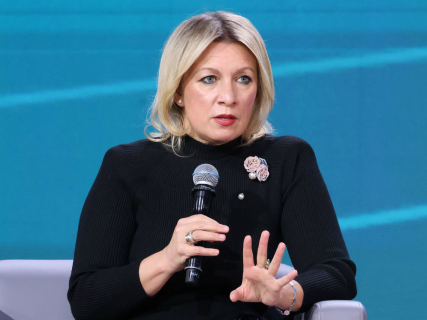
The spokeswoman for Russia’s Ministry of Foreign Affairs, María Zajarova, has described Tallinn’s decision as “openly confrontational” and has assured that it is part of a calculated strategy to erode bilateral relations and raise tension in the Baltic region.
Zajarova has stated that this unilateral closure will directly affect numerous Russian citizens and will bring about “very harmful consequences” for the economy and public services, especially in the border areas of both States. At the same time, she criticized that the Estonian Government has made this determination “in a precipitate manner” and without any kind of prior consultation with Moscow.
“We have no doubt that attempts to set up a ‘sanitary cordon’ around Russia and isolate it will cost its architects dearly,” the Foreign Affairs spokeswoman added, underscoring that Moscow reserves the right to apply “all political and diplomatic measures necessary to safeguard its national interests.”
For its part, Estonia’s authorities have defended the closure by citing the continued hostile actions attributed to Russia, such as alleged acts of sabotage and hybrid operations. The announcement comes after a purported failed attempt to carry out arson against a national defense industry facility, an attack that Tallinn attributes to Russian intelligence services.
As a reaction to this decision, the Russian Ministry of Foreign Affairs has summoned Estonia’s chargé d’affaires in order to formally convey its rejection of what it considers openly hostile actions against the Russian Federation.