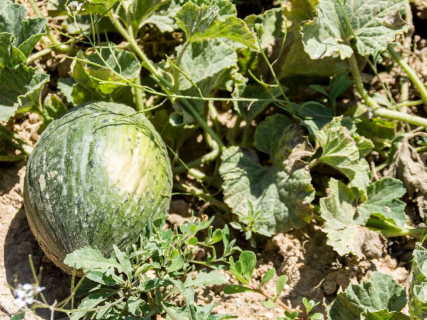

The protection of crops against pests and diseases, the sustainability of agricultural holdings, and the adoption of new tools to maintain the sector's competitiveness were the central themes of the conference "New Sustainable and Effective Melon Production Techniques," held this week at Cifea in Torre Pacheco. This event brought together technicians, researchers, and agricultural professionals to discuss the most relevant challenges facing this crop, considered strategic for the Region of Murcia.
At the opening of the meeting, the Director General of Agriculture and Common Agricultural Policy, Francisco González Zapater, emphasized that European plant health policies "must reconcile environmental protection with the viability of agricultural holdings."
González Zapater stressed that "farmers are facing an increasingly complex scenario" due to the continuous reduction of authorized active ingredients for crop defense, while production demands increase and new pests and diseases emerge. According to his exposition, this decrease in phytosanitary tools available to technicians and producers "is a situation that affects the productivity of holdings and makes it difficult to maintain the high quality standards required by the market," he insisted.
The European Union is orienting its strategy towards the priority use of low-risk products and biocontrol tools. However, as the Director General warned, "the incorporation of new solutions is not advancing at the same pace as the withdrawal of active substances, which creates an imbalance that concerns the sector."
Given this context, he defended the convenience of maintaining an integral phytosanitary defense strategy that combines biological control with other available tools, the use of resistant varieties, the application of adequate cultural practices, and, when essential, effective phytosanitary solutions, always under specialized technical advice.
The Region of Murcia has consolidated itself as an international benchmark in integrated production and biological control, especially in areas such as Campo de Cartagena, where these systems have been applied for years with good results in crops such as greenhouse peppers, citrus fruits, and melons.
For this reason, González Zapater reaffirmed the regional government's support for farmers, "who will continue to convey to the Government of Spain and European institutions the need for decisions on plant health to be based on scientific criteria and guarantee that European producers can compete on equal terms with imports from third countries".
In his final address, the Director General of Agriculture stressed that "Environmental and economic sustainability must go hand in hand if we are to guarantee the future of a strategic crop like melon and maintain the agricultural leadership of the Region of Murcia".