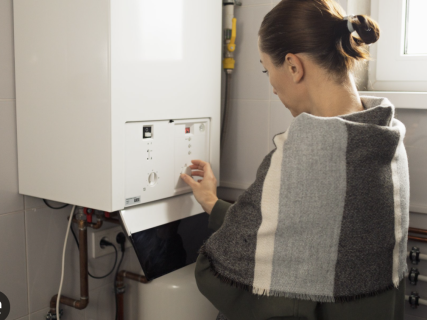

The arrival of the cold during this month of November once again puts the spotlight on the price of electricity and the energy spending of Spanish households. With temperatures dropping and heating running for more hours, many families begin to wonder how much it really costs to use the most common appliances and what impact consumption will have on the bill at the end of the month. Running the washing machine, turning on an electric radiator, or keeping a home warm may seem like everyday spending without much importance, but the sum of these consumptions can translate into a considerable outlay.
During the first fifteen days of November 2026, the average electricity price on the regulated PVPC tariff has been around 0.212 euros per kilowatt-hour (kWh), before taxes, although there are significant differences depending on the day and the time slot. This Sunday, 15 November, for example, the average price stands at 0.1547 euros/kWh, with a minimum of 0.0544 euros between 13:00 and 14:00 hours and a maximum of 0.2410 euros between 19:00 and 20:00 hours.
How much does it cost to run a washing machine in November 2026
The cost of using the washing machine depends fundamentally on the appliance’s energy efficiency, the water temperature, the selected program, and the electricity price. An efficient wash cycle can consume between 0.5 and 0.8 kWh, while programs with higher temperatures can exceed 1.5 kWh.
Using as a reference the average electricity price recorded during the first half of November, an efficient wash can cost approximately between 11 and 17 cents in electricity, while a higher-consumption cycle can raise the expense to 30 or 40 cents. These amounts correspond only to electricity consumption before taxes, without including water, detergent, or other associated costs.
In a home where four washes are carried out per week, the electrical spending of the washing machine can be around two to six euros per month, depending on the programs used. Although it is a relatively small amount compared with other household consumptions, choosing the temperature correctly and taking advantage of hours with lower prices can make a difference over the course of the year.
How much does it cost to have the heating turned on for several hours
Heating represents one of the main energy expenses during the cold months, especially in those homes that use electric radiators, heaters, or high-consumption air-conditioning systems. In these cases, the cost depends directly on the power of the device and the time it remains running.
For example, an electric radiator of 1,500 watts running at full power for four hours consumes six kWh of electricity. With a reference price of 0,212 euros/kWh, the expense would be approximately 1,27 euros per day, which would amount to about 38 euros per month before taxes if it were used every day during the same period.
Spending increases when more powerful devices are used. A 2,000-watt heater running for five hours a day can consume ten kWh per day, which would translate into a monthly cost close to 64 euros on electricity before taxes, without counting the rest of the home’s consumption. However, these estimates assume continuous operation at maximum power, so actual spending may be lower when the thermostat interrupts consumption upon reaching the selected temperature.
Heat pump systems can significantly reduce the electricity needed to heat a room, since they take advantage of ambient heat and allow more thermal energy to be generated than the electricity consumed.
How much does natural gas heating cost this November
In households that use natural gas boilers, the expense is calculated differently and is conditioned by fuel consumption, the efficiency of the installation, and the contracted tariff. Since last October 1, the new last-resort tariff (TUR) has been in effect, whose prices are applied during the last quarter of 2026.
For households covered by the TUR.2, intended for consumers with annual spending higher than 5.000 kWh and up to 15.000 kWh, the variable term is approximately 0,0504 euros per kWh, to which a fixed monthly fee of 8,17 euros is added, before taxes.
Thus, a home that consumes 30 kWh per day of gas during November would accumulate around 900 kWh by the end of the month. With the TUR.2 prices, this would mean around 45 euros for consumption and about 54 euros when including the fixed term, before taxes and other items on the bill. This is a guidance example, since actual needs vary considerably depending on the size of the home, insulation, the climate, and the indoor temperature.
Furthermore, the VAT on electricity and natural gas remains at 21% during November, as the conditions that would have allowed the government’s planned tax cut to be activated have not been met.
How to save on your electricity and heating bill
Given the increase in energy consumption during autumn and winter, experts recommend paying special attention to everyday habits and the efficiency of appliances. In the case of the washing machine, using low-temperature programs, making use of the load capacity without exceeding it, and avoiding unnecessary cycles helps reduce electricity and water consumption.
It is also important to know the type of electricity tariff you have contracted. Consumers who are under the PVPC can find significant differences between hours, while those with fixed-price contracts or time-of-use discrimination contracts must check the specific conditions of their supply. Therefore, it is not always cheaper to run the washing machine at night, since the savings depend on the contract and the prices of each day.
As for heating, the Institute for Diversification and Energy Saving (IDAE) recommends maintaining a comfort temperature of between 20 and 21 degrees during the hours the home is occupied. According to its recommendations, each additional degree can increase energy consumption allocated to heating by around 7%, which makes adjusting the thermostat one of the most effective measures to keep costs under control.
Improving the insulation of doors and windows, lowering the blinds during the night, and adjusting heating schedules to the presence of people at home can also help reduce consumption. With much of winter still ahead, controlling the use of heating will be especially important to avoid surprises on upcoming energy bills.