
The heat waves increase the use of fans and air conditioning units, but they also force the search for ways to reduce electricity consumption without turning the home into an unsafe space.
The key is to follow an order. First, limit the entry of solar radiation. Then, ventilate only when the outside air can cool the house. Finally, use the electric cooling systems at a reasonable temperature and only in the necessary rooms.
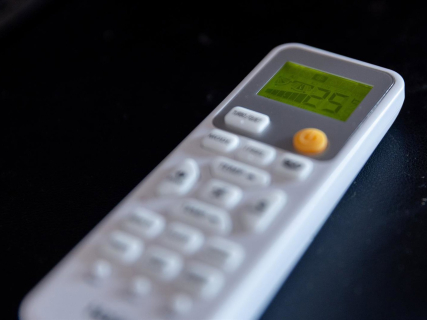
The Institute for the Diversification and Saving of Energy (IDAE) recommends keeping the air conditioning at 26 degrees or higher, wearing appropriate clothing, opening windows during the cooler hours, and lowering awnings and blinds to prevent the home from heating up.
Preventing heat from entering saves more than expelling it later
The first measure should be applied before turning on any device. Blinds, shutters, exterior curtains, and awnings should be closed on the facades that receive direct sunlight, especially during the central hours and the afternoon.
Shade elements placed outside are more effective than an interior curtain because they stop radiation before it passes through the glass. According to IDAE guidelines, installing awnings on the most exposed windows can allow savings of over 30% in air conditioning use, although the result depends on orientation, insulation, and the characteristics of each home.
It is also advisable to close the doors of unused rooms. Air conditioning the entire house when only one or two rooms are occupied forces the unit to work longer and increases consumption.
Windows should remain closed while the outside temperature is higher than the inside. Opening them at noon does not cool: it introduces hot air and then forces the air conditioning to recover the lost temperature.
Air conditioning at 26 degrees and no shortcuts
IDAE places at 26 degrees or higher a sufficient temperature to maintain domestic comfort during the summer with light clothing. This is not a legal obligation for homes, but a recommendation for energy efficiency.
Setting the device to 18 or 19 degrees upon arriving home does not make the room cool faster. The unit works at its capacity until it reaches the set temperature; excessively lowering the thermostat only prolongs operation and may end up cooling more than necessary.
An effective formula consists of combining air conditioning with a fan. The movement of air can generate a thermal sensation between three and five degrees lower with reduced electrical consumption, allowing the thermostat to be maintained in a more moderate position.
When the air conditioning is on, doors and windows must be closed. It should also be turned off in empty rooms and avoid having the cold airflow directly on people for prolonged periods.
Fan or air conditioning?
The fan is the first option when the indoor temperature allows for comfort through air movement. It consumes much less than a cooling system and can be sufficient during part of the day or in episodes of moderate heat.
However, a fan does not reduce the room temperature. It refreshes people by promoting the evaporation of sweat. If there is no one in the room, leaving it on does not cool the space and represents unnecessary expenditure.
Air conditioning becomes necessary when the temperature and humidity remain high and natural ventilation is not effective. In that case, it should be used steadily, avoiding abrupt changes in the thermostat and concentrating its action in occupied rooms.
Cleaning the filters prevents unnecessary consumption
A unit with dirty filters moves air worse and may lose cooling capacity. The IDAE recommends periodically cleaning the filters and checking the device if it starts to provide less cold, as there could be a malfunction or a refrigerant leak. Maintenance improves efficiency and prolongs the lifespan of the equipment.
The outdoor unit also needs space to expel heat. It should not be enclosed, covered, or surrounded by objects that hinder air circulation.
When renewing the device, it is advisable to check the energy label and choose an appropriate power for the size, orientation, and insulation of the room. An oversized unit does not guarantee lower consumption, while an insufficient one may run continuously without reaching the desired comfort level.
Avoid the oven and other appliances that heat the house
During a heat wave, part of the air conditioning consumption comes from the heat generated inside the house itself. The oven, the ceramic hob, the dryer, the iron, high-power computers, and some lighting systems raise the indoor temperature.
Cooking early, using lids, preparing foods that require less cooking time, and avoiding the oven during the afternoon reduces both direct consumption and the subsequent effort of air conditioning.
The washing machine and the dishwasher should be used with a full load and low-temperature programs or eco mode. Whenever possible, it is preferable to dry clothes in the air instead of turning on the dryer.
Check the rate before changing consumption
Moving the washing machine or dishwasher to another time only reduces the cost if the electricity contract applies different prices according to the time slot. Consumers in the free market may have a fixed price throughout the day or conditions designed by their marketer, so they should check the bill before changing their habits.
In tariffs with the usual regulated periods, off-peak hours are concentrated between 0:00 and 8:00 from Monday to Friday, as well as on weekends and national holidays. The CNMC also recommends avoiding having several high-power appliances running at the same time.
However, the greatest savings during a heat wave usually do not come from turning on the air conditioning at another time, but from reducing the total hours of operation and the amount of heat that enters the house.
Saving should never put health at risk
Saving recommendations should be adapted to age, health status, and housing conditions. Older adults, minors, those suffering from chronic illnesses, and people with less autonomy present a special vulnerability to extreme heat.
The Ministry of Health warns that excessive temperatures can cause dehydration, cramps, heat exhaustion, and heat strokes. In the presence of alarming symptoms or a house that cannot cool down, the priority should be to reduce exposure, go to an air-conditioned space, or seek assistance, not to keep the air conditioning off to save.