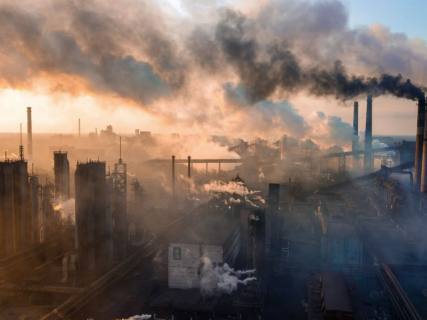

Artificial intelligence (AI) has the potential to help cut between 5% and 10% of global greenhouse gas emissions by 2030, according to calculations from Boston Consulting Group (BCG) and Google included in a new monograph from BBVA. The report analyzes how this technology can contribute to addressing the triple environmental crisis described by the UN Environment Programme: climate change, biodiversity loss, and pollution.
BBVA's work reviews both the capacity of AI to anticipate environmental risks and support more informed decisions, as well as the challenges posed by its deployment. Among them, it emphasizes the urgency of increasing the energy efficiency of the data centers that support these systems, in order to contain their own ecological footprint.
Among the practical cases collected, the transformation of transportation stands out, currently responsible for approximately one-fifth of global carbon dioxide (CO2) emissions. In this area, the "Green Light" project from Google is mentioned, which uses AI to coordinate traffic lights in 20 cities and has managed to "reduce stops at intersections by up to 30% and emissions by 10%."
In the energy sector, the monograph focuses on a pilot project from the Digital Intelligence Center of Alicante (Cenid), which adjusts public lighting in several municipalities based on traffic and weather conditions. According to its estimates, this intelligent management could cut energy costs by between 20% and 25%.
In the field of agriculture, the document highlights the initiative of the Argentine company Kilimo in a sector that concentrates 70% of the planet's freshwater withdrawals. Thanks to AI models applied to irrigation optimization, the company has managed to avoid the consumption of more than 8 million cubic meters of water in seven countries, a volume comparable to the annual supply for 438,000 people.
Likewise, the technology company Winnow has incorporated artificial vision in kitchens and restaurants in 94 countries to combat food waste. Its intelligent systems detect which products and in what quantities are thrown away, which has allowed saving around 70 million meals a year, preventing the emission of 122,000 tons of CO2 equivalent and generating savings close to 100 million dollars.
The report also reserves a section for the social dimension of sustainability. Among the examples is the use of generative AI at Quirón Salud to automatically transcribe medical consultations, as well as the smart magnifier LUP, developed by Spanish students, which transforms text into voice to facilitate reading for people with dyslexia or visual impairment.